Wire Cable Stop Clamp – High-Tensile, Quick Install
Field Notes on the Modern Wire Cable Stop Clamp (aka Tension/Strain/Dead-End Clamp)
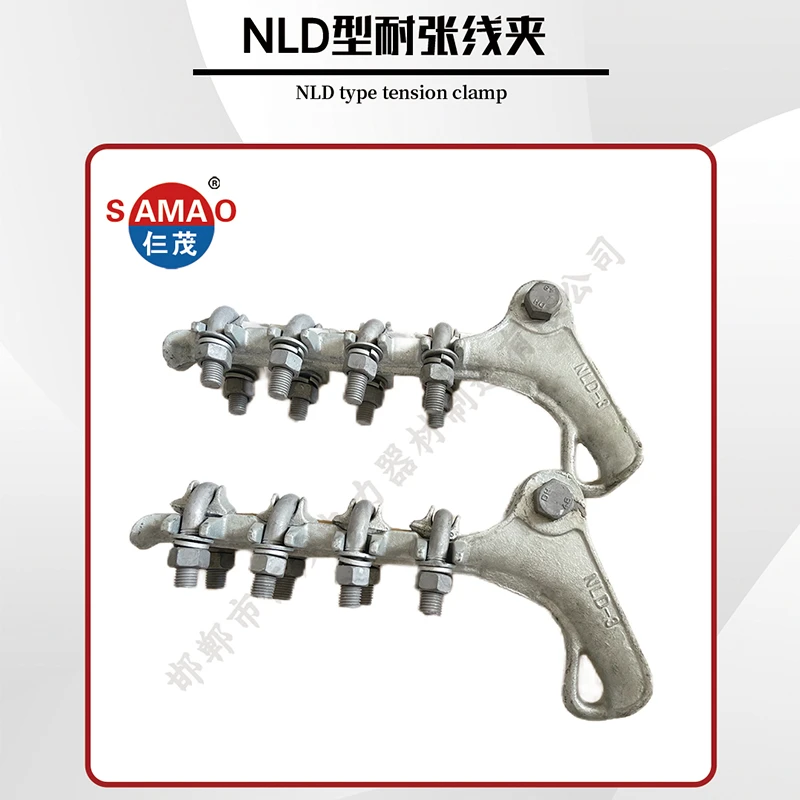
If you work around overhead lines, you know the unsung hero holding everything together is the clamp at the end of the span. In my notebook it’s still the “dead-end,” but most customers call it a Wire Cable Stop Clamp. Same job: grip the conductor, carry the line tension, and hang the run onto the string or tower hardware—reliably, for decades. The product here is sold as Tension Clamp, Strain Clamp, or Dead-End Clamp, produced out of Standard Parts Entrepreneurship Park, Dongmingyang Village, Linmingguan Town, Yongnian District, Handan City, Hebei Province. Busy little hub, frankly.
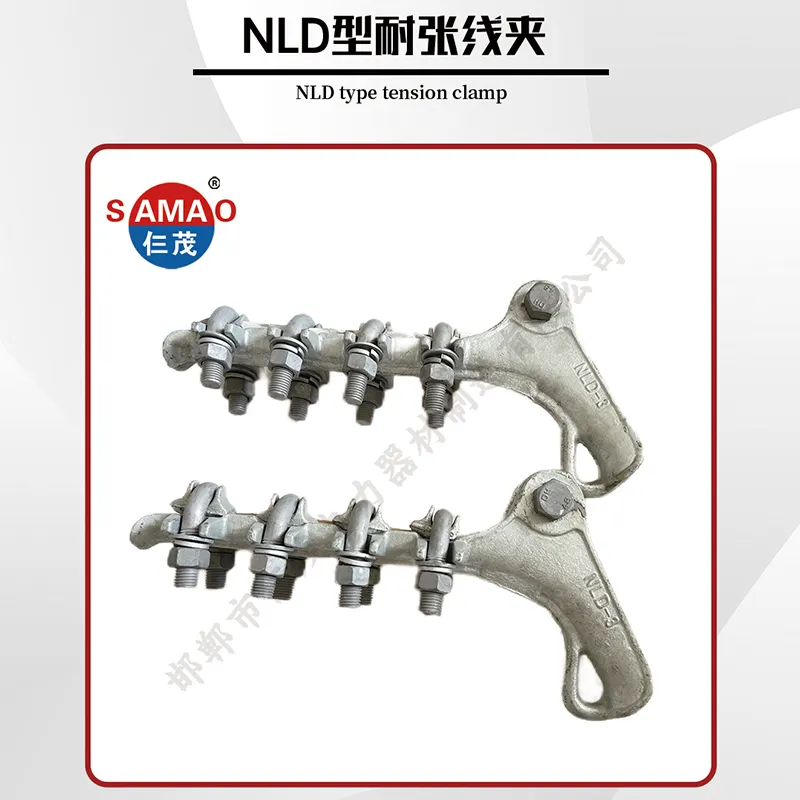
Why it matters now
Utilities are hardening grids for wind, fire, and salt-laden coastlines. At the same time, they’re stringing OPGW and ADSS for smarter networks. The Wire Cable Stop Clamp sits at the intersection—load-bearing, corrosion-fighting, and frankly, installation-friendly or not. Many procurement teams tell me lead time and documented test data now trump brand stickers.
Typical specifications (representative)
| Body Material | Aluminum alloy (A356-T6 or ≈EN AC-42100); malleable/ductile iron for hardware |
| Conductor Range | ≈ 16–400 mm² (custom up to 800 mm²); OPGW/ADSS variants available |
| Rated Tensile Strength | ≥ 70–95% of conductor RTS (per IEC 61284 tests; real-world use may vary) |
| Slip Load | ≥ 90% of rated value without permanent damage |
| Corrosion Protection | Hot-dip galvanizing per ISO 1461/ASTM A153; optional anodized components |
| Temperature Range | −40 to +80°C (typ.); high-temp conductor kits on request |
| Expected Service Life | ≈ 25–40 years with periodic inspections |
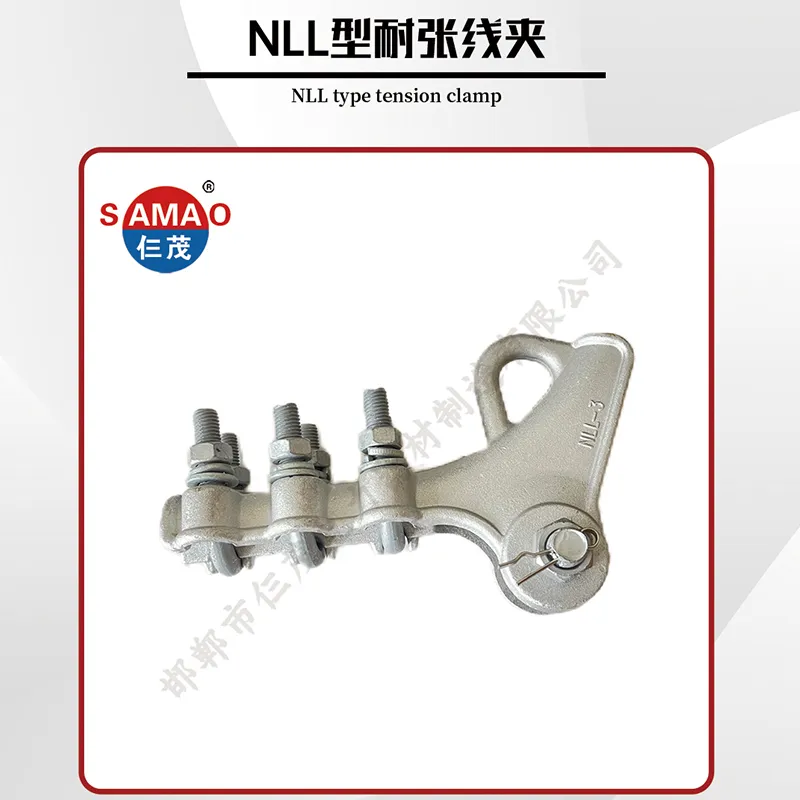
How it’s made (short version)
Materials: high-strength aluminum alloy body; galvanized steel U-bolts, clevis/eye; polymer or serrated aluminum liners depending on conductor type. Methods: precision casting/forging, CNC finishing, shot blasting, and hot-dip galvanizing (70–100 μm zinc). Testing: mechanical slip and tensile per IEC 61284; torque checks; galvanizing thickness per ISO 1461; salt spray per ISO 9227 (often 480–720 h); electrical continuity per ANSI C119.4 where applicable. I like to see batch traceability and MTRs attached—still not universal, but getting better.
Applications and advantages
- Overhead distribution (11–33 kV) and transmission (110–500 kV) terminations
- OPGW/ADSS dead-ends on tangent and angle towers
- Corrosion-prone corridors: coastal, chemical belts, desert
- Advantages: stable grip, fewer re-tension visits, fast tool setup; many customers say installation is surprisingly forgiving of minor span mismatches.
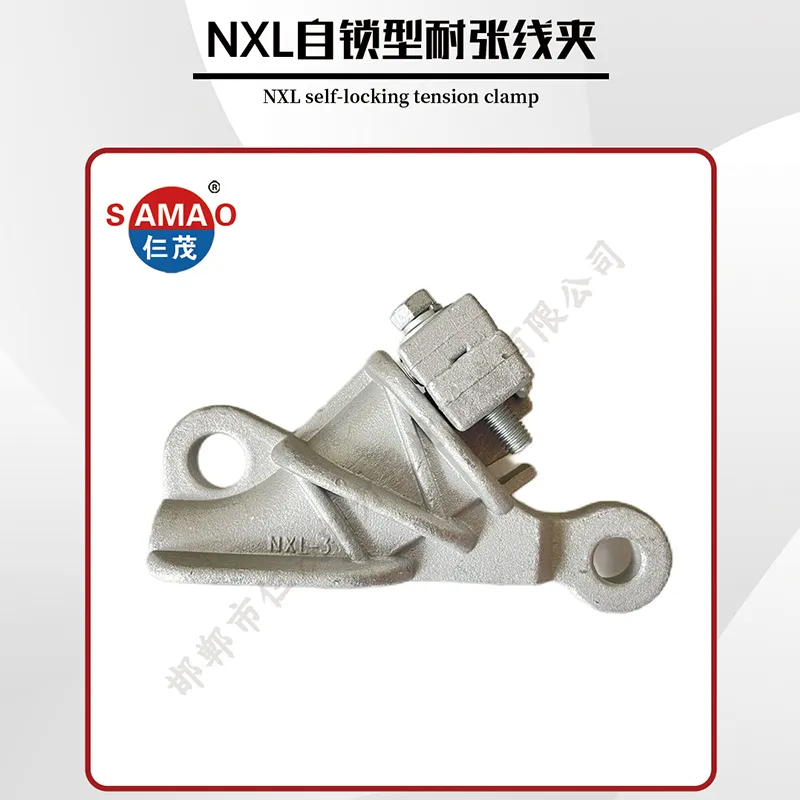
Vendor snapshot (quick compare)
| Vendor | Core Material | Certs | Lead Time | Notes |
|---|---|---|---|---|
| Samao Electric Power (Handan) | Al alloy body + galvanized steel hardware | ISO 9001/14001/45001 (reported) | ≈ 2–4 weeks | Good custom ranges; competitive for OPGW |
| Vendor A (regional) | Ductile iron body | ISO 9001 | 3–6 weeks | Rugged, heavier; cost-effective |
| Vendor B (global) | High-Si Al alloy | ISO + IEC type tests | 4–8 weeks | Premium finish; pricier |
Customization
Options include conductor-specific liners (ACSR/AAAC/OPGW), armor rods for ADSS, extended clevis eyes, tropicalized galvanizing, and torque-shear bolts. For a Wire Cable Stop Clamp going on a windy ridge, I’d ask for verified slip data at low temperature and a 720 h salt-spray report—small paperwork, big peace of mind.
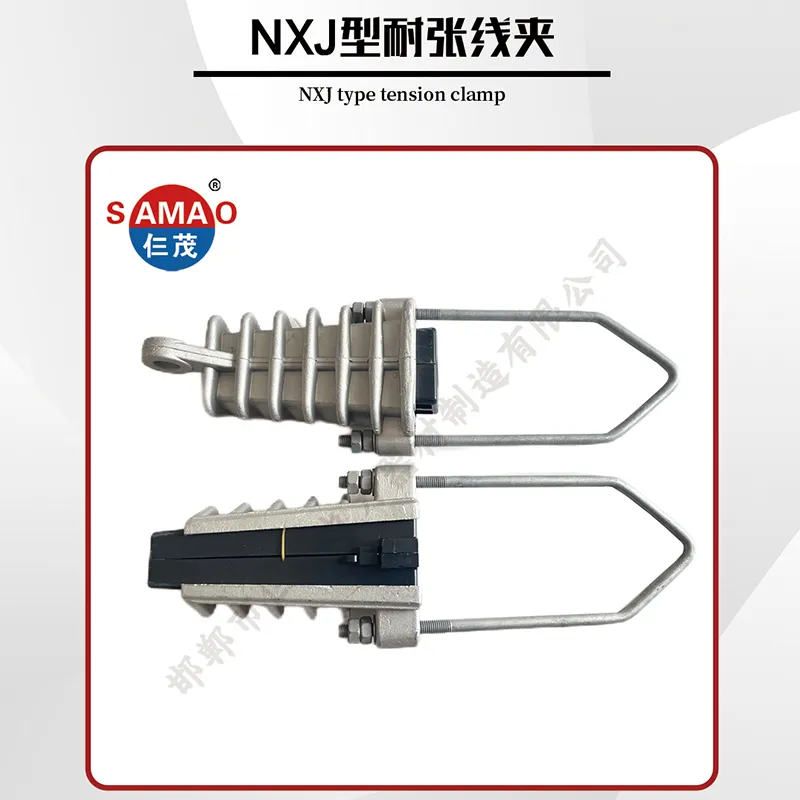
Case study (coastal 110 kV)
A coastal utility swapped legacy dead-ends with Samao’s aluminum-alloy Wire Cable Stop Clamp on a 110 kV line. Factory tests showed slip ≥ 95% RTS; ISO 9227 salt-spray to 720 h. Field crews reported ≈18% faster installs (torque-shear hardware helped), and six-month patrols found no red rust on the zinc. Not dramatic, but that’s the point—quiet reliability.
Documentation to request
- Type-test report per IEC 61284 and routine-test protocol
- Galvanizing thickness records (ISO 1461/ASTM A153)
- Salt spray results (ISO 9227) and torque charts
- Quality system certs (ISO 9001) and material traceability
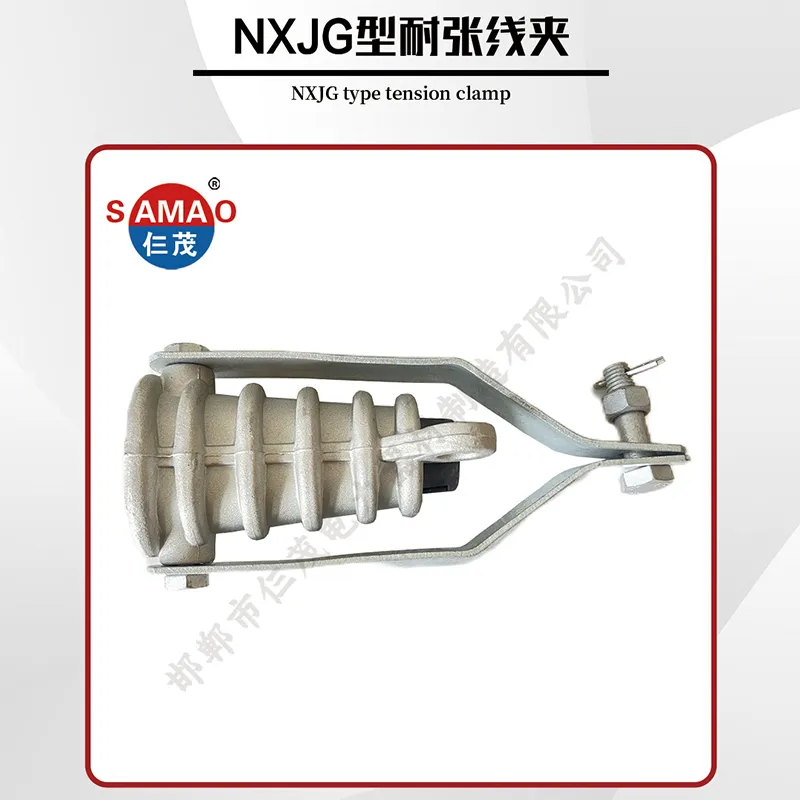
Bottom line: pick the Wire Cable Stop Clamp that matches your conductor, corrosion class, and installation method—and don’t be shy about asking for the test data. It’s your span on the line.
Authoritative citations
- IEC 61284: Overhead lines – Requirements and tests for fittings.
- ISO 1461 / ASTM A153: Hot-dip galvanized coatings on iron and steel articles.
- ISO 9227: Corrosion tests in artificial atmospheres – Salt spray tests.
- ANSI C119.4: Electric connectors – Sealed and unsealed connectors (applicable tests).
- IEEE Std 524: Guide to the Installation of Overhead Transmission Line Conductors.
-
Laundry Efficiency Guide with pengapit ampaian dengan cangkuk iNewsApr.16,2026
-
Optimizing Power Infrastructure with the pengapit ampaian tnbNewsApr.09,2026
-
Comprehensive Guide to Selecting the Right pengapit penggantungan untuk kabel lt ab SolutionsNewsApr.07,2026
-
Comprehensive Guide to Pengapit Talian Penghantaran for Secure Package DeliveryNewsApr.04,2026
-
Comprehensive Guide to Pemasangan Pengapit Penggantungan for Overhead Cabling SystemsNewsMar.31,2026
-
Comprehensive Guide to Pengapit Ampaian yang Telah Dibentuk for Construction SafetyNewsMar.28,2026
-
Comprehensive Guide to Pengapit Ampaian Besi for Scaffolding SafetyNewsMar.26,2026