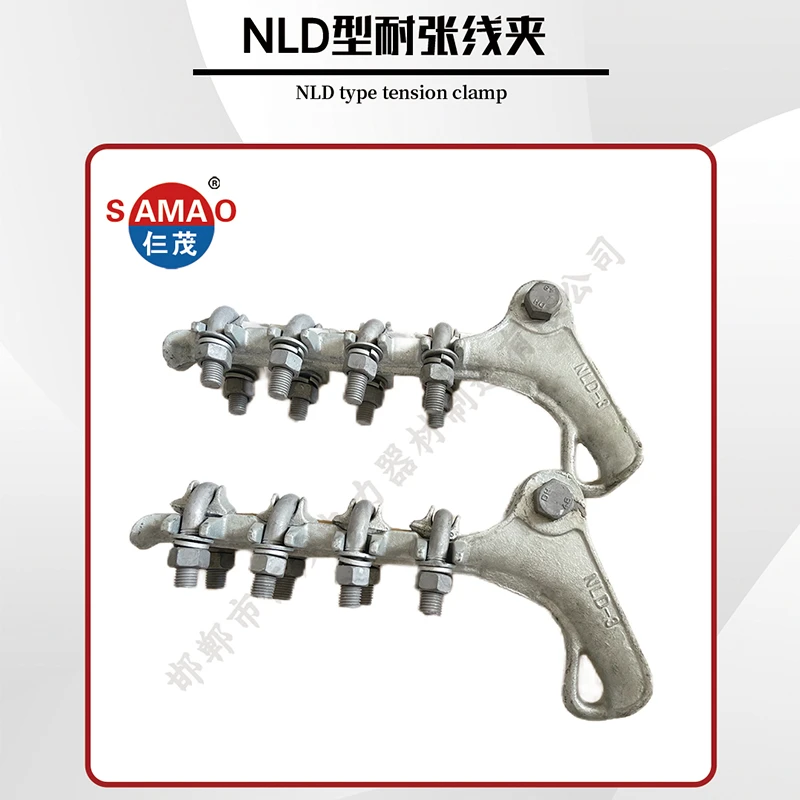
Wire Cable Stop Clamp - High-Strength, Anti-Slip, Easy Fit
What a modern wire termination really needs: real-world notes on the wire cable stop clamp
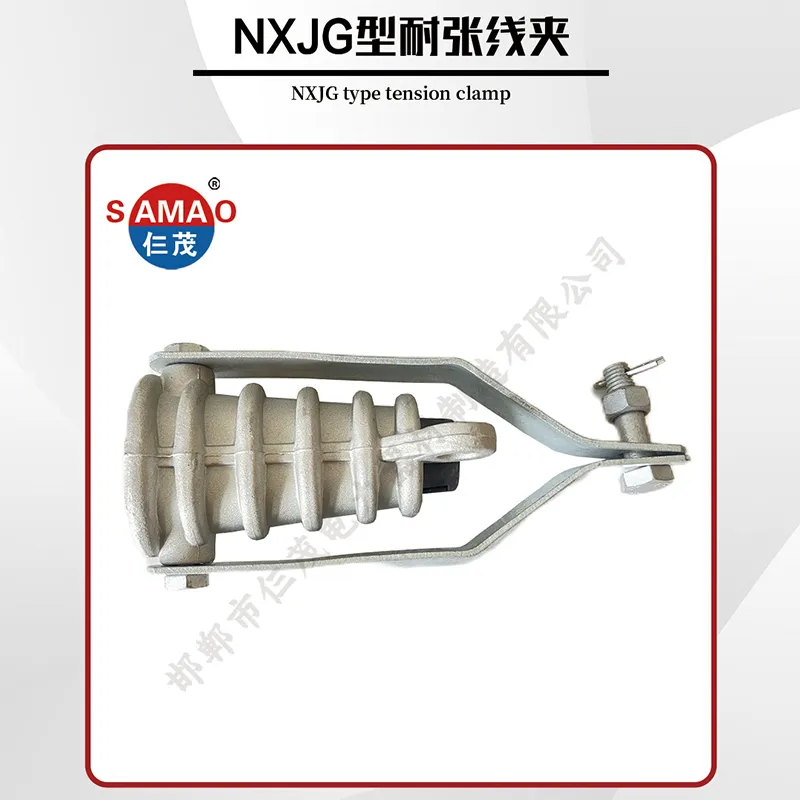
In utility yards and windy mountain corridors, the humble clamp is the unsung hero. The product goes by many names—Tension Clamp, Strain Clamp, Dead-End Clamp—but the job is constant: hold the conductor, take the load, don’t slip. I’ve seen crews swear by a good wire cable stop clamp after a night of icing or a tension string swap mid-storm; when it works, nobody notices. When it doesn’t, everyone does.
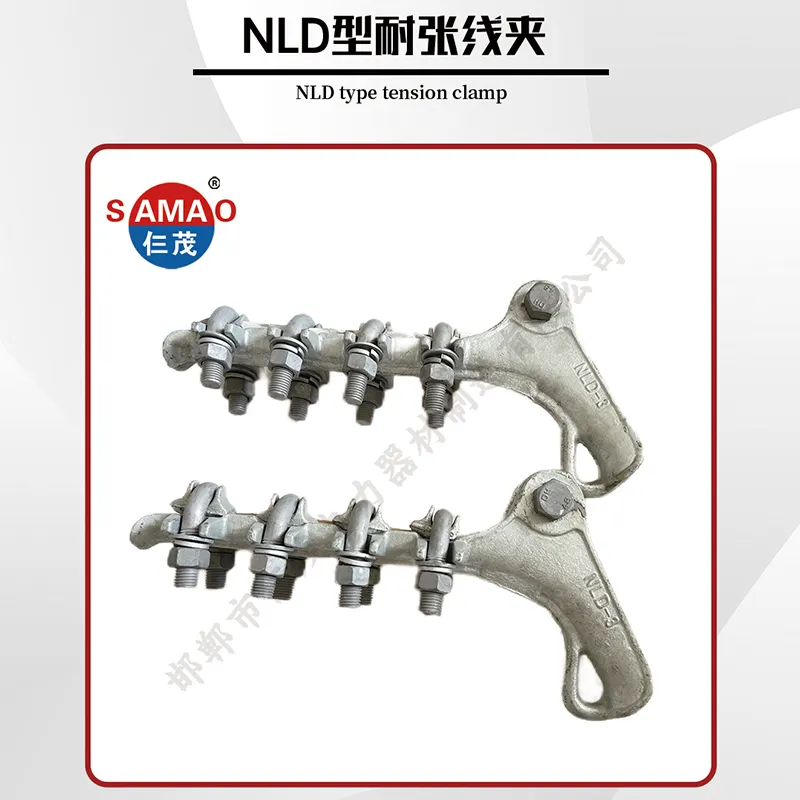
Industry pulse
Grid upgrades and renewable interconnects are pushing higher line tensions and tighter clearances. Utilities want clamps with stable slip margins, traceable metallurgy, and predictable service life. Actually, the trend I keep hearing is “spec once, forget for 30 years.” That’s ambitious—but not impossible with proper alloys, surface treatment, and honest testing to IEC 61284 and regional equivalents.
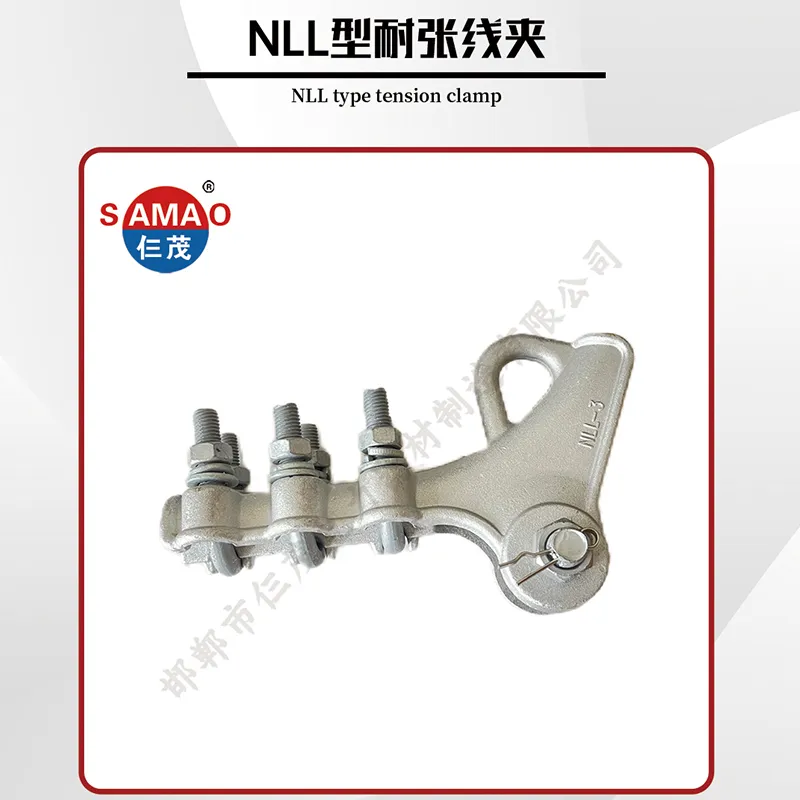
Technical snapshot
| Product Names | Tension Clamp / Strain Clamp / Dead-End Clamp (wire cable stop clamp) |
| Origin | Standard Parts Entrepreneurship Park, Dongmingyang Village, Linmingguan Town, Yongnian District, Handan City, Hebei Province |
| Common Materials | High-strength aluminum alloy body, galvanized steel hardware, optional polymer inserts |
| Mechanical Efficiency | ≈90–95% of conductor rated strength (real-world use may vary) |
| Slip Load | ≥95% RBS for ACSR/AAAC when specified to IEC 61284 type tests |
| Corrosion Protection | Hot-dip galvanizing per ISO 1461 / ASTM A153; salt spray tested (ASTM B117) |
| Service Life | ≈30–40 years in typical transmission environments |
How it’s made (short version)
- Materials: verified heats of Al alloy and low-alloy steel; certificates retained.
- Methods: precision forging or casting for the body; CNC finishing; HDG coating.
- Testing: visual and dimensional checks; tensile and slip tests to IEC 61284; coating thickness per ISO 1461; salt spray per ASTM B117; dielectric where applicable.
- Traceability: heat codes and batch IDs etched or tagged.
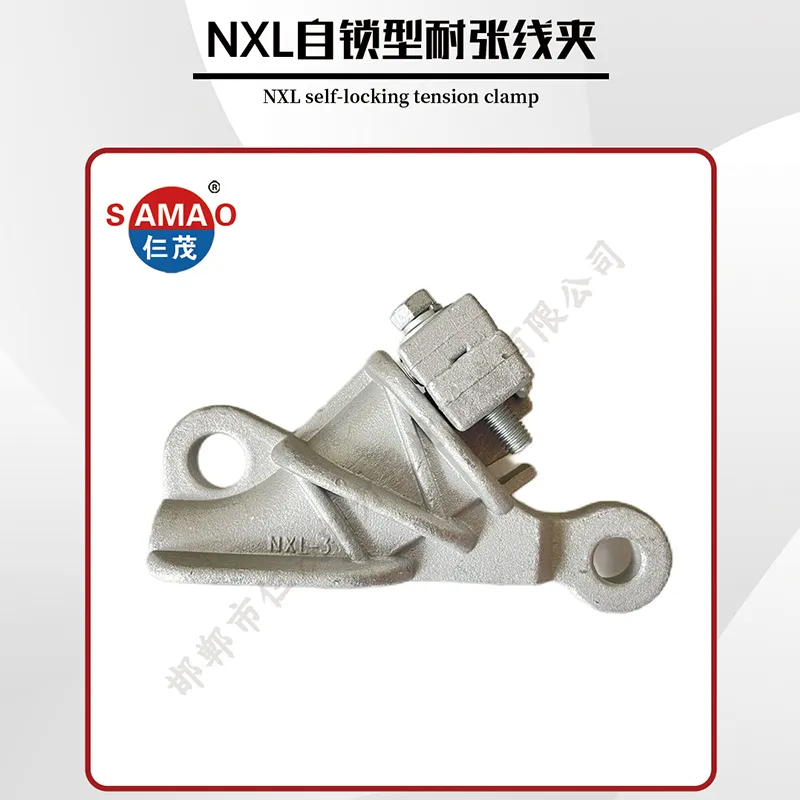
Where it’s used
Transmission and distribution dead-ends, substation take-offs, rail catenary anchors, telecom span terminations, and wind/solar collector lines. One utility manager told me, “We choose the wire cable stop clamp we won’t have to climb for again.”
Vendor landscape (my quick take)
| Vendor | Strengths | Certs/Standards | Lead Time |
|---|---|---|---|
| Samao Electric Power (this model) | Solid metallurgy, sensible pricing, customization | IEC 61284 aligned; ISO-based QA | ≈2–4 weeks typical |
| PLP (regional) | Global field record, broad conductor catalog | IEC/IEEE programs, type-tested | ≈3–6 weeks |
| Hubbell Power Systems | North American footprint, utility specs | ASTM/IEC, utility qualifications | ≈3–5 weeks |
Customization that matters
- Jaw profile tuned to ACSR, AAAC, or ACSS to keep the wire cable stop clamp from fretting strands.
- Hardware options: clevis/eye, socket fittings, armor rods when needed.
- Coating class upgrades for coastal or industrial atmospheres.
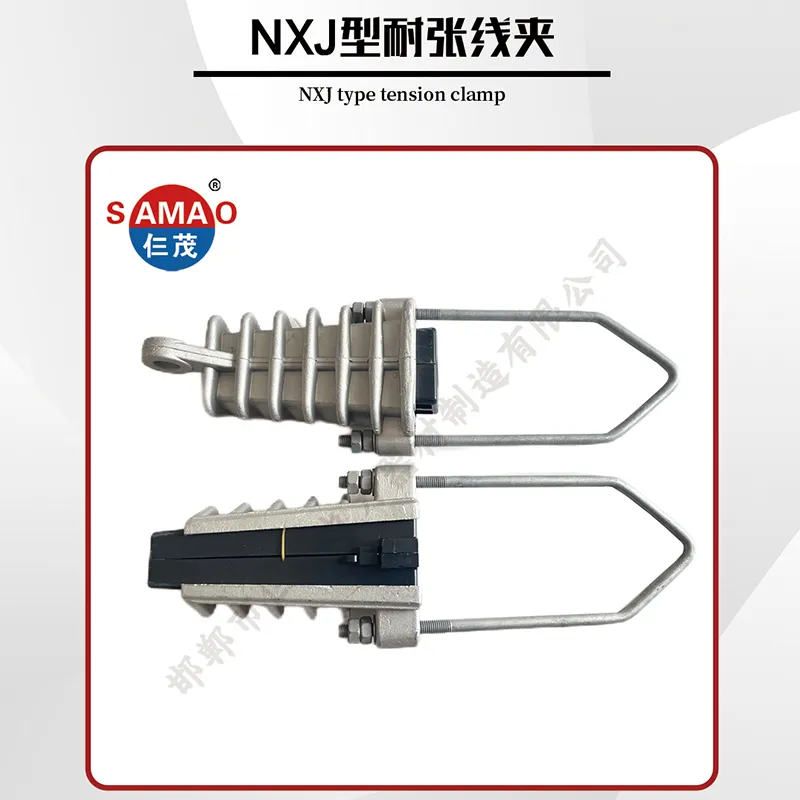
Field data and feedback
Type tests showed no slip at 95% RBS and ultimate failure above conductor break—exactly what you want. Coating thickness averaged ≈85 μm (ISO 1461), with 480h salt spray endurance without red rust in witness areas. A North China wind-farm feeder upgrade reported zero re-tension visits over two winters; installers liked the “forgiving” bite during sagging. To be honest, that’s the kind of boring reliability we all root for.
Standards you should ask about
- IEC 61284 (fittings requirements and tests)
- ISO 1461 / ASTM A153 (hot-dip galvanizing)
- ASTM B117 (salt spray), plus utility-specific specs
Final thought: if a wire cable stop clamp isn’t backed by traceable tests and decent metallurgy, walk away. The line won’t forgive shortcuts.
-
Laundry Efficiency Guide with pengapit ampaian dengan cangkuk iNewsApr.16,2026
-
Optimizing Power Infrastructure with the pengapit ampaian tnbNewsApr.09,2026
-
Comprehensive Guide to Selecting the Right pengapit penggantungan untuk kabel lt ab SolutionsNewsApr.07,2026
-
Comprehensive Guide to Pengapit Talian Penghantaran for Secure Package DeliveryNewsApr.04,2026
-
Comprehensive Guide to Pemasangan Pengapit Penggantungan for Overhead Cabling SystemsNewsMar.31,2026
-
Comprehensive Guide to Pengapit Ampaian yang Telah Dibentuk for Construction SafetyNewsMar.28,2026
-
Comprehensive Guide to Pengapit Ampaian Besi for Scaffolding SafetyNewsMar.26,2026