Wire Cable Stop Clamp – Heavy-Duty, Anti-Slip, Easy Install
Field Notes on the Unsung Hero: Wire Cable Stop Clamp (aka Tension/Strain/Dead-End Clamp)
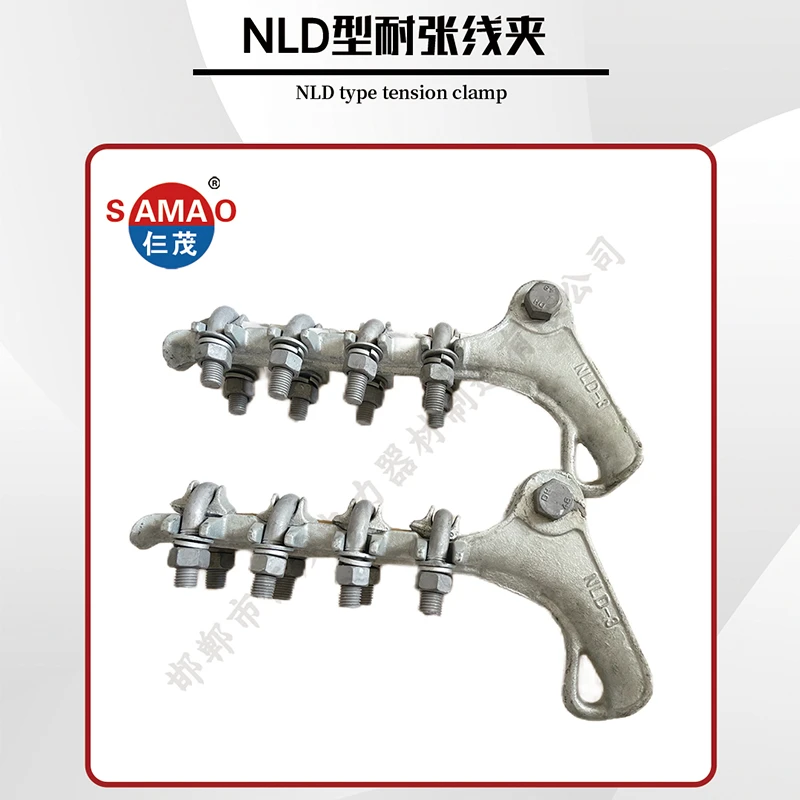
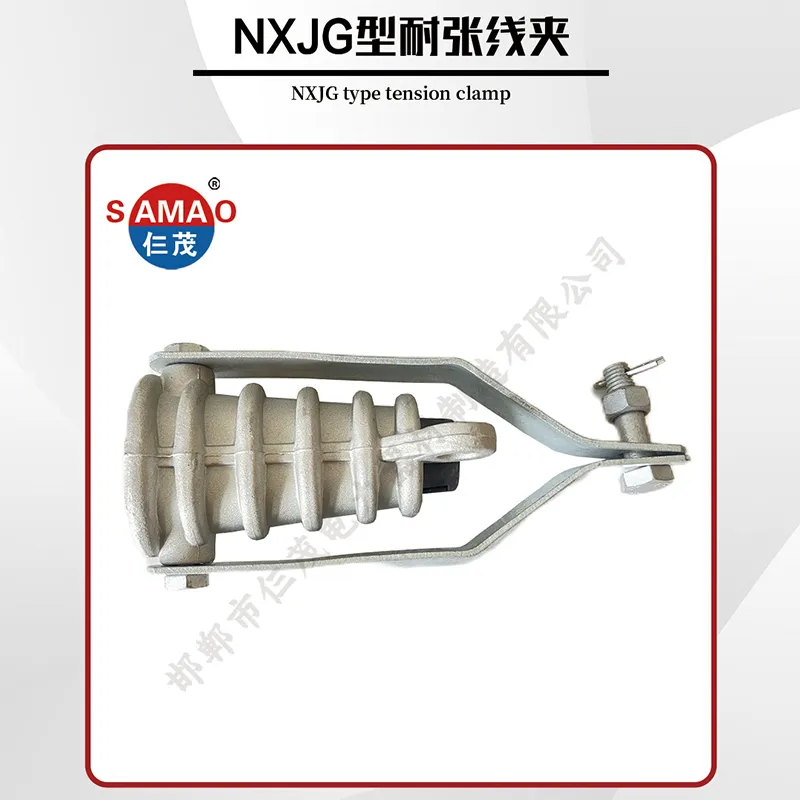
If you work around overhead lines, you know the part I’m talking about. The clamp that quietly holds, transfers full tensile loads, and never complains—until someone installs it wrong. The Tension Clamp (also called Strain Clamp or Dead-End Clamp) is, frankly, where reliability meets brute physics. I’ve seen it save jobs; I’ve also seen cheap copies bite crews. Let’s unpack what matters in real-world use.
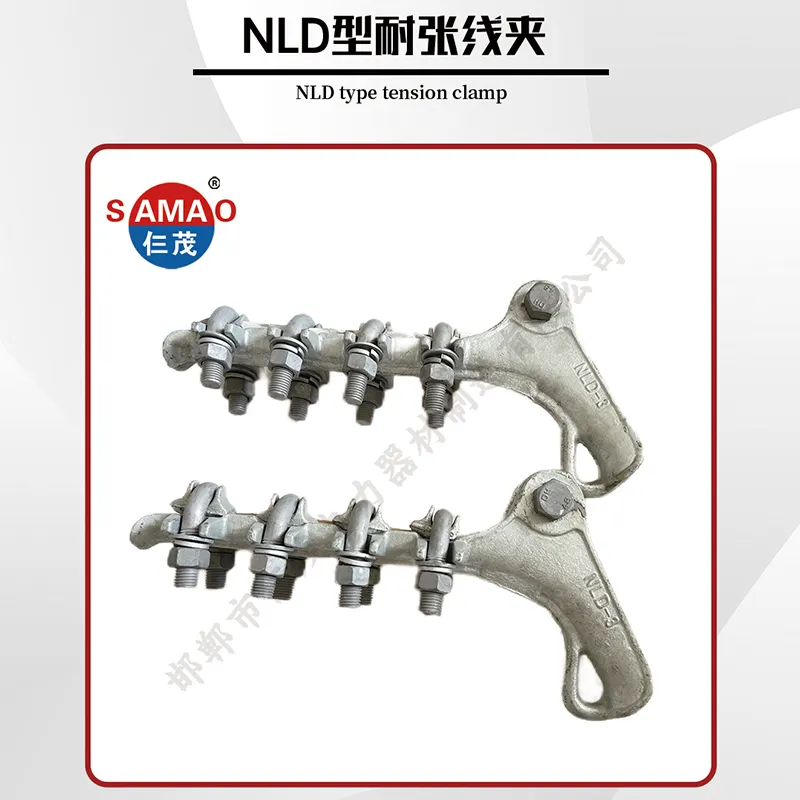
What it is and where it’s made
A tension clamp is a metal fitting that anchors conductors, carries line tension, and interfaces with strings/towers. The unit featured here is produced in the Standard Parts Entrepreneurship Park, Dongmingyang Village, Linmingguan Town, Yongnian District, Handan City, Hebei Province—a region that, to be honest, knows a thing or two about forged hardware.
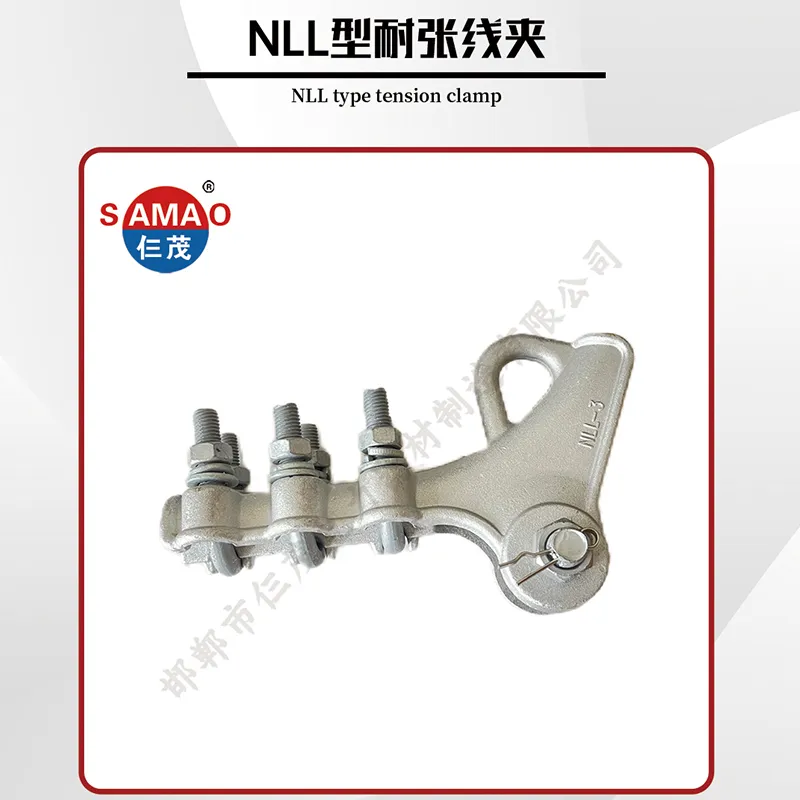
Industry trends I’m seeing
- Grid hardening and wildfire mitigation: higher slip loads, better thermal stability.
- Corrosion resistance: hot-dip galvanizing to ISO/ASTM levels and aluminum alloys that stand up to salt fog.
- Renewables and reconductoring: clamps compatible with ACCC/ACSS conductors and higher operating temps.
- Faster installs: ergonomic profiles that play nice with come‑alongs and live-line methods.
Typical Technical Specs (indicative)
| Model | Conductor Range | Rated Tensile Strength (RTS) | Body Material | Coating | Temp |
|---|---|---|---|---|---|
| TD-70 | ACSR 50–70 mm² | ≈ 40–60 kN | Al alloy (forged) | HDG steel hardware | -40 to 120°C |
| TD-150 | ACSR 120–150 mm² | ≈ 70–95 kN | Al alloy (forged) | HDG steel hardware | -40 to 150°C (ACSS use may vary) |
Specs are indicative; real-world use may vary by conductor type, armor rod, and installation method.
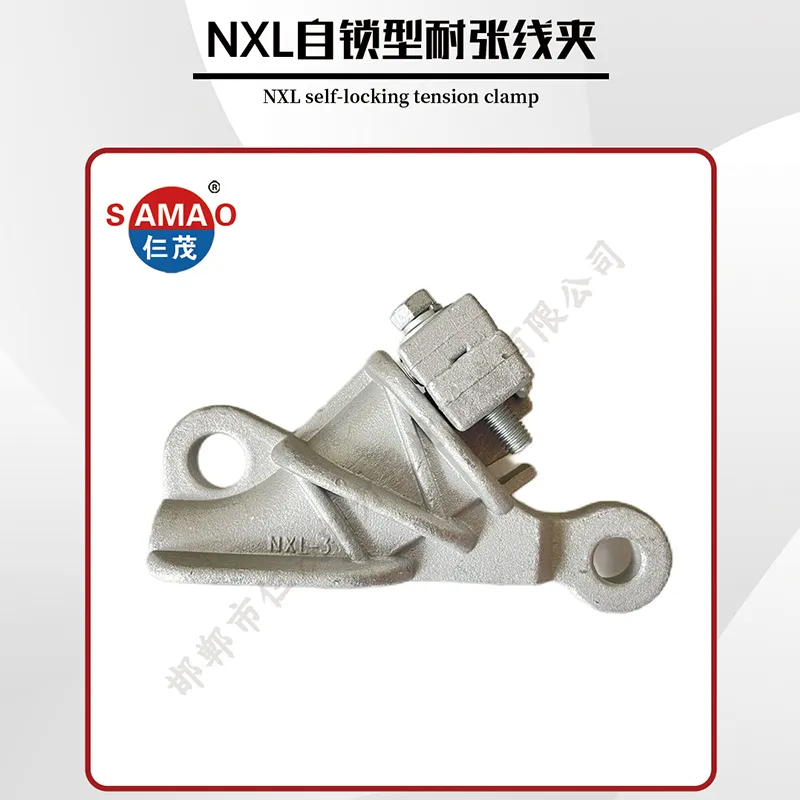
How it’s made (and tested)
Materials: forged aluminum alloy bodies (often 6061‑T6/356 variants), galvanized steel U‑bolts/eyebolts, and ductile iron keepers where required. Methods: precision die forging, CNC finishing, passivation, hot‑dip galvanizing to ISO 1461 / ASTM A153. Testing per IEC 61284: slip ≥ 95% conductor RTS, ultimate ≥ 1.1× rated; visual corona check per project class (I’ve seen no visible corona up to ≈30 kV on 220 kV hardware with armor). Salt-spray endurance: 480–720 h typical. Service life: around 25–35 years, assuming basic maintenance.
Applications and advantages
- Transmission and distribution dead-ends, river/canyon crossings, wind/snow load districts.
- Compatible with ACSR/AAAC/ACSS/ACCC when paired with correct armor/stirrups.
- Advantages: high slip margin, corrosion defense, crew-friendly geometry, consistent metallurgy.
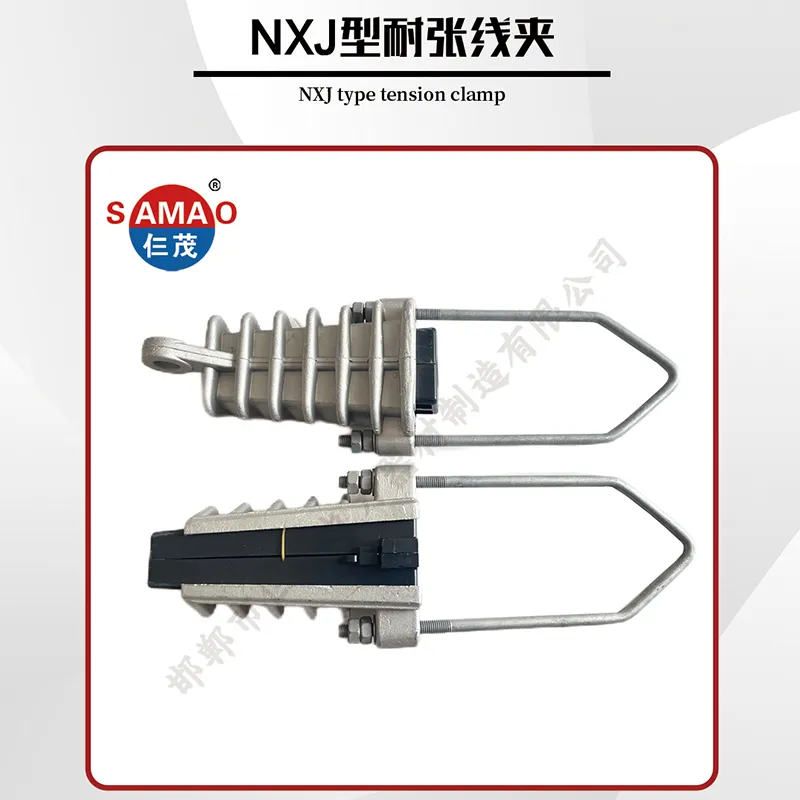
Vendor snapshot (what crews tell me)
| Vendor | Core Material | Typical RTS | Certs | Lead Time | Notes |
|---|---|---|---|---|---|
| Samao (Hebei) | Forged Al + HDG steel | 95%–110% of spec, tested | IEC 61284; ISO 1461 | 2–4 weeks | Consistent QC; fair pricing |
| Generic Import | Cast Al mix | ≈80%–90% target | Basic CoC | 1–3 weeks | Pricey to rework installs |
| Local Fabricator | Machined steel/al | Varies | Shop QA | Fast for small lots | Good for prototypes |
Many customers say Samao’s dead-ends arrive with clean threads and predictable torque, which—surprisingly—still isn’t universal.
Customization and a quick case
Customization: alternate eye types, RTV sleeves, armor lengths for ACCC, and upgraded galvanizing thickness for coastal C5-M environments. Marking and lot traceability recommended.
Case study: 110 kV coastal feeder reconductoring to ACSS. Swapped legacy ends for Wire Cable Stop Clamp sets rated to 150°C with enhanced HDG. Results: slip test averaged 98% conductor RTS; field crews reported ~12% faster stringing due to simplified keeper profile. Six-month salt-fog check showed no red rust on hardware—promising, though I’d still inspect annually.
Compliance, testing, and safety
- Design/Type tests: IEC 61284 (fittings for overhead lines).
- Galvanizing: ISO 1461 / ASTM A153.
- Installation reference: IEEE 524 (conductor stringing).
- Line loading context: IEC 60826.
Pro tip: always pair Wire Cable Stop Clamp with the correct armor rods and follow torque values. It seems obvious—until a windy day proves otherwise.
Final thought
If your project needs a dependable Wire Cable Stop Clamp, the Hebei-built Tension/Strain/Dead-End units are a practical, well‑tested option—priced sanely, engineered for the realities crews face.
- IEC 61284: Overhead lines – Requirements and tests for fittings.
- ISO 1461 / ASTM A153: Hot-dip galvanized coatings on fabricated iron and steel.
- IEEE Std 524: Guide to the Installation of Overhead Transmission Line Conductors.
- IEC 60826: Design criteria of overhead transmission lines.
-
Laundry Efficiency Guide with pengapit ampaian dengan cangkuk iNewsApr.16,2026
-
Optimizing Power Infrastructure with the pengapit ampaian tnbNewsApr.09,2026
-
Comprehensive Guide to Selecting the Right pengapit penggantungan untuk kabel lt ab SolutionsNewsApr.07,2026
-
Comprehensive Guide to Pengapit Talian Penghantaran for Secure Package DeliveryNewsApr.04,2026
-
Comprehensive Guide to Pemasangan Pengapit Penggantungan for Overhead Cabling SystemsNewsMar.31,2026
-
Comprehensive Guide to Pengapit Ampaian yang Telah Dibentuk for Construction SafetyNewsMar.28,2026
-
Comprehensive Guide to Pengapit Ampaian Besi for Scaffolding SafetyNewsMar.26,2026