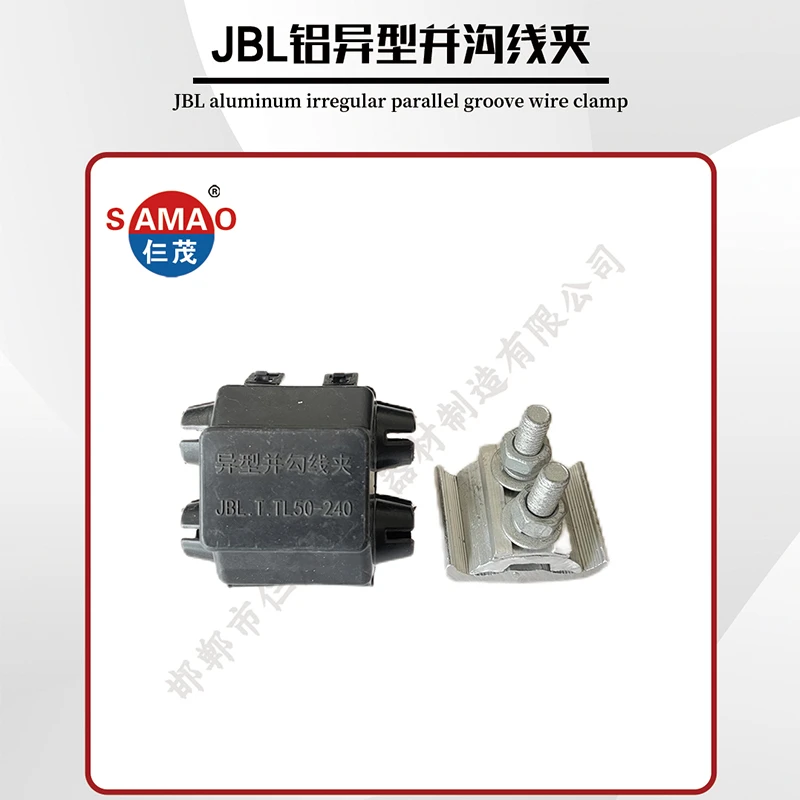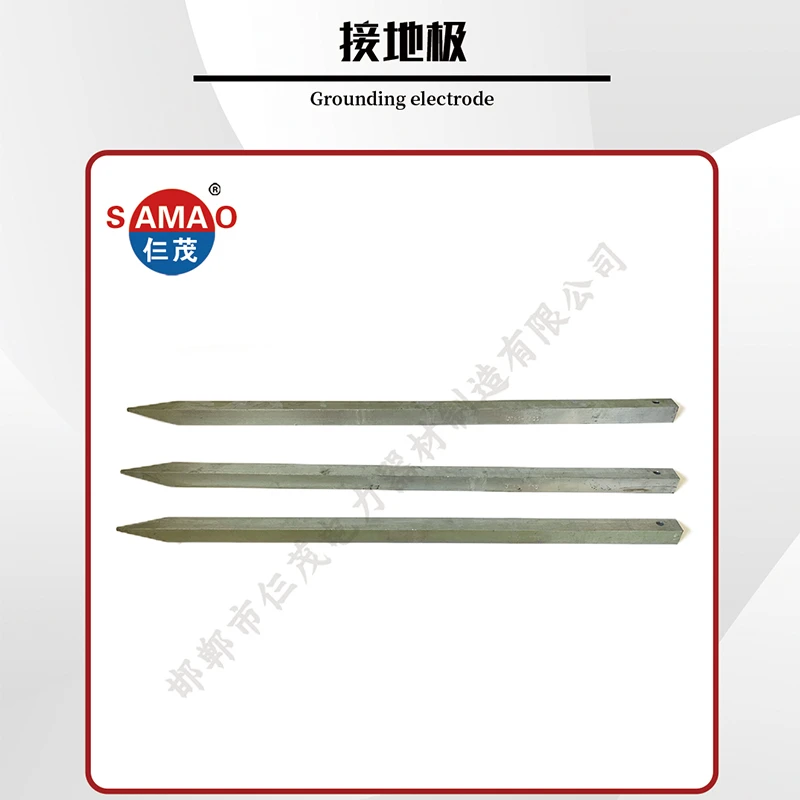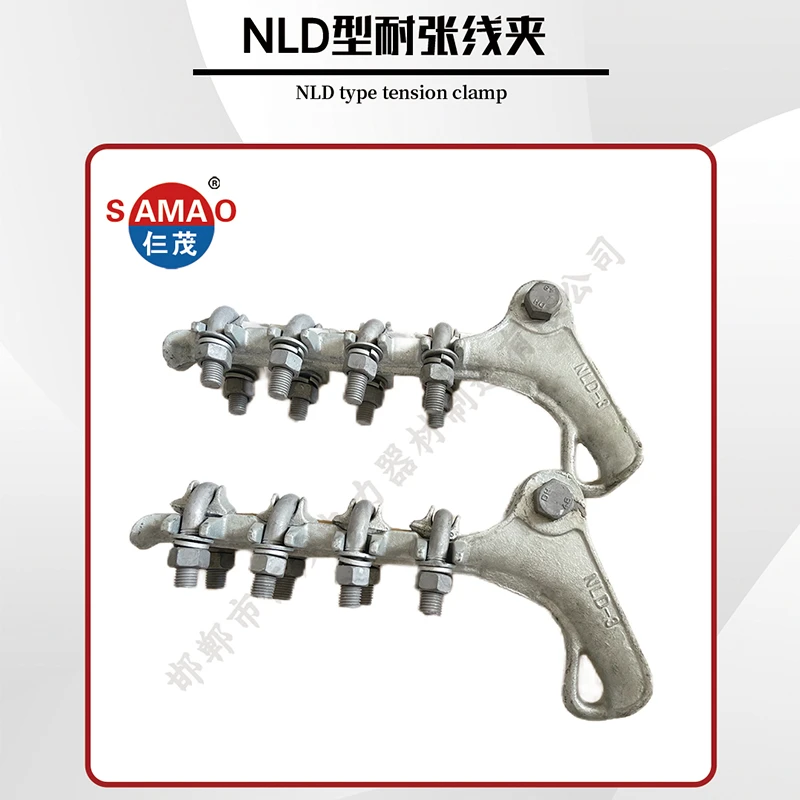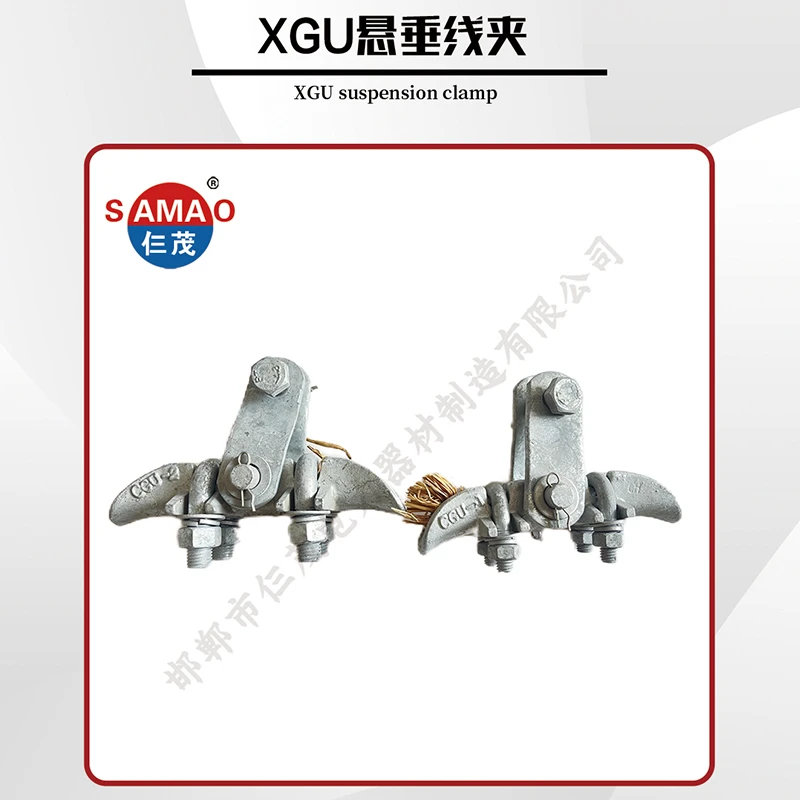
Wire Cable Stop Clamp – Heavy-Duty, Anti-Corrosion
Field Notes on the Wire Cable Stop Clamp: what’s changing and what still matters
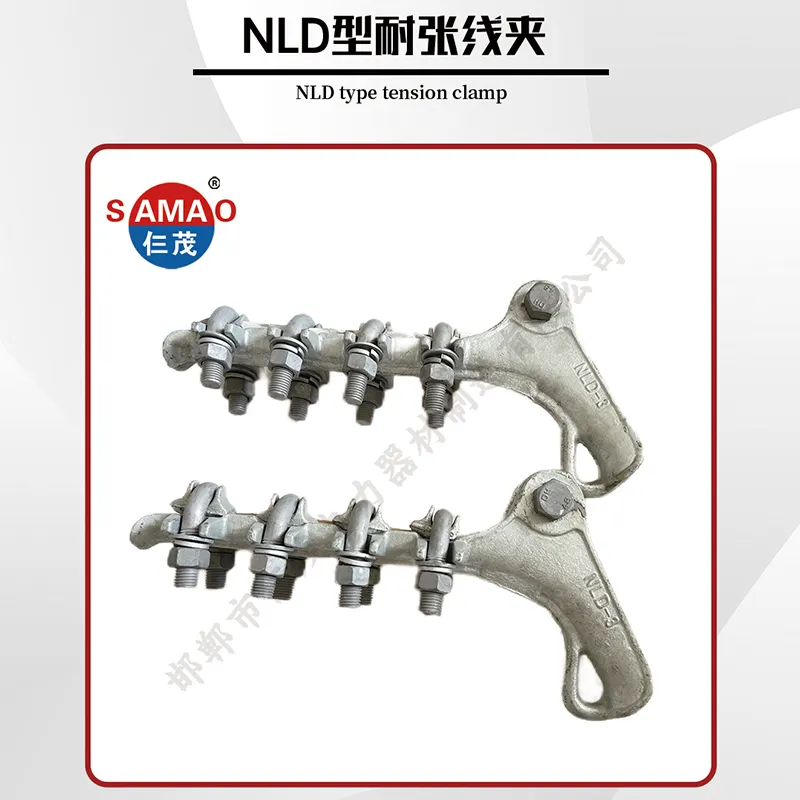
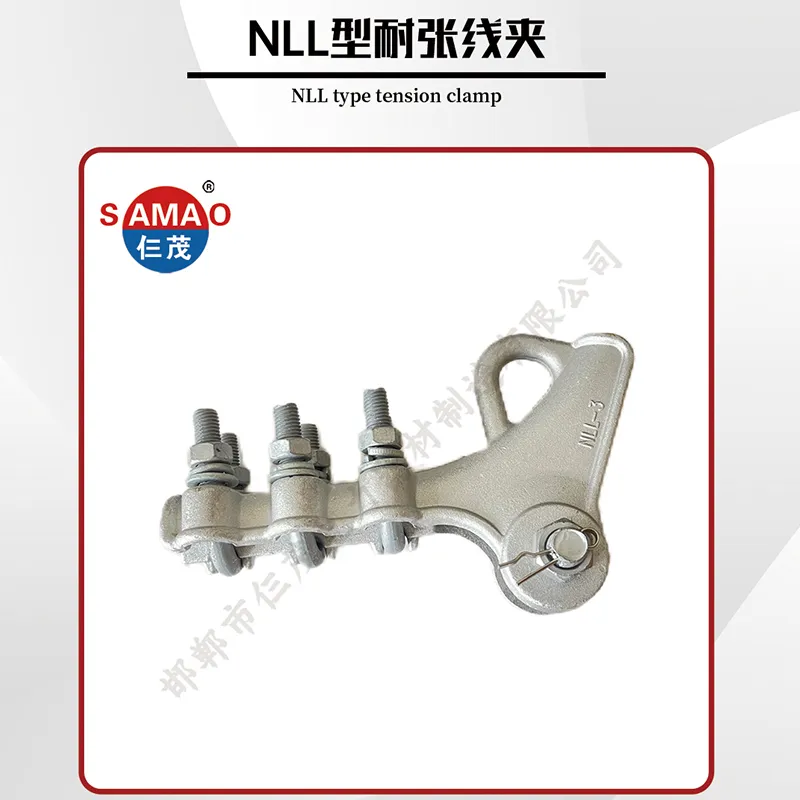
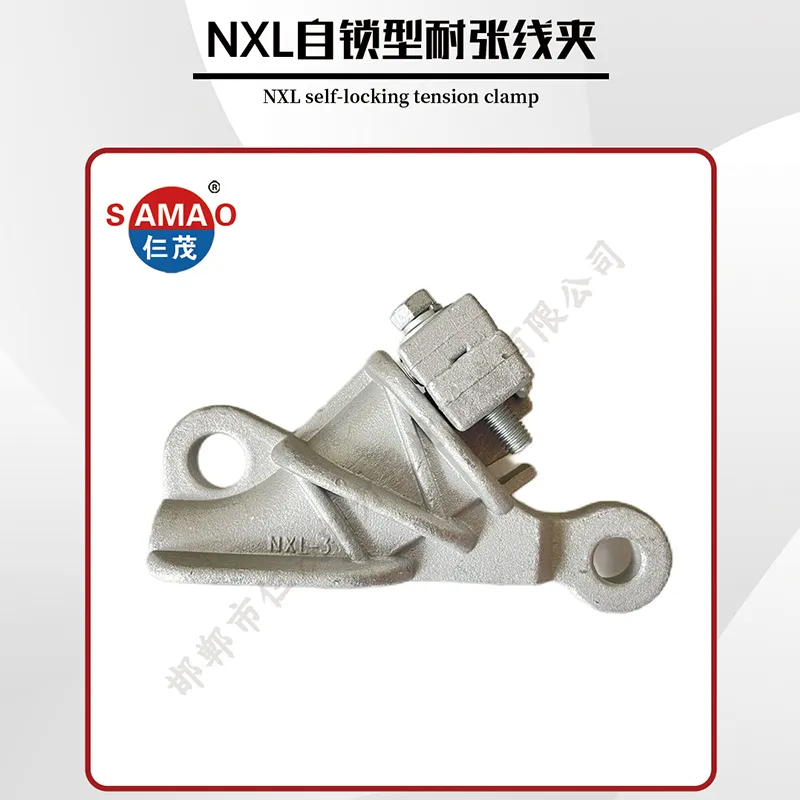
If you work on lines, you already know the humble Wire Cable Stop Clamp by its other names—tension clamp, strain clamp, dead-end clamp. I’ve stood on windy pads in Hebei, watching these parts come off hot lines and into crates. They’re deceptively simple: a metal fixture that anchors a conductor, takes the tension, and hangs cleanly on a string or tower. Simple, yes—but the devil is in metallurgy, finish, and QC.
Industry trends I’m seeing
- Utilities pushing for fittings that meet IEC 61284 with traceable heat numbers and consistent galvanizing thickness.
- More aluminum alloy bodies on AAAC lines to reduce bimetallic corrosion; forged steel where brute strength rules.
- Renewables + reconductoring = higher mechanical loads and tighter installation windows. Crews want clamps that “bolt up cleanly,” as one foreman told me.
- Salt-mist and industrial zones driving requests for heavier zinc and better sealing of threads.
Typical specifications (real-world use may vary)
| Conductor range | ≈ 25–400 mm² (ACSR/AAAC) |
| Body | Ductile iron (QT450-10) or forged steel; aluminum alloy options |
| Hardware | Galvanized high-strength steel U-bolts, clevis/eye |
| Coating | Hot-dip galvanizing ≥ 70–100 µm (ISO 1461) |
| Ultimate tensile performance | Holds ≥ 90–95% RTS of conductor (IEC 61284) |
| Slip/hold test | ≈ 40–120 kN across sizes |
| Service temperature | −40 to +120 °C |
Process flow (what good factories actually do)
Material certification → forging/casting → machining and radius dressing → shot blasting → hot-dip galvanizing (ISO 1461) → torque-assembly → proof load and slip testing (IEC 61284) → final inspection. Service life? Around 25–40 years if the zinc holds up and you keep an eye on threads.
Origin note: made in the Standard Parts Entrepreneurship Park, Dongmingyang Village, Linmingguan Town, Yongnian District, Handan City, Hebei Province—a cluster that, to be honest, has tightened quality control a lot in recent years.
Where a Wire Cable Stop Clamp earns its keep
- Distribution and transmission dead-ends (11–220 kV)
- Substation take-offs and sectioning points
- OPGW/ADSS terminations with appropriate hardware kits
- Railway electrification and industrial overhead runs
Advantages? Mechanical predictability, corrosion resistance, and—surprisingly often—faster stringing because threads and saddles align without a fight.
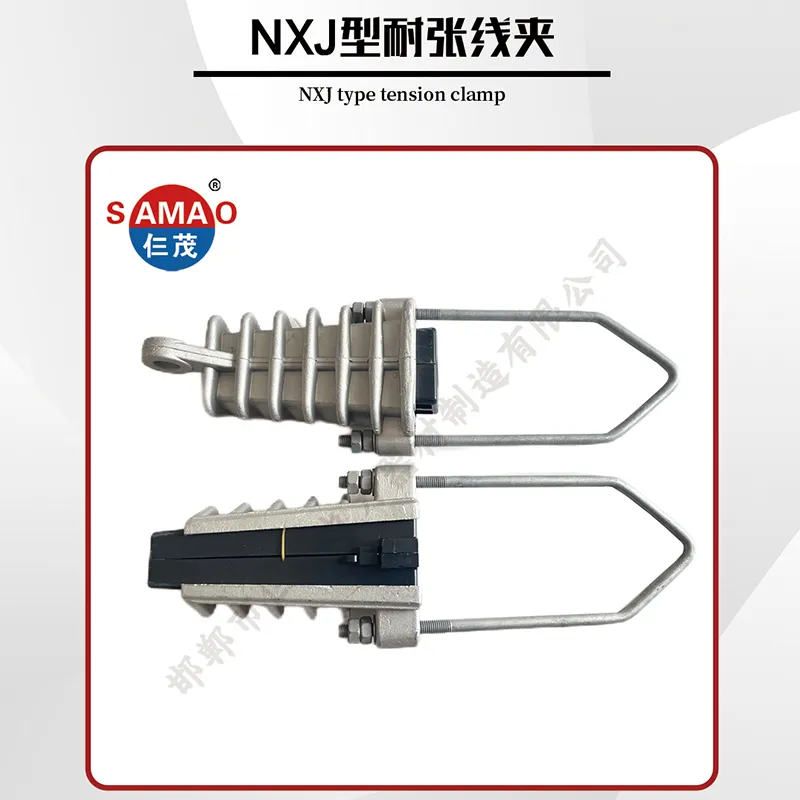
Vendor comparison (quick take)
| Vendor | Standards & tests | Customization | Lead time | MOQ | Traceability |
|---|---|---|---|---|---|
| SAMAOEP (Hebei) | IEC 61284 type tests; ISO 9001; CNAS reports (on request) | Hole spacing, alloy, logo, kit bundles | ≈ 10–20 days | ≈ 100 sets | Heat-numbered, 24‑month warranty |
| Generic importer | Mixed documentation | Limited | ≈ 30–60 days | ≥ 500 | Variable |
| Local fabricator | Partial tests | High | ≈ 7–15 days | ≈ 50 | Limited formal tracking |
Customization you might actually need
For a Wire Cable Stop Clamp: alternate clevis/eye, different saddle geometry for ACSR vs AAAC, heavier zinc (coating ≥ 100 µm), captive washers, and prepacked kits with thimble-eye + armor rods. Small tweaks, big install wins.
Mini case files
- 110 kV retrofit, SE Asia: replacing corroded hardware cut line trips by ≈60% over 12 months; slip test on site mock-up held 70 kN without movement. Crew feedback: “bolted up cleanly.”
- Coastal 35 kV collector: heavy-galv Wire Cable Stop Clamp units passed 720 h salt-spray (ASTM B117, factory test); no red rust, torque stayed within spec after re-check.
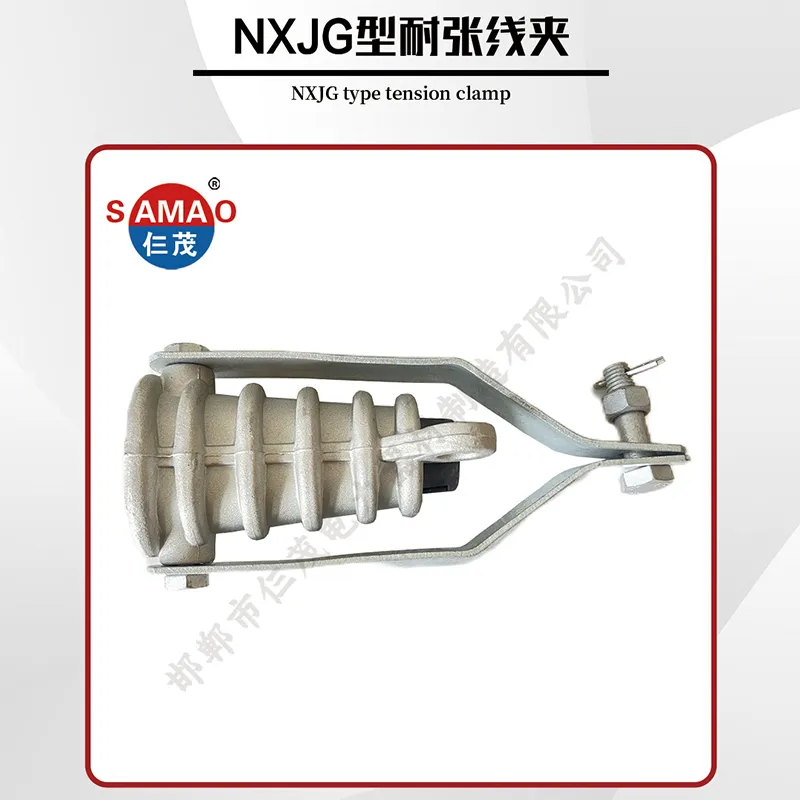
What to ask before you buy
- Type-test reports to IEC 61284 and coating certificates to ISO 1461.
- Actual slip/hold data by conductor size; torque values; hardness maps.
- Batch traceability and warranty terms—sounds boring, saves outages.
Certifications typically available: ISO 9001, material EN/ASTM certificates, third-party (CNAS) mechanical tests. As always, verify against your spec book.
References
- IEC 61284: Overhead lines – Requirements and tests for fittings.
- ISO 1461: Hot dip galvanized coatings on fabricated iron and steel articles.
- IEEE Std 524: Guide to the Installation of Overhead Transmission Line Conductors.
- ASTM A153/A153M: Zinc Coating (Hot-Dip) on Iron and Steel Hardware.
-
Laundry Efficiency Guide with pengapit ampaian dengan cangkuk iNewsApr.16,2026
-
Optimizing Power Infrastructure with the pengapit ampaian tnbNewsApr.09,2026
-
Comprehensive Guide to Selecting the Right pengapit penggantungan untuk kabel lt ab SolutionsNewsApr.07,2026
-
Comprehensive Guide to Pengapit Talian Penghantaran for Secure Package DeliveryNewsApr.04,2026
-
Comprehensive Guide to Pemasangan Pengapit Penggantungan for Overhead Cabling SystemsNewsMar.31,2026
-
Comprehensive Guide to Pengapit Ampaian yang Telah Dibentuk for Construction SafetyNewsMar.28,2026
-
Comprehensive Guide to Pengapit Ampaian Besi for Scaffolding SafetyNewsMar.26,2026