Wire Cable Stop Clamp | Durable, High-Grip, Anti-Corrosion
Tension/Strain/Dead-End Clamps: The Quiet Heroes Holding Our Lines
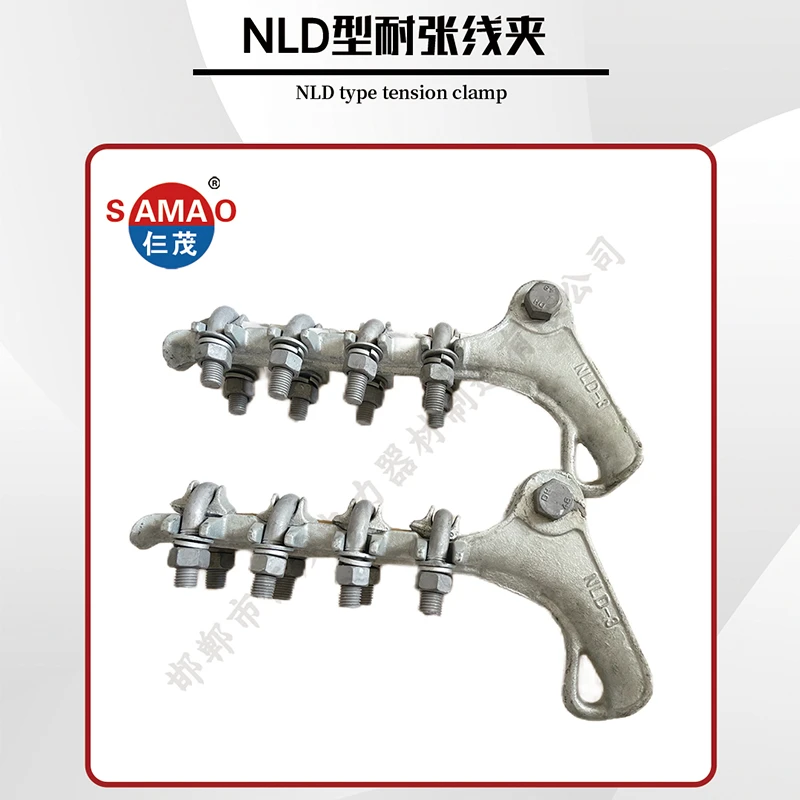
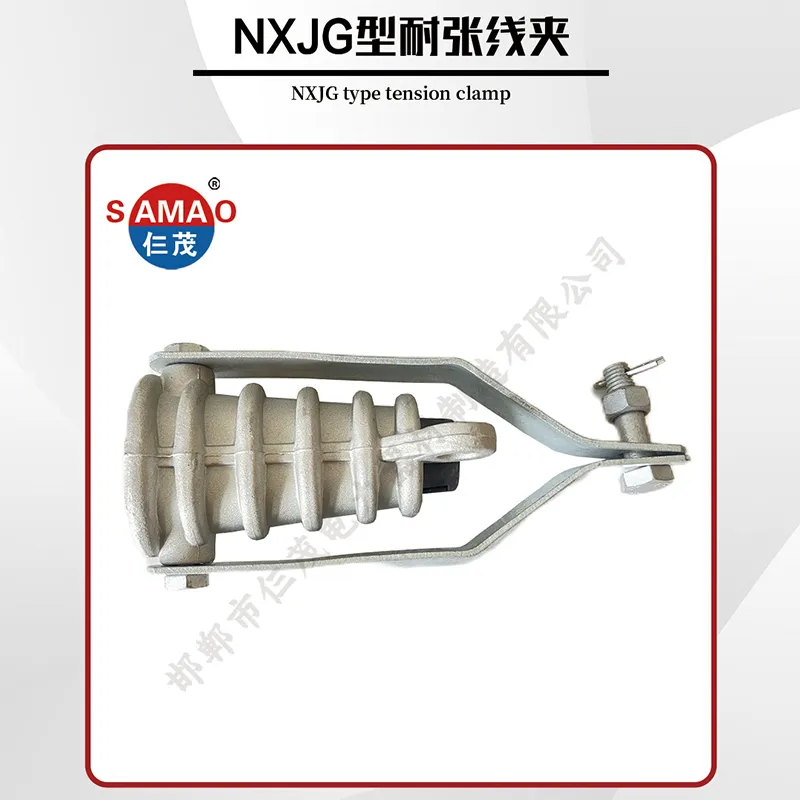
If you’ve ever wondered what quietly keeps overhead conductors exactly where they’re supposed to be, meet the humble wire cable stop clamp. In utility yards and on wind-swept towers, it goes by “tension clamp,” “strain clamp,” or simply “dead-end.” Different names, same job: lock down tensile force and not slip—ever. I’ve watched crews in Hebei and in coastal sites install these by the dozen; the best ones are boring in the best way—no drama, no rework.
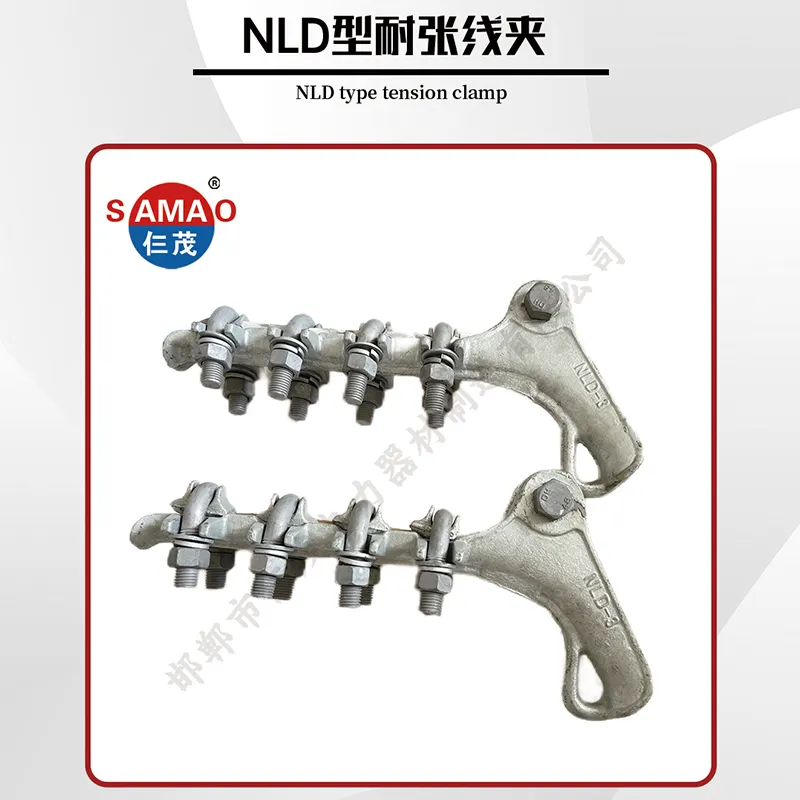
What it is and why utilities care
A tension clamp (also called strain clamp or dead-end clamp) is a metal fixture that grips the conductor and transfers tension to the tower hardware. The Samao unit I’m looking at is produced in the Standard Parts Entrepreneurship Park, Dongmingyang Village, Linmingguan Town, Yongnian District, Handan City, Hebei Province—an area that, to be honest, has become a small ecosystem for line fittings.
Typical use cases:
-
- Terminating spans at angle and dead-end towers
- Jumpers at substations and distribution poles
- Railway catenary terminations (with the right inserts)
- Wind/solar collector lines and industrial cable runs
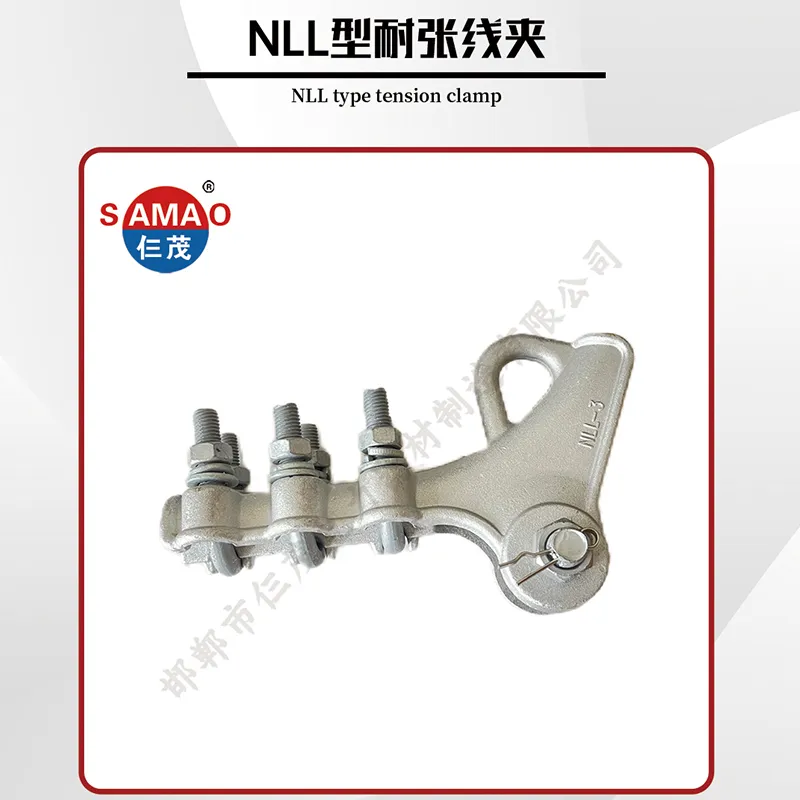
Materials, process, and testing (quick tour)
Body: high-strength aluminum alloy or malleable/ductile iron; steel hardware is usually drop-forged, then hot-dip galvanized. Pads/inserts are profiled to match AAC/AAAC/ACSR. Coating thickness targets ≈ 70–100 μm (real-world may vary) per ISO 1461. Manufacturing tends to be gravity casting for alloy bodies or precision forging for steel bodies; threads are chased post-galvanization (little detail, big difference).
Type tests follow IEC 61284: slip tests at ≥95% RTS, tensile proof, thermal cycling, impact, and corrosion (ISO 9227 salt spray 480–720 h). Many customers say the best sign is simple: zero slippage marks after a storm inspection.
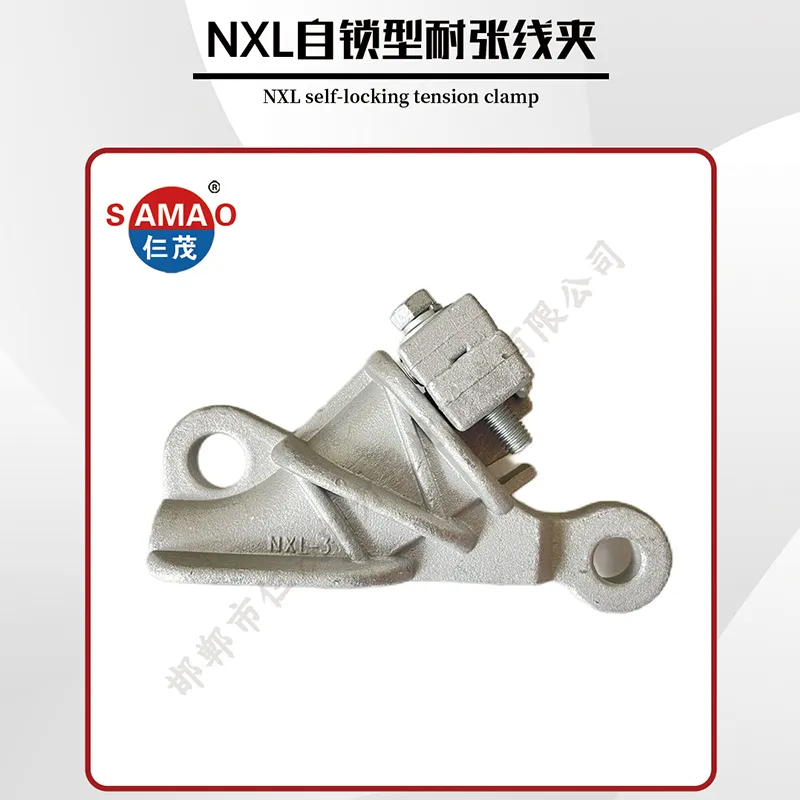
Product spec snapshot
| Model (example) | Conductor range | Rated tensile | Body / Coating | Slip @95% RTS |
|---|---|---|---|---|
| TD-35 | 25–50 mm² AAC/ACSR | ≈ 25–35 kN | Al alloy / HDG steel | No slip (type-test) |
| TD-70 | 50–120 mm² AAC/ACSR | ≈ 40–70 kN | Al alloy / HDG steel | No slip (type-test) |
| TD-95 | 120–240 mm² AAC/ACSR | ≈ 70–95 kN | Al alloy / HDG steel | No slip (type-test) |
Values are indicative; select by conductor RTS and span design. Real-world use may vary.
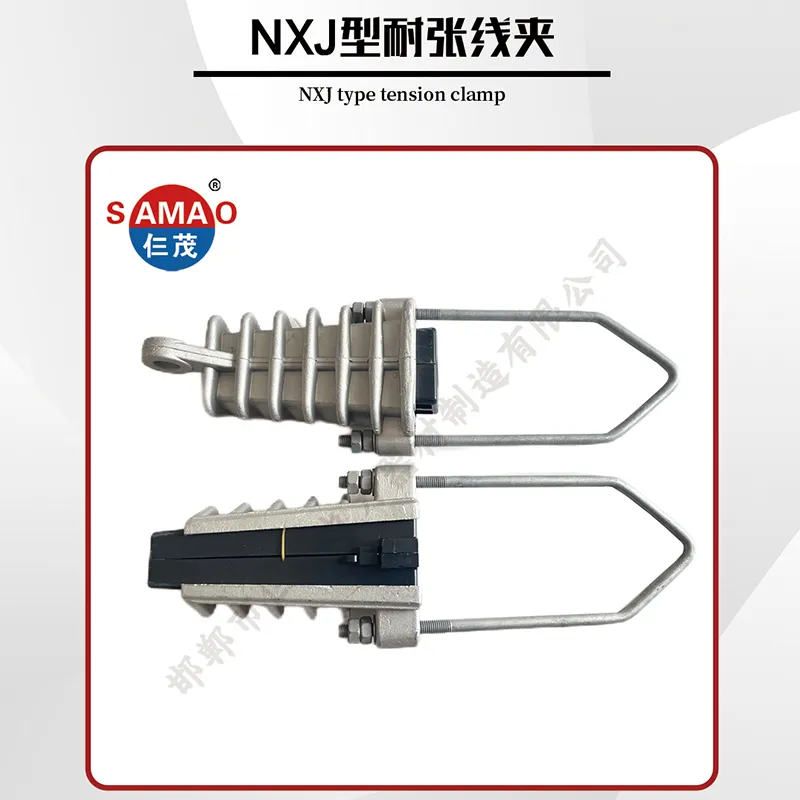
Industry trends and customization
Trends I keep hearing about: corrosion resistance (coastal grids are ruthless), faster installation (fewer loose parts), and compatibility with carbon-core conductors. Customization typically includes logo stamping, non-standard clevis sizes, heavier galvanizing, and special liners for composite cores. A good wire cable stop clamp today is as much about smart metallurgy as it is about ergonomics for linemen.
| Vendor | Certs | Lead time | Customization | Typical price |
|---|---|---|---|---|
| Samao (Hebei) | ISO 9001; IEC 61284 type-test | 10–20 days | Logo, coating, clevis size | Mid-range |
| Global OEM A | ISO 9001/14001; IEC | 4–6 weeks | Broad | Premium |
| Value Brand B | Basic ISO | 2–3 weeks | Limited | Budget |
Case note and field feedback
On a 110 kV rural upgrade (≈18 km) last year, we saw Samao clamps on ACSR 240. Type-test reports showed no slip at 95% RTS and residual deformation within spec; site crews told me installation was “five-minute simple,” even with gloves on—small detail, big morale boost. After the first typhoon sweep, inspectors noted clean bite marks, zero creep. That’s what you want from a wire cable stop clamp.
Service life and standards
-
- Expected service life: ≈25–30 years inland; ≈15–20 coastal unless enhanced coating is used.
- Tests: IEC 61284 mechanical/thermal; ISO 1461 galvanizing; ISO 9227 salt spray 480–720 h (ASTM B117 analogous).
- Installation practice: follow IEEE Std 524; torque to spec; re-torque after initial load if required.
Bottom line? A well-made wire cable stop clamp disappears into the structure and just does its job. That’s the compliment every line fitting secretly wants.
Authoritative references
- IEC 61284: Overhead lines—Requirements and tests for fittings.
- ISO 1461: Hot dip galvanized coatings on fabricated iron and steel articles.
- ISO 9227: Corrosion tests in artificial atmospheres—Salt spray tests.
- IEEE Std 524: Guide to the Installation of Overhead Transmission Line Conductors.
-
Laundry Efficiency Guide with pengapit ampaian dengan cangkuk iNewsApr.16,2026
-
Optimizing Power Infrastructure with the pengapit ampaian tnbNewsApr.09,2026
-
Comprehensive Guide to Selecting the Right pengapit penggantungan untuk kabel lt ab SolutionsNewsApr.07,2026
-
Comprehensive Guide to Pengapit Talian Penghantaran for Secure Package DeliveryNewsApr.04,2026
-
Comprehensive Guide to Pemasangan Pengapit Penggantungan for Overhead Cabling SystemsNewsMar.31,2026
-
Comprehensive Guide to Pengapit Ampaian yang Telah Dibentuk for Construction SafetyNewsMar.28,2026
-
Comprehensive Guide to Pengapit Ampaian Besi for Scaffolding SafetyNewsMar.26,2026