Wholesale Suspension Clamps: Durable Steel & Preformed Solutions
Understanding Wholesale Suspension Clamps and Industry Dynamics
The robust and reliable wholesale suspension clamp is a foundational component in overhead line construction, serving a critical role in securing conductors to insulator strings or directly to support structures. These clamps are engineered to bear the weight of power transmission lines, distribute mechanical stress, and prevent damage from vibration, wind, and ice loading. As vital links in infrastructure, their design and manufacturing require precision and adherence to stringent industry standards.
Current industry trends for suspension clamps are heavily influenced by the global push for smart grid integration, renewable energy expansion, and the modernization of existing power infrastructure. This includes a growing demand for high-performance materials offering superior corrosion resistance and lightweight properties, enabling longer spans and reduced maintenance. There's also an increased focus on vibration-dampening designs to enhance line longevity and ensure uninterrupted power supply. Leading suspension clamp suppliers are innovating with advanced alloys and modular designs to meet these evolving requirements. The emphasis on sustainability also drives the adoption of materials with a lower environmental footprint and manufacturing processes that minimize waste and energy consumption.
Technical Specifications & Advanced Design Principles
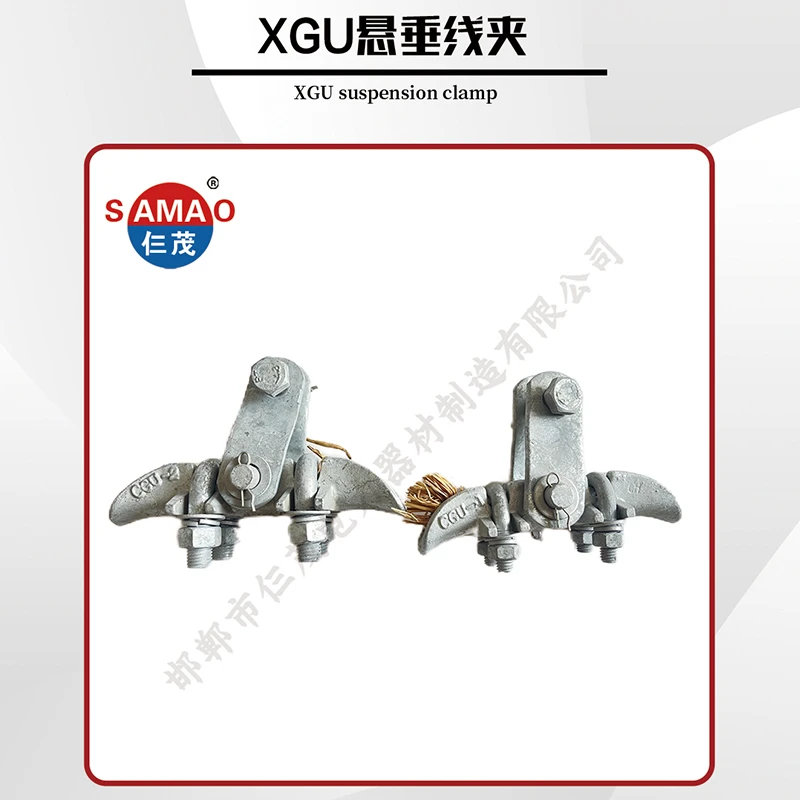
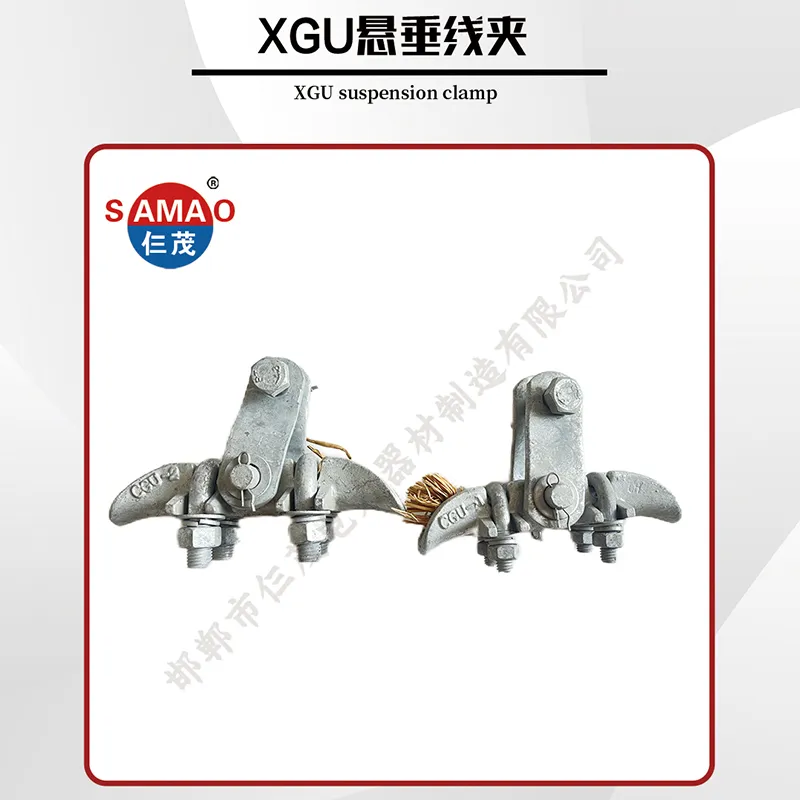
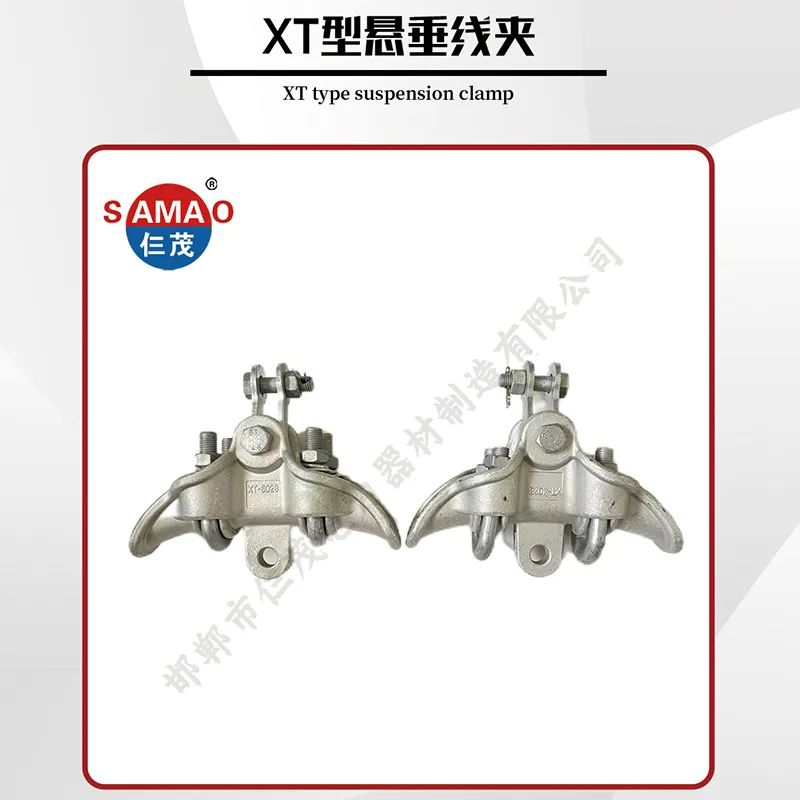
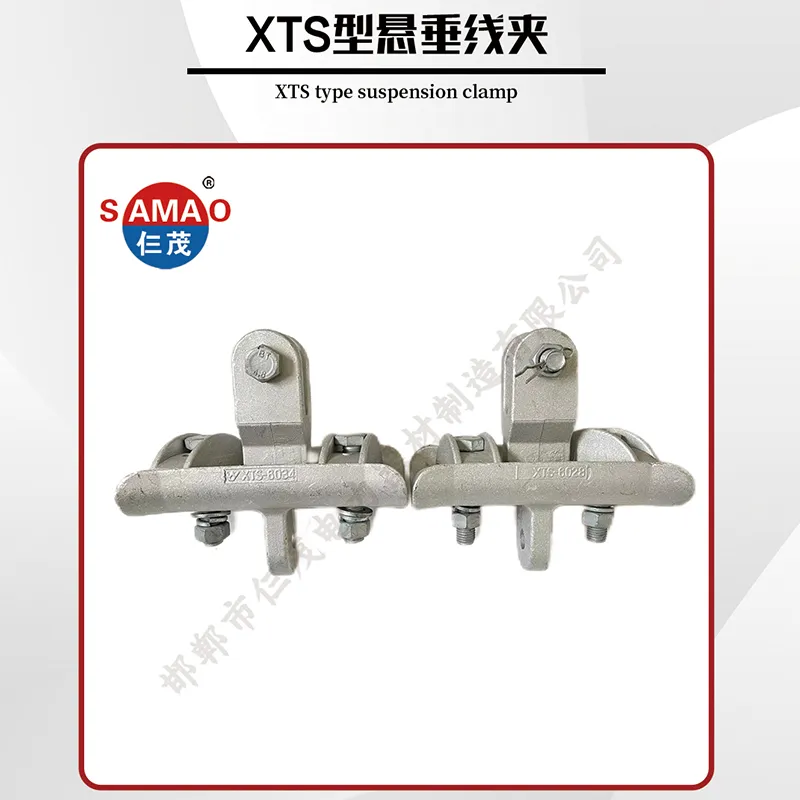
Suspension clamps are sophisticated mechanical devices, and their technical specifications are paramount for ensuring operational integrity and safety. A typical suspension clamp consists of several key components: the clamp body (housing the conductor), the keeper (to secure the conductor within the body), and the associated hardware such as bolts, nuts, and washers. Materials commonly employed include high-strength aluminum alloys, galvanized steel, and ductile iron, chosen based on the required mechanical properties, environmental conditions, and conductor material compatibility.
Specific types cater to different application needs. For instance, the angle suspension clamp is designed for situations where the conductor changes direction, providing robust support at angular deviations. The preformed suspension clamp, often made from preformed helical rods, offers superior protection against fatigue and abrasion by distributing stress evenly over a larger contact area, ideal for critical high-voltage lines. For heavy-duty applications or specific environmental challenges, the steel suspension clamp provides exceptional strength and durability.
Key operational parameters include ultimate tensile strength (UTS), slip strength (the force at which the conductor slips relative to the clamp), and corona performance, especially critical for high-voltage applications to minimize energy loss and radio interference. Adherence to conductor diameter ranges and material compatibility is also critical to prevent galvanic corrosion and ensure a secure, long-lasting connection.
Typical Suspension Clamp Specification Parameters
Manufacturing Process: Precision Engineering for Reliability
The production of a high-quality wholesale suspension clamp involves a meticulously controlled manufacturing process, ensuring each unit meets the rigorous demands of power transmission and distribution.
Manufacturing Process Flow
1. Material Selection & Preparation:
High-grade raw materials (e.g., A356 aluminum ingot, carbon steel billets) are carefully selected based on mechanical properties and corrosion resistance requirements. Materials undergo chemical analysis to confirm composition.
2. Casting or Forging:
For aluminum clamps, precision casting (e.g., sand casting or die casting) creates the basic clamp body and keeper shapes. Steel components often undergo hot forging to enhance grain structure and mechanical strength, followed by trimming and deburring.
3. CNC Machining:
Components are transferred to advanced CNC machining centers for high-precision operations. This includes drilling, tapping, milling, and surface finishing to achieve exact dimensions, smooth conductor contact surfaces, and proper fit for hardware.
4. Heat Treatment (for specific materials):
For certain alloys or steel components, heat treatment processes like annealing, normalizing, or tempering are applied to optimize material hardness, ductility, and overall mechanical performance.
5. Surface Finishing:
Crucial for corrosion resistance and aesthetic appeal. Steel parts typically undergo hot-dip galvanization according to ISO 1461 or ASTM A153. Aluminum components may receive specialized anodizing or passivation treatments.
6. Assembly:
Individual components (clamp body, keeper, bolts, nuts, cotter pins) are assembled, often with specialized tooling to ensure correct torque and alignment. This stage often includes the application of a suitable conductor protective grease.
7. Quality Control & Testing:
Each batch undergoes rigorous testing to meet international standards such as ISO 9001 for quality management, ANSI C119.4 for electrical connectors, and IEC 61284 for overhead line fittings. Tests include ultimate tensile strength, slip strength, hardness, galvanization thickness, and dimensional accuracy. Non-destructive testing (NDT) may also be performed.
8. Packaging & Dispatch:
Products are carefully packaged to prevent damage during transit, ensuring they arrive in optimal condition ready for installation.
The expected service life of a well-manufactured suspension clamp, particularly those made from high-quality galvanized steel or aluminum alloys, can exceed 30-50 years, often matching the lifespan of the transmission line itself, even in harsh environments. This longevity is a direct result of stringent material selection, advanced manufacturing techniques, and comprehensive testing regimes.
Application Scenarios & Technical Advantages
Suspension clamps are indispensable across a wide array of industries, acting as critical points for securing overhead conductors. Their robust design and specialized functions make them ideal for sectors demanding high reliability and safety.
Target Industries:
- Power Transmission & Distribution: The primary user, for securing ACSR, AAAC, and other conductor types on transmission towers and distribution poles.
- Telecommunications: Supporting fiber optic cables and communication lines in aerial installations.
- Railways & Electrified Transport: Essential for catenary systems and overhead power lines for electric trains and trams.
- Urban & Rural Infrastructure: Integrating overhead cabling solutions in challenging urban environments or remote rural areas.
Advantages in Typical Application Scenarios:
- Energy Saving & Reduced Sag: By providing uniform support and effective stress distribution, suspension clamps minimize conductor sag. This reduces the risk of ground clearances being violated and improves transmission efficiency by reducing resistance losses associated with excessive sag, directly contributing to energy savings in large-scale grids.
- Superior Corrosion Resistance: Utilizing hot-dip galvanized steel or specialized aluminum alloys, these clamps offer exceptional resistance to environmental degradation, crucial in coastal regions, industrial zones, or areas with high pollution levels. This extends the service life of both the clamp and the conductor.
- High Mechanical Strength & Load Bearing: Engineered to withstand significant static and dynamic loads, including wind gusts, ice accumulation, and seismic events, ensuring line stability and preventing catastrophic failures. Load capacities are carefully calculated and tested to national and international standards.
- Vibration Dampening: Designs often incorporate features or are used in conjunction with dampers (e.g., Stockbridge dampers) to mitigate aeolian vibration and sub-span oscillation, which are common causes of conductor fatigue and wear at support points. This prolongs the conductor's operational life.
- Ease of Installation & Maintenance: Modern clamp designs prioritize user-friendliness, allowing for quicker and safer installation by line crews. Their robust construction also means fewer maintenance interventions over their operational life, reducing operational costs.
For example, in harsh mountain environments prone to ice accretion, a robust steel suspension clamp ensures the integrity of the line even under extreme loads, preventing costly outages. Similarly, in high-wind coastal areas, an aluminum alloy clamp with excellent corrosion resistance coupled with efficient vibration dampening protects conductors from premature fatigue, ensuring stable power delivery to critical infrastructure like petrochemical facilities or large metallurgical plants.
Vendor Comparison and Selection Criteria
Selecting the right suspension clamp suppliers is a critical decision for any B2B purchaser, directly impacting the long-term reliability and cost-effectiveness of power infrastructure projects. While many manufacturers offer suspension clamps, discerning their true capabilities requires a thorough evaluation beyond mere price points.
Key Factors for Vendor Evaluation:
- Quality Certifications: Verify adherence to international standards like ISO 9001, ISO 14001, OHSAS 18001/ISO 45001. Look for product-specific certifications (e.g., KEMA, UL listed, CE) where applicable.
- Experience & Track Record: Longevity in the industry, portfolio of successful projects, and references from major utility companies or EPC contractors.
- Research & Development (R&D) Capabilities: A vendor actively investing in R&D is more likely to offer innovative solutions, adapt to new conductor technologies, and provide customized designs.
- Customer Support & Technical Expertise: Availability of skilled engineers for pre-sales consultation, technical problem-solving during installation, and robust after-sales support.
- Manufacturing Facilities & Capacity: On-site visits or detailed reports on their manufacturing facilities, including quality control procedures, production capacity, and lead time capabilities.
- Customization & Flexibility: The ability to provide tailored solutions for unique project requirements (e.g., non-standard conductor sizes, extreme environmental conditions).
- Pricing & Total Cost of Ownership (TCO): While initial price is important, consider the TCO, including product lifespan, maintenance costs, and warranty.
Comparison of Suspension Clamp Types
Customized Solutions & Engineering Support
While standard suspension clamps address a broad range of needs, many large-scale infrastructure projects encounter unique challenges that necessitate customized engineering solutions. This is particularly true for specialized conductors, extreme environmental conditions, or innovative tower designs.
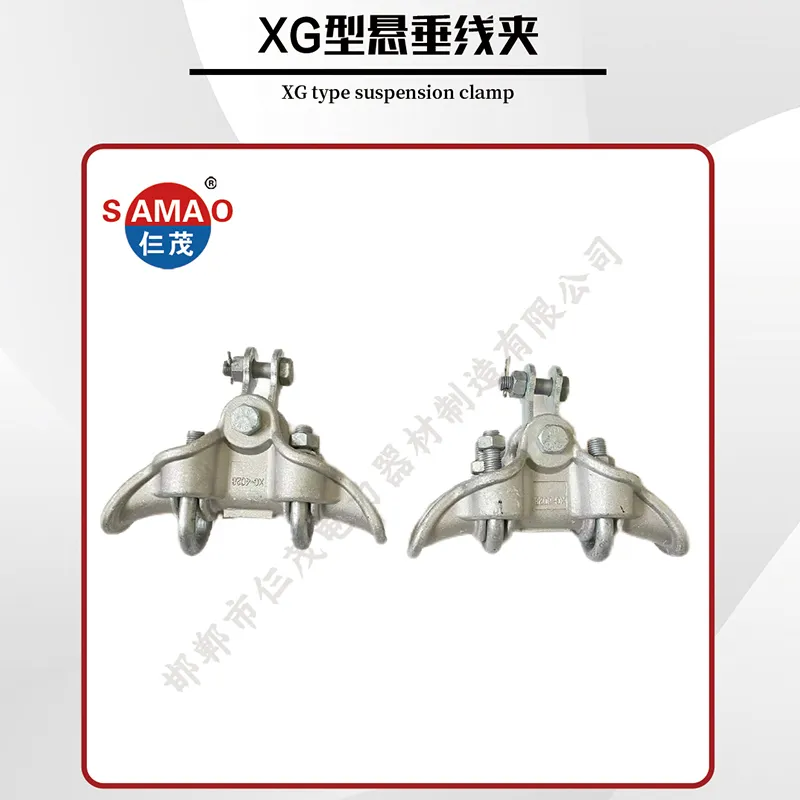
Leading wholesale suspension clamp manufacturers offer extensive customization capabilities. This includes developing clamps for non-standard conductor diameters or shapes, utilizing advanced composite materials for specific lightweight or non-conductive applications, and designing clamps to withstand extraordinary wind, ice, or seismic loads. Customization also extends to surface treatments for highly corrosive atmospheres (e.g., marine environments or industrial chemical zones) and integration with specialized dampening systems.
Effective customized solutions are built on a foundation of robust engineering support. This involves collaborative efforts between the client's engineering teams and the supplier's R&D department. From initial finite element analysis (FEA) and computational fluid dynamics (CFD) modeling to prototyping and rigorous laboratory testing, the process ensures that bespoke designs meet all performance criteria. This level of partnership guarantees optimal solutions that are both technically sound and cost-efficient over the project's lifespan.
Real-World Application Case Studies
The practical impact of high-quality suspension clamps is best demonstrated through successful real-world applications. These case studies highlight not only the technical prowess of the products but also the benefits realized by end-users.
Case Study 1: High-Voltage Transmission Line Upgrade (Southeast Asia)
A major utility in Southeast Asia undertook a project to upgrade a 500 kV transmission line spanning challenging mountainous terrain and river crossings. The existing clamps showed signs of fatigue and corrosion. Our solution involved supplying specialized preformed suspension clamps made from corrosion-resistant aluminum-clad steel, designed to accommodate larger conductor diameters and minimize stress concentration. The new clamps, tested to IEC 61284, significantly enhanced the line's resilience against severe weather conditions and reduced conductor fatigue. Post-installation monitoring showed a 40% reduction in conductor vibration amplitudes and an estimated extension of the line's lifespan by 20 years, contributing to enhanced grid stability and reduced maintenance costs.
Case Study 2: Offshore Wind Farm Interconnection (North Sea)
For an offshore wind farm connecting to the national grid, extreme marine environments demanded superior corrosion resistance and load-bearing capacity. We provided customized steel suspension clamps with enhanced hot-dip galvanization thickness (exceeding standard ISO 1461 requirements) and additional protective coatings. These clamps were designed to withstand continuous exposure to saltwater spray and high wind loads inherent to the North Sea. The project benefited from clamps with a verified 50-year design life, minimizing the need for costly offshore maintenance interventions and ensuring consistent power delivery from the renewable energy source.
Case Study 3: Urban Rail Electrification Project (Major European City)
An urban rail network required robust and reliable suspension points for its new catenary system. The project's constraints included limited installation space and the need for components that could handle dynamic loads from train movements and resist urban pollution. Our company supplied compact yet high-strength ductile iron angle suspension clamps, specifically engineered for the precise angular requirements of the catenary system. The clamps demonstrated excellent fatigue resistance and maintained electrical integrity under continuous operation, contributing to the seamless expansion of the public transport infrastructure and ensuring passenger safety.
Ensuring Trust: Quality, Support, and Guarantees
In the B2B sector, trust is built on demonstrable expertise, experience, and an unwavering commitment to quality and support. As a leading provider of wholesale suspension clamp solutions, our commitment is reflected in every aspect of our operations, from product design to after-sales service.
Authoritativeness & Certifications:
Our products are manufactured under strict adherence to international quality management systems, evidenced by ISO 9001:2015 certification. Our environmental practices conform to ISO 14001, and our occupational health and safety systems meet ISO 45001 standards. We collaborate with internationally recognized testing laboratories for third-party verification of our product performance, ensuring compliance with standards such as ANSI, IEC, and ASTM. With over 20 years of specialized experience in power line hardware, we have successfully partnered with major utility companies and EPC contractors across multiple continents, contributing to critical infrastructure projects worldwide.
Frequently Asked Questions (FAQ):
Q: What is the typical lead time for a bulk order of suspension clamps?
A: Lead times vary depending on the order quantity, product customization, and current production schedule. For standard clamps, typical lead times range from 4-6 weeks. For customized solutions, it may extend to 8-12 weeks, including design and prototyping phases. We provide a detailed lead time estimate upon order confirmation.
Q: What warranty is offered on your suspension clamps?
A: We offer a standard 5-year warranty against manufacturing defects and material failures under normal operating conditions. This warranty reflects our confidence in the quality and durability of our products. Extended warranty options are available for specific projects or high-value orders.
Q: Do you provide technical support during installation?
A: Yes, our dedicated engineering team is available for comprehensive technical support. This includes pre-installation guidance, on-site consultation (if required and feasible), and post-installation troubleshooting. We provide detailed installation manuals and best practice guides to ensure optimal performance and safety.
Q: How do you ensure product compatibility with various conductor types?
A: Our R&D team performs extensive compatibility testing with various conductor materials, including ACSR, AAAC, AAC, and OPGW, to prevent galvanic corrosion and ensure a secure mechanical grip. We use specialized inserts and materials as needed to guarantee optimal performance for each conductor type. Our technical specifications clearly outline compatible conductor ranges.
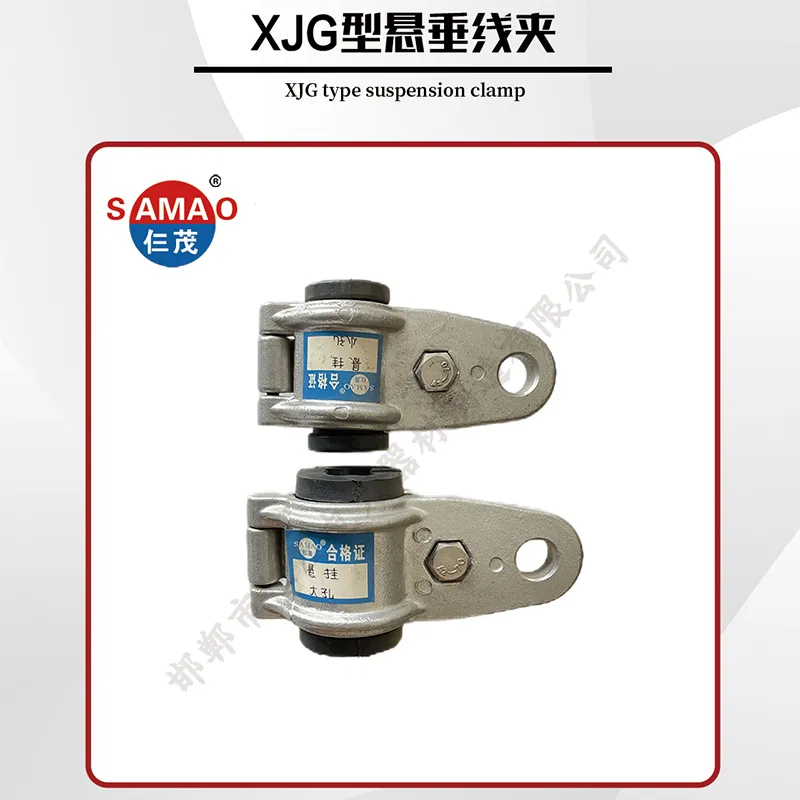
Lead Time & Fulfillment Details:
Our streamlined supply chain and efficient manufacturing processes enable us to fulfill orders promptly. For urgent requirements, we maintain a strategic stock of popular wholesale suspension clamp variants. We provide regular updates on order status and collaborate with reputable logistics partners to ensure timely and secure delivery to project sites globally.
After-Sales Support:
Our commitment extends well beyond the point of sale. We offer ongoing technical consultation, spare parts availability, and support for any post-installation queries or performance evaluations. Our goal is to forge long-term partnerships built on mutual trust and sustained product performance.
Conclusion
The selection and deployment of high-quality suspension clamps are pivotal to the integrity and longevity of power transmission and distribution infrastructure. By understanding the intricate manufacturing processes, technical specifications, and diverse application scenarios, B2B decision-makers can make informed choices that ensure grid reliability, operational efficiency, and long-term cost savings. Partnering with expert suspension clamp suppliers committed to quality, innovation, and comprehensive support is fundamental to the success of any infrastructure project.
References
- International Electrotechnical Commission. IEC 61284: Overhead lines – Requirements and tests for fittings.
- American National Standards Institute. ANSI C119.4: Electric Connectors – Connectors for energized connections – Standard.
- International Organization for Standardization. ISO 9001: Quality management systems – Requirements.
- ASTM International. ASTM A153/A153M: Standard Specification for Zinc Coating (Hot-Dip) on Iron and Steel Hardware.
- CIGRÉ. Overhead Lines. Electra No. 195, April 2001.
-
Laundry Efficiency Guide with pengapit ampaian dengan cangkuk iNewsApr.16,2026
-
Optimizing Power Infrastructure with the pengapit ampaian tnbNewsApr.09,2026
-
Comprehensive Guide to Selecting the Right pengapit penggantungan untuk kabel lt ab SolutionsNewsApr.07,2026
-
Comprehensive Guide to Pengapit Talian Penghantaran for Secure Package DeliveryNewsApr.04,2026
-
Comprehensive Guide to Pemasangan Pengapit Penggantungan for Overhead Cabling SystemsNewsMar.31,2026
-
Comprehensive Guide to Pengapit Ampaian yang Telah Dibentuk for Construction SafetyNewsMar.28,2026
-
Comprehensive Guide to Pengapit Ampaian Besi for Scaffolding SafetyNewsMar.26,2026