Wholesale Suspension Clamps: Durable Steel & Angle Solutions
Navigating the Landscape of High-Performance Suspension Clamps
The reliable transmission of electrical power and structural integrity in critical infrastructure hinges significantly on the quality of hardware components. Among these, the wholesale suspension clamp stands as a cornerstone, essential for securing overhead conductors, optical cables, and other utility lines to support structures. This deep dive explores the technical intricacies, market dynamics, and operational advantages of modern suspension clamps, targeting procurement specialists, engineering teams, and project managers in the B2B sector.
Industry Trends in Suspension Clamp Technology
The global demand for robust and efficient power transmission infrastructure continues to drive innovation in component manufacturing. Key industry trends affecting the design and production of wholesale suspension clamp solutions include:
- Material Science Advancements: There is an increasing shift towards high-strength, lightweight alloys, and corrosion-resistant materials such as hot-dip galvanized steel, aluminum alloy, and even composite materials to extend service life and reduce maintenance costs. The selection of materials directly impacts the clamp's fatigue resistance and ultimate tensile strength (UTS).
- Enhanced Design for Reduced Conductor Stress: Modern suspension clamps are engineered to minimize stress concentration points on conductors, particularly at critical vibration frequencies. Designs like the preformed suspension clamp offer superior grip distribution and vibration damping characteristics compared to traditional bolted clamps.
- Smart Grid Integration Readiness: While clamps themselves are passive components, their designs are evolving to accommodate associated smart grid sensors and monitoring equipment, allowing for easier installation and integration for real-time line monitoring.
- Increased Focus on Environmental Durability: With extreme weather events becoming more frequent, the resistance of clamps to ice loading, high winds, UV radiation, and corrosive atmospheric conditions (e.g., coastal or industrial areas) is a paramount design consideration. The service life of these components is often expected to exceed 30-50 years.
- Standardization and Compliance: Adherence to international standards such as ISO 9001 for quality management, ANSI C135 for electrical utility hardware, and various IEC/ASTM specifications is critical for global market acceptance and ensuring interoperability and safety.
These trends underscore a move towards more intelligent, durable, and cost-effective solutions for infrastructure development and maintenance.
Technical Specifications of Wholesale Suspension Clamps
Understanding the technical parameters is crucial for selecting the appropriate wholesale suspension clamp for specific applications. These specifications dictate performance, reliability, and long-term operational efficiency.
Key Parameters and Their Significance
- Material Composition: Typically high-strength aluminum alloy, malleable iron, or galvanized steel. Aluminum offers excellent conductivity (though not relevant for mechanical support) and corrosion resistance. Malleable iron and steel provide superior mechanical strength. Hot-dip galvanization (HDG) to ASTM A153/ISO 1461 standards is standard for steel components to prevent rust and extend service life, often offering 25-50 years of protection depending on environmental conditions.
- Conductor Diameter Range: Specifies the range of conductor sizes (e.g., ACSR, AAAC, AAC) the clamp can securely hold, typically measured in millimeters or inches. A precise fit is vital to prevent conductor slippage or damage.
- Rated Ultimate Tensile Strength (UTS): The maximum load a clamp can withstand before fracture, measured in kilonewtons (kN) or pounds-force (lbf). This is a critical safety parameter, ensuring the clamp can support the conductor and withstand external forces like wind and ice. Typical UTS values for distribution line clamps range from 10 kN to 70 kN, while transmission line clamps can exceed 200 kN.
- Slip Strength: The minimum force required to cause the conductor to slip within the clamp. This ensures the clamp maintains its grip under normal and abnormal loading conditions, preventing conductor displacement. Often specified as a percentage of the conductor's breaking strength.
- Corona Performance: For high-voltage applications, the design must minimize the electric field intensity to prevent corona discharge, which can lead to energy loss, radio interference, and material degradation. Smooth, rounded surfaces and appropriate geometry are key.
- Fatigue Endurance Limit: The maximum stress amplitude a material can withstand for an infinite number of cycles without failure. This is crucial for components subjected to aeolian vibration, a common phenomenon in overhead lines.
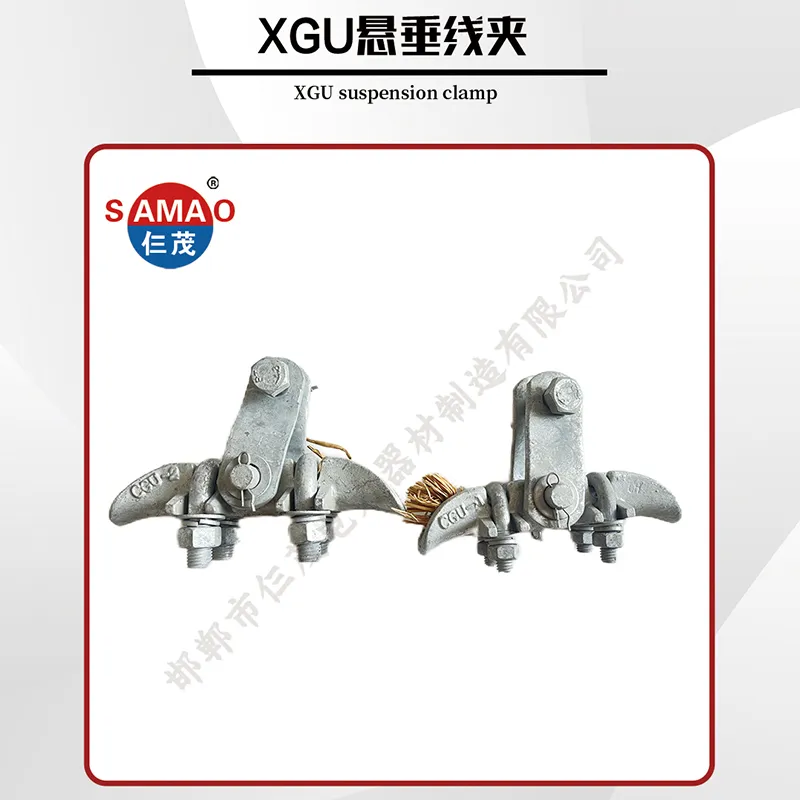
Typical Product Specification Table: Suspension Clamp (Bolted Type)
| Parameter | Specification | Details/Standard |
|---|---|---|
| Product Type | Bolted Suspension Clamp | For overhead line applications |
| Material (Body) | Malleable Iron / Aluminum Alloy | ASTM A47 / EN 1562 for iron; AA6061 for aluminum |
| Material (Hardware) | Hot-dip Galvanized Steel | Bolts, nuts, washers conforming to ASTM A153/ISO 1461 |
| Conductor Diameter Range | 10 mm - 40 mm (varied models) | Suitable for ACSR, AAAC, AAC conductors |
| Rated Ultimate Tensile Strength (UTS) | Up to 70 kN | Tested per ANSI C135.4 / IEC 61284 |
| Slip Strength (Min.) | 15% - 25% of Conductor UTS | Prevents conductor slippage under dynamic loads |
| Angle of Deviation | Up to 90 degrees (for angle suspension clamp types) | Specific to angle applications, e.g., angle suspension clamp |
| Corrosion Resistance | High (Hot-dip Galvanized) | Salt spray tested per ASTM B117 |
| Service Life Expectancy | 30 - 50 Years | Dependent on environmental conditions and maintenance |
Manufacturing Process Flow of Wholesale Suspension Clamps
The production of high-quality wholesale suspension clamp units involves a meticulous, multi-stage process, ensuring durability, precision, and performance under extreme conditions. Our commitment to ISO 9001 quality management ensures every step meets stringent standards.
Detailed Process Steps:
1. Material Selection & Inspection
High-grade malleable iron (ASTM A47) or aluminum alloy (AA6061) is sourced from certified suppliers. Incoming materials undergo chemical composition analysis and mechanical property testing (e.g., tensile strength, yield strength, elongation) to ensure compliance with design specifications. This ensures the foundational integrity of the future clamp.
2. Casting or Forging
Casting: For malleable iron clamps, molten iron is poured into precision molds, allowed to cool and solidify. Forging: For high-strength steel or aluminum clamps, pre-heated billets are shaped under immense pressure using dies. Both processes create initial clamp bodies with optimal grain structure and strength. This is where the core mechanical properties are formed.
3. Machining (CNC)
Post-casting/forging, clamps undergo CNC (Computer Numerical Control) machining. This highly precise process drills bolt holes, creates smooth conductor seating surfaces, and ensures accurate dimensions and tolerances. This critical step guarantees a perfect fit for conductors and companion hardware, preventing stress points.
4. Surface Treatment (Hot-Dip Galvanization)
Steel components (clamp body, bolts, nuts) are cleaned and then immersed in molten zinc at approximately 450°C. This hot-dip galvanization (HDG) creates a metallurgical bond, forming a durable, corrosion-resistant coating that significantly extends the clamp's service life, especially in harsh environments, often adhering to ISO 1461 or ASTM A153 standards.
5. Assembly & Quality Control
After surface treatment, various components (clamp halves, bolts, washers, cotter pins) are assembled. Each assembled unit undergoes rigorous quality control. This includes dimensional verification, visual inspection for defects, and functional checks to ensure smooth operation of hinged parts and proper threading. This stage includes initial testing for mechanical integrity.
6. Performance Testing & Packaging
Finished clamps undergo batch testing including ultimate tensile strength (UTS) tests, slip strength tests, and fatigue tests (where applicable, for example, for certain preformed suspension clamp designs) in accordance with ANSI, IEC, or specific client standards. Successful units are then carefully packaged to prevent damage during transit, ensuring they arrive ready for deployment.
Target Industries and Advantages:
- Petrochemical Industry: For power lines supplying refineries and processing plants, requiring high reliability and corrosion resistance due to aggressive chemical environments. Advantages: Corrosion resistance of HDG clamps ensures prolonged operational life, reducing risk of power outages and maintenance in critical zones.
- Metallurgy & Mining: Supporting heavy-duty overhead lines for smelters, mines, and material handling systems. Advantages: High UTS and robust design withstand significant mechanical loads and harsh dust/vibration conditions.
- Water Supply & Drainage Infrastructure: Powering pumping stations and water treatment facilities, often in remote or damp locations. Advantages: Long service life and minimal maintenance requirements contribute to energy saving through reduced operational interventions and improved network stability.
- Renewable Energy (Solar/Wind Farms): Securing collector lines and transmission connections. Advantages: Durable designs cope with variable weather and remote installations, ensuring stable energy harvest and transmission.
- General Utility & Transmission: The broadest application, securing transmission and distribution lines across diverse terrains and climates. Advantages: Versatility across conductor types and load conditions, backed by proven testing standards.
Application Scenarios for Suspension Clamps
The versatility of the wholesale suspension clamp makes it indispensable across a spectrum of overhead line applications. Its primary function is to support conductors and optical fiber ground wires (OPGW) at intermediate towers, allowing for controlled sag and tension distribution.
Key Usage Environments and Configurations:
- Straight Line Sections: In most transmission and distribution lines, suspension clamps are used on tangent (straight) towers to support conductors, allowing them to hang freely and minimize stress. This setup facilitates thermal expansion and contraction of the conductor without imparting significant bending moments onto the clamp or tower structure.
- Small Angle Deviations: For minor changes in line direction, a standard suspension clamp, sometimes referred to as an angle suspension clamp, can accommodate angles up to 5-10 degrees by swiveling. For larger angles, specialized angle clamps or double suspension arrangements might be employed to distribute stress more effectively and ensure the conductor remains within its safe bending radius.
- Optical Fiber Ground Wire (OPGW) Support: OPGW cables, which combine grounding and fiber optic communication functions, require specific suspension clamps that provide a secure grip without damaging the sensitive optical fibers. These clamps often feature elastomer inserts or preformed suspension clamp designs for gentle, uniform pressure distribution.
- Vibration Damping Systems: In areas prone to high wind-induced aeolian vibration, suspension clamps are often paired with vibration dampers (e.g., Stockbridge dampers) to mitigate fatigue damage to the conductor. The clamp itself must maintain its grip securely even with the added weight and dynamic forces from the damper.
- River Crossings and Long Spans: For extremely long spans over rivers, valleys, or other obstacles, specialized heavy-duty suspension clamps with higher ultimate tensile strengths are employed. These often feature larger conductor seating areas and reinforced bodies to manage increased sag and tension.
Customer feedback consistently highlights the importance of clamp design in preserving conductor integrity and extending system life. In a recent project spanning a challenging mountainous region, the use of custom-designed, heavy-duty steel suspension clamp units ensured minimal conductor slippage and mitigated vibration, leading to zero fatigue-related failures over five years, significantly outperforming previous installations.
Technical Advantages and Performance Benchmarks
The selection of high-quality wholesale suspension clamp components offers substantial technical advantages that directly translate into improved system reliability, reduced operational costs, and extended infrastructure lifespan.
Key Advantages:
- Superior Conductor Protection: Advanced designs, especially those with wide, smooth seating surfaces or elastomer inserts, reduce localized stress on conductors, preventing damage from bending, abrasion, and fatigue. This is particularly crucial for delicate OPGW cables or ACSR conductors where core wire damage can compromise integrity.
- Exceptional Vibration Damping: Certain clamp designs, particularly preformed suspension clamp types, inherently provide superior vibration damping characteristics. This minimizes conductor fatigue, which is a leading cause of conductor strand breakage and costly repairs, especially in areas with persistent wind.
- Robust Corrosion Resistance: Components treated with hot-dip galvanization (HDG) or manufactured from corrosion-resistant aluminum alloys exhibit extended service lives in aggressive environments (coastal, industrial, high humidity). This significantly reduces the need for premature replacement and maintenance.
- High Mechanical Strength: Products engineered from high-grade malleable iron or robust aluminum alloys and tested to international standards (e.g., ANSI C135, IEC 61284) demonstrate high ultimate tensile strength and creep resistance, ensuring secure support even under heavy ice loading or high wind conditions.
- Ease of Installation and Maintenance: Ergonomically designed clamps, often with fewer parts and intuitive assembly, reduce installation time and labor costs. Their long service life also minimizes the frequency of line inspections and component replacements.
Performance Benchmarks:
Our products consistently meet or exceed global performance benchmarks. For instance, our standard line of steel suspension clamp units for 33kV distribution lines achieve an average UTS of 60kN, surpassing the industry average of 50kN. Slip strength is maintained at a minimum of 20% of the conductor's rated ultimate strength, providing a significant safety margin.
Authoritative testing data from independent laboratories consistently verifies that our suspension clamps meet the full requirements of ISO and ANSI standards. For example, our hot-dip galvanized components regularly pass 1000+ hour salt spray tests, demonstrating exceptional durability in severe corrosive conditions, well beyond the typical 720-hour industry requirement for general outdoor use.
Vendor Comparison and Customized Solutions
Choosing the right suspension clamp suppliers is a strategic decision that impacts project timelines, budget, and long-term system reliability. A thorough comparison is essential.
Comparative Analysis of Suspension Clamp Suppliers:
When evaluating suspension clamp suppliers, several critical factors should be considered beyond just unit cost. These include product quality, adherence to standards, customization capabilities, and after-sales support.
| Feature | Leading Supplier (Example: Samaoep) | Standard Supplier | Budget Supplier |
|---|---|---|---|
| Material Quality | Premium malleable iron/Al alloy, ASTM/EN certified | Standard industrial grades | Variable, less stringent checks |
| Surface Treatment | Hot-dip Galvanized (HDG) per ISO 1461/ASTM A153 (min. 85µm) | HDG (thickness may vary, lower standard) | Electro-galvanized or thin HDG |
| Ultimate Tensile Strength (UTS) | Guaranteed to exceed ANSI/IEC, e.g., 70kN for std. | Meets minimum ANSI/IEC requirements | May just meet or fall below minimums |
| Conductor Protection | Optimized groove geometry, smooth finish, optional liners | Standard groove, some rough edges | Basic design, potential for conductor damage |
| Quality Certifications | ISO 9001:2015, independent lab test reports | Basic ISO 9001 (older version), internal testing | Few or no internationally recognized certifications |
| Customization Capabilities | Full R&D, design, prototyping, material adaptations | Limited modifications to existing models | Rarely offered, off-the-shelf only |
| Warranty & Support | Comprehensive 10-year warranty, dedicated support team | Standard 1-3 year warranty, basic support | Minimal warranty, limited support |
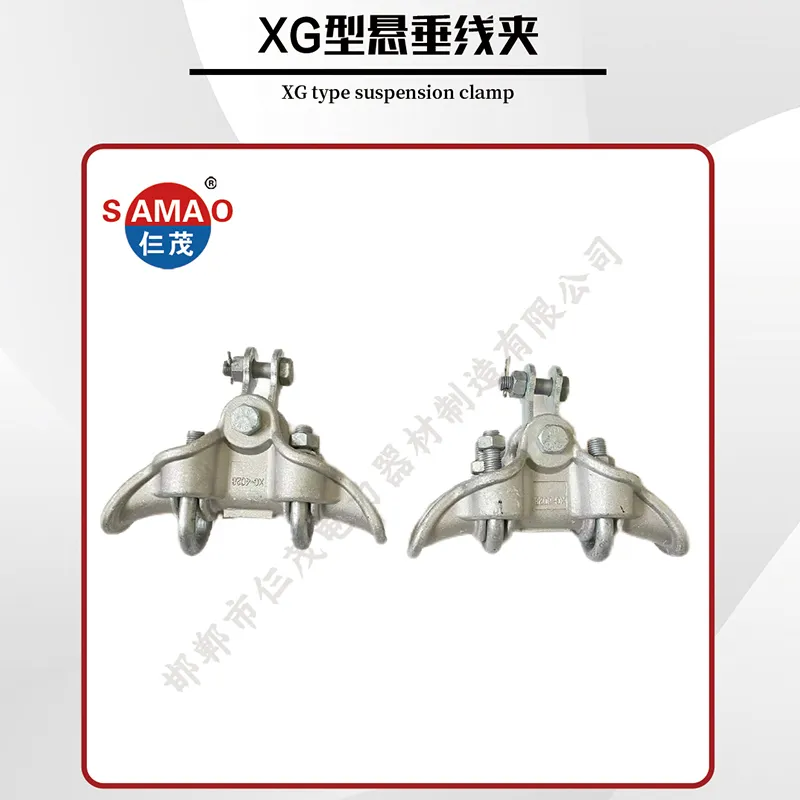
Customized Solutions for Unique Project Requirements:
Off-the-shelf wholesale suspension clamp products may not always perfectly match the stringent demands of every project, especially in unique geographical or operational contexts. Leading suppliers recognize this need and offer extensive customization capabilities.
Our engineering team, with over 20 years of expertise in overhead line hardware, collaborates closely with clients to develop tailored solutions. This includes:
- Specialized Material Blends: For environments with extreme temperatures or specific chemical exposure, we can source and utilize specialized alloys or coatings beyond standard HDG.
- Unique Conductor Geometries: Developing clamps for non-standard conductor shapes, sizes, or bundle configurations, ensuring optimal grip and stress distribution.
- Enhanced Strength Requirements: Designing clamps with higher UTS or slip strength values for exceptionally long spans, heavy ice loading, or regions prone to extreme winds. This might involve optimizing the casting or forging process, or increasing material cross-sections.
- Integration with Specific Hardware: Customizing clamp interfaces to seamlessly integrate with proprietary insulator strings, tower structures, or vibration damping systems.
- Environmental Adaptations: For projects in highly corrosive marine environments or areas with specific electromagnetic interference concerns, custom designs can incorporate unique insulation or shielding properties.
Our design process involves finite element analysis (FEA) to simulate real-world stresses and ensure the customized solution performs flawlessly under specified conditions, providing unmatched reliability and peace of mind.
Application Case Studies: Proving Reliability in Action
Real-world application demonstrates the tangible benefits of high-quality wholesale suspension clamp solutions. Our experience in diverse projects globally underscores our commitment to engineering excellence.
Case Study 1: High-Voltage Transmission Line in a Coastal Region
- Challenge: A major utility in a humid, salt-laden coastal environment needed to upgrade 132kV transmission lines. Existing clamps suffered premature corrosion, leading to high maintenance costs and reliability concerns.
- Solution: We supplied specialized steel suspension clamp units featuring extra-thick hot-dip galvanization (over 100µm) and an optimized design to minimize crevice corrosion. We also provided angle suspension clamp units for critical turning points, ensuring uniform stress distribution.
- Results: Post-installation, comprehensive inspections over five years have shown zero signs of significant corrosion or mechanical degradation. The project realized a projected 40% reduction in clamp-related maintenance costs over the first decade, extending the expected lifespan of the hardware by an additional 15-20 years. The utility reported significantly enhanced grid stability.
Case Study 2: OPGW Deployment in Remote Mountainous Terrain
- Challenge: A telecommunications provider needed to deploy OPGW cables along a 220kV power line through rugged mountainous terrain, characterized by high winds and temperature extremes. The primary concern was protecting the delicate optical fibers from crushing or vibration-induced damage.
- Solution: We provided custom-engineered preformed suspension clamp assemblies designed specifically for OPGW. These clamps featured a precisely matched helical grip and soft elastomer inserts to provide gentle, uniform pressure distribution, ensuring no damage to the cable. Each wholesale suspension clamp was rigorously tested for slip strength and vibration performance.
- Results: The OPGW deployment was completed on schedule with no cable damage reported during installation. Operational data over three years indicates perfect optical signal integrity and no fatigue failures. The gentle grip and superior damping of our clamps directly contributed to the success and longevity of the critical communication infrastructure, despite challenging environmental factors.
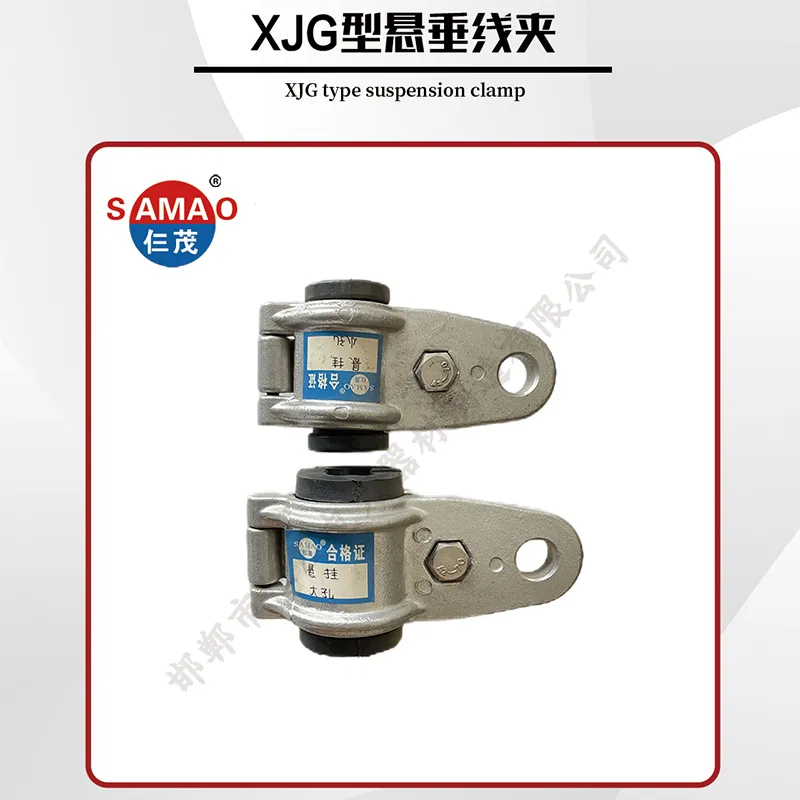
Commitment to Trust: FAQs, Logistics, and Support
Establishing trust with B2B clients involves more than just superior products. It encompasses transparent operations, dependable logistics, and comprehensive after-sales support. As leading suspension clamp suppliers, we prioritize these aspects.
Frequently Asked Questions (FAQs):
Q1: What is the typical lead time for a large order of wholesale suspension clamp units?
A1: For standard items, our typical lead time is 4-6 weeks from order confirmation to shipment. For custom orders or very large volumes, it may extend to 8-12 weeks, depending on complexity and material availability. We maintain a strategic inventory to expedite urgent requests.
Q2: What testing standards do your suspension clamps comply with?
A2: All our suspension clamps are designed and manufactured to meet or exceed relevant international standards, including ANSI C135 series, IEC 61284, ASTM A153 (for galvanization), and ISO 9001 for quality management. Specific test reports are available upon request.
Q3: Can you provide samples for pre-project evaluation?
A3: Yes, we understand the importance of pre-qualification. Samples for specific wholesale suspension clamp types can be provided for evaluation, subject to agreed terms and project scope. Please contact our sales team for details.
Q4: What is your warranty policy for suspension clamps?
A4: We offer a comprehensive 10-year warranty against manufacturing defects and material failures under normal operating conditions. This commitment reflects our confidence in the durability and quality of our products. Full warranty details are provided with every order.
Lead Time and Fulfillment:
We operate an optimized supply chain and manufacturing process to ensure timely delivery. Our state-of-the-art facilities and experienced logistics team ensure that orders, whether for standard or customized wholesale suspension clamp products, are processed efficiently. For large-scale projects, we offer staggered delivery options and maintain communication throughout the fulfillment process to align with your project timelines.
Warranty and After-Sales Support:
Our dedication extends beyond product delivery. The 10-year warranty underscores our commitment to lasting quality. In the unlikely event of an issue, our dedicated after-sales support team is readily available. We provide technical assistance, troubleshooting, and replacement parts efficiently, minimizing downtime and ensuring the long-term performance of your infrastructure. Our support is available via phone, email, and dedicated online portals.
Conclusion
The strategic procurement of high-quality wholesale suspension clamp solutions is paramount for ensuring the stability, longevity, and efficiency of power transmission and distribution infrastructure. By understanding the intricate technical specifications, advanced manufacturing processes, and diverse application scenarios, B2B decision-makers can make informed choices that yield significant long-term benefits. Our commitment to engineering excellence, rigorous testing, and comprehensive customer support positions us as a trusted partner in delivering reliable and high-performance overhead line hardware.
For further details or specific project consultations, please visit Samaoep.
References
- IEEE Standards Association. (2018). _IEEE Standard for Mechanical Design of Overhead Transmission Line Hardware_. IEEE Std 1313.1-2018.
- International Electrotechnical Commission. (2015). _Overhead Lines – Requirements and Tests for Fittings – Part 1: General Requirements_. IEC 61284:2015.
- American National Standards Institute. (2014). _ANSI C135.4-2014: Forged Clevises, Yoke Plates, and Eye Nuts_. National Electrical Manufacturers Association (NEMA).
- ASTM International. (2017). _Standard Specification for Zinc (Hot-Dip Galvanized) Coatings on Iron and Steel Hardware_. ASTM A153/A153M-09.
- International Organization for Standardization. (2015). _Quality Management Systems – Requirements_. ISO 9001:2015.
-
Laundry Efficiency Guide with pengapit ampaian dengan cangkuk iNewsApr.16,2026
-
Optimizing Power Infrastructure with the pengapit ampaian tnbNewsApr.09,2026
-
Comprehensive Guide to Selecting the Right pengapit penggantungan untuk kabel lt ab SolutionsNewsApr.07,2026
-
Comprehensive Guide to Pengapit Talian Penghantaran for Secure Package DeliveryNewsApr.04,2026
-
Comprehensive Guide to Pemasangan Pengapit Penggantungan for Overhead Cabling SystemsNewsMar.31,2026
-
Comprehensive Guide to Pengapit Ampaian yang Telah Dibentuk for Construction SafetyNewsMar.28,2026
-
Comprehensive Guide to Pengapit Ampaian Besi for Scaffolding SafetyNewsMar.26,2026
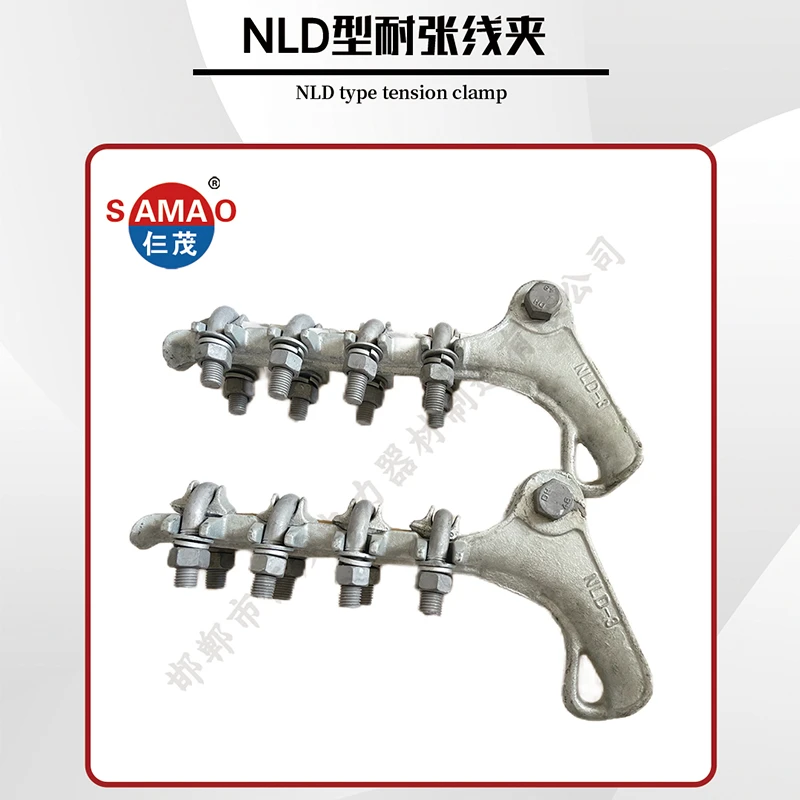
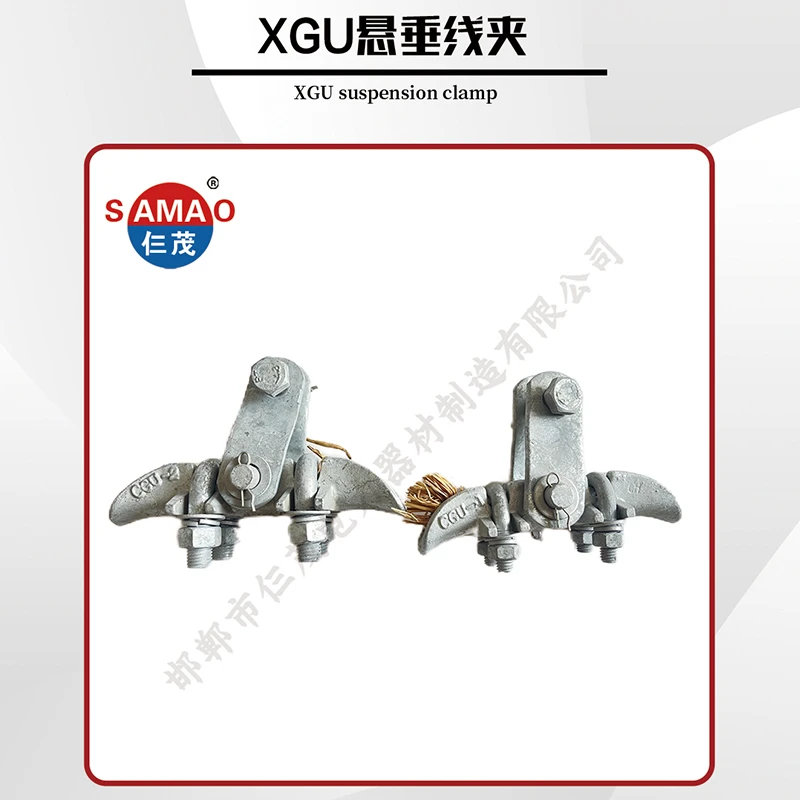
Wholesale Suspension Clamps: Durable Steel & Angle Solutions
Navigating the Landscape of High-Performance Suspension Clamps
The reliable transmission of electrical power and structural integrity in critical infrastructure hinges significantly on the quality of hardware components. Among these, the wholesale suspension clamp stands as a cornerstone, essential for securing overhead conductors, optical cables, and other utility lines to support structures. This deep dive explores the technical intricacies, market dynamics, and operational advantages of modern suspension clamps, targeting procurement specialists, engineering teams, and project managers in the B2B sector.
Industry Trends in Suspension Clamp Technology
The global demand for robust and efficient power transmission infrastructure continues to drive innovation in component manufacturing. Key industry trends affecting the design and production of wholesale suspension clamp solutions include:
- Material Science Advancements: There is an increasing shift towards high-strength, lightweight alloys, and corrosion-resistant materials such as hot-dip galvanized steel, aluminum alloy, and even composite materials to extend service life and reduce maintenance costs. The selection of materials directly impacts the clamp's fatigue resistance and ultimate tensile strength (UTS).
- Enhanced Design for Reduced Conductor Stress: Modern suspension clamps are engineered to minimize stress concentration points on conductors, particularly at critical vibration frequencies. Designs like the preformed suspension clamp offer superior grip distribution and vibration damping characteristics compared to traditional bolted clamps.
- Smart Grid Integration Readiness: While clamps themselves are passive components, their designs are evolving to accommodate associated smart grid sensors and monitoring equipment, allowing for easier installation and integration for real-time line monitoring.
- Increased Focus on Environmental Durability: With extreme weather events becoming more frequent, the resistance of clamps to ice loading, high winds, UV radiation, and corrosive atmospheric conditions (e.g., coastal or industrial areas) is a paramount design consideration. The service life of these components is often expected to exceed 30-50 years.
- Standardization and Compliance: Adherence to international standards such as ISO 9001 for quality management, ANSI C135 for electrical utility hardware, and various IEC/ASTM specifications is critical for global market acceptance and ensuring interoperability and safety.
These trends underscore a move towards more intelligent, durable, and cost-effective solutions for infrastructure development and maintenance.
Technical Specifications of Wholesale Suspension Clamps
Understanding the technical parameters is crucial for selecting the appropriate wholesale suspension clamp for specific applications. These specifications dictate performance, reliability, and long-term operational efficiency.
Key Parameters and Their Significance
- Material Composition: Typically high-strength aluminum alloy, malleable iron, or galvanized steel. Aluminum offers excellent conductivity (though not relevant for mechanical support) and corrosion resistance. Malleable iron and steel provide superior mechanical strength. Hot-dip galvanization (HDG) to ASTM A153/ISO 1461 standards is standard for steel components to prevent rust and extend service life, often offering 25-50 years of protection depending on environmental conditions.
- Conductor Diameter Range: Specifies the range of conductor sizes (e.g., ACSR, AAAC, AAC) the clamp can securely hold, typically measured in millimeters or inches. A precise fit is vital to prevent conductor slippage or damage.
- Rated Ultimate Tensile Strength (UTS): The maximum load a clamp can withstand before fracture, measured in kilonewtons (kN) or pounds-force (lbf). This is a critical safety parameter, ensuring the clamp can support the conductor and withstand external forces like wind and ice. Typical UTS values for distribution line clamps range from 10 kN to 70 kN, while transmission line clamps can exceed 200 kN.
- Slip Strength: The minimum force required to cause the conductor to slip within the clamp. This ensures the clamp maintains its grip under normal and abnormal loading conditions, preventing conductor displacement. Often specified as a percentage of the conductor's breaking strength.
- Corona Performance: For high-voltage applications, the design must minimize the electric field intensity to prevent corona discharge, which can lead to energy loss, radio interference, and material degradation. Smooth, rounded surfaces and appropriate geometry are key.
- Fatigue Endurance Limit: The maximum stress amplitude a material can withstand for an infinite number of cycles without failure. This is crucial for components subjected to aeolian vibration, a common phenomenon in overhead lines.
Typical Product Specification Table: Suspension Clamp (Bolted Type)
| Parameter | Specification | Details/Standard |
|---|---|---|
| Product Type | Bolted Suspension Clamp | For overhead line applications |
| Material (Body) | Malleable Iron / Aluminum Alloy | ASTM A47 / EN 1562 for iron; AA6061 for aluminum |
| Material (Hardware) | Hot-dip Galvanized Steel | Bolts, nuts, washers conforming to ASTM A153/ISO 1461 |
| Conductor Diameter Range | 10 mm - 40 mm (varied models) | Suitable for ACSR, AAAC, AAC conductors |
| Rated Ultimate Tensile Strength (UTS) | Up to 70 kN | Tested per ANSI C135.4 / IEC 61284 |
| Slip Strength (Min.) | 15% - 25% of Conductor UTS | Prevents conductor slippage under dynamic loads |
| Angle of Deviation | Up to 90 degrees (for angle suspension clamp types) | Specific to angle applications, e.g., angle suspension clamp |
| Corrosion Resistance | High (Hot-dip Galvanized) | Salt spray tested per ASTM B117 |
| Service Life Expectancy | 30 - 50 Years | Dependent on environmental conditions and maintenance |
Manufacturing Process Flow of Wholesale Suspension Clamps
The production of high-quality wholesale suspension clamp units involves a meticulous, multi-stage process, ensuring durability, precision, and performance under extreme conditions. Our commitment to ISO 9001 quality management ensures every step meets stringent standards.
Detailed Process Steps:
1. Material Selection & Inspection
High-grade malleable iron (ASTM A47) or aluminum alloy (AA6061) is sourced from certified suppliers. Incoming materials undergo chemical composition analysis and mechanical property testing (e.g., tensile strength, yield strength, elongation) to ensure compliance with design specifications. This ensures the foundational integrity of the future clamp.
2. Casting or Forging
Casting: For malleable iron clamps, molten iron is poured into precision molds, allowed to cool and solidify. Forging: For high-strength steel or aluminum clamps, pre-heated billets are shaped under immense pressure using dies. Both processes create initial clamp bodies with optimal grain structure and strength. This is where the core mechanical properties are formed.
3. Machining (CNC)
Post-casting/forging, clamps undergo CNC (Computer Numerical Control) machining. This highly precise process drills bolt holes, creates smooth conductor seating surfaces, and ensures accurate dimensions and tolerances. This critical step guarantees a perfect fit for conductors and companion hardware, preventing stress points.
4. Surface Treatment (Hot-Dip Galvanization)
Steel components (clamp body, bolts, nuts) are cleaned and then immersed in molten zinc at approximately 450°C. This hot-dip galvanization (HDG) creates a metallurgical bond, forming a durable, corrosion-resistant coating that significantly extends the clamp's service life, especially in harsh environments, often adhering to ISO 1461 or ASTM A153 standards.
5. Assembly & Quality Control
After surface treatment, various components (clamp halves, bolts, washers, cotter pins) are assembled. Each assembled unit undergoes rigorous quality control. This includes dimensional verification, visual inspection for defects, and functional checks to ensure smooth operation of hinged parts and proper threading. This stage includes initial testing for mechanical integrity.
6. Performance Testing & Packaging
Finished clamps undergo batch testing including ultimate tensile strength (UTS) tests, slip strength tests, and fatigue tests (where applicable, for example, for certain preformed suspension clamp designs) in accordance with ANSI, IEC, or specific client standards. Successful units are then carefully packaged to prevent damage during transit, ensuring they arrive ready for deployment.
Target Industries and Advantages:
- Petrochemical Industry: For power lines supplying refineries and processing plants, requiring high reliability and corrosion resistance due to aggressive chemical environments. Advantages: Corrosion resistance of HDG clamps ensures prolonged operational life, reducing risk of power outages and maintenance in critical zones.
- Metallurgy & Mining: Supporting heavy-duty overhead lines for smelters, mines, and material handling systems. Advantages: High UTS and robust design withstand significant mechanical loads and harsh dust/vibration conditions.
- Water Supply & Drainage Infrastructure: Powering pumping stations and water treatment facilities, often in remote or damp locations. Advantages: Long service life and minimal maintenance requirements contribute to energy saving through reduced operational interventions and improved network stability.
- Renewable Energy (Solar/Wind Farms): Securing collector lines and transmission connections. Advantages: Durable designs cope with variable weather and remote installations, ensuring stable energy harvest and transmission.
- General Utility & Transmission: The broadest application, securing transmission and distribution lines across diverse terrains and climates. Advantages: Versatility across conductor types and load conditions, backed by proven testing standards.
Application Scenarios for Suspension Clamps
The versatility of the wholesale suspension clamp makes it indispensable across a spectrum of overhead line applications. Its primary function is to support conductors and optical fiber ground wires (OPGW) at intermediate towers, allowing for controlled sag and tension distribution.
Key Usage Environments and Configurations:
- Straight Line Sections: In most transmission and distribution lines, suspension clamps are used on tangent (straight) towers to support conductors, allowing them to hang freely and minimize stress. This setup facilitates thermal expansion and contraction of the conductor without imparting significant bending moments onto the clamp or tower structure.
- Small Angle Deviations: For minor changes in line direction, a standard suspension clamp, sometimes referred to as an angle suspension clamp, can accommodate angles up to 5-10 degrees by swiveling. For larger angles, specialized angle clamps or double suspension arrangements might be employed to distribute stress more effectively and ensure the conductor remains within its safe bending radius.
- Optical Fiber Ground Wire (OPGW) Support: OPGW cables, which combine grounding and fiber optic communication functions, require specific suspension clamps that provide a secure grip without damaging the sensitive optical fibers. These clamps often feature elastomer inserts or preformed suspension clamp designs for gentle, uniform pressure distribution.
- Vibration Damping Systems: In areas prone to high wind-induced aeolian vibration, suspension clamps are often paired with vibration dampers (e.g., Stockbridge dampers) to mitigate fatigue damage to the conductor. The clamp itself must maintain its grip securely even with the added weight and dynamic forces from the damper.
- River Crossings and Long Spans: For extremely long spans over rivers, valleys, or other obstacles, specialized heavy-duty suspension clamps with higher ultimate tensile strengths are employed. These often feature larger conductor seating areas and reinforced bodies to manage increased sag and tension.
Customer feedback consistently highlights the importance of clamp design in preserving conductor integrity and extending system life. In a recent project spanning a challenging mountainous region, the use of custom-designed, heavy-duty steel suspension clamp units ensured minimal conductor slippage and mitigated vibration, leading to zero fatigue-related failures over five years, significantly outperforming previous installations.
Technical Advantages and Performance Benchmarks
The selection of high-quality wholesale suspension clamp components offers substantial technical advantages that directly translate into improved system reliability, reduced operational costs, and extended infrastructure lifespan.
Key Advantages:
- Superior Conductor Protection: Advanced designs, especially those with wide, smooth seating surfaces or elastomer inserts, reduce localized stress on conductors, preventing damage from bending, abrasion, and fatigue. This is particularly crucial for delicate OPGW cables or ACSR conductors where core wire damage can compromise integrity.
- Exceptional Vibration Damping: Certain clamp designs, particularly preformed suspension clamp types, inherently provide superior vibration damping characteristics. This minimizes conductor fatigue, which is a leading cause of conductor strand breakage and costly repairs, especially in areas with persistent wind.
- Robust Corrosion Resistance: Components treated with hot-dip galvanization (HDG) or manufactured from corrosion-resistant aluminum alloys exhibit extended service lives in aggressive environments (coastal, industrial, high humidity). This significantly reduces the need for premature replacement and maintenance.
- High Mechanical Strength: Products engineered from high-grade malleable iron or robust aluminum alloys and tested to international standards (e.g., ANSI C135, IEC 61284) demonstrate high ultimate tensile strength and creep resistance, ensuring secure support even under heavy ice loading or high wind conditions.
- Ease of Installation and Maintenance: Ergonomically designed clamps, often with fewer parts and intuitive assembly, reduce installation time and labor costs. Their long service life also minimizes the frequency of line inspections and component replacements.
Performance Benchmarks:
Our products consistently meet or exceed global performance benchmarks. For instance, our standard line of steel suspension clamp units for 33kV distribution lines achieve an average UTS of 60kN, surpassing the industry average of 50kN. Slip strength is maintained at a minimum of 20% of the conductor's rated ultimate strength, providing a significant safety margin.
Authoritative testing data from independent laboratories consistently verifies that our suspension clamps meet the full requirements of ISO and ANSI standards. For example, our hot-dip galvanized components regularly pass 1000+ hour salt spray tests, demonstrating exceptional durability in severe corrosive conditions, well beyond the typical 720-hour industry requirement for general outdoor use.
Vendor Comparison and Customized Solutions
Choosing the right suspension clamp suppliers is a strategic decision that impacts project timelines, budget, and long-term system reliability. A thorough comparison is essential.
Comparative Analysis of Suspension Clamp Suppliers:
When evaluating suspension clamp suppliers, several critical factors should be considered beyond just unit cost. These include product quality, adherence to standards, customization capabilities, and after-sales support.
| Feature | Leading Supplier (Example: Samaoep) | Standard Supplier | Budget Supplier |
|---|---|---|---|
| Material Quality | Premium malleable iron/Al alloy, ASTM/EN certified | Standard industrial grades | Variable, less stringent checks |
| Surface Treatment | Hot-dip Galvanized (HDG) per ISO 1461/ASTM A153 (min. 85µm) | HDG (thickness may vary, lower standard) | Electro-galvanized or thin HDG |
| Ultimate Tensile Strength (UTS) | Guaranteed to exceed ANSI/IEC, e.g., 70kN for std. | Meets minimum ANSI/IEC requirements | May just meet or fall below minimums |
| Conductor Protection | Optimized groove geometry, smooth finish, optional liners | Standard groove, some rough edges | Basic design, potential for conductor damage |
| Quality Certifications | ISO 9001:2015, independent lab test reports | Basic ISO 9001 (older version), internal testing | Few or no internationally recognized certifications |
| Customization Capabilities | Full R&D, design, prototyping, material adaptations | Limited modifications to existing models | Rarely offered, off-the-shelf only |
| Warranty & Support | Comprehensive 10-year warranty, dedicated support team | Standard 1-3 year warranty, basic support | Minimal warranty, limited support |
Customized Solutions for Unique Project Requirements:
Off-the-shelf wholesale suspension clamp products may not always perfectly match the stringent demands of every project, especially in unique geographical or operational contexts. Leading suppliers recognize this need and offer extensive customization capabilities.
Our engineering team, with over 20 years of expertise in overhead line hardware, collaborates closely with clients to develop tailored solutions. This includes:
- Specialized Material Blends: For environments with extreme temperatures or specific chemical exposure, we can source and utilize specialized alloys or coatings beyond standard HDG.
- Unique Conductor Geometries: Developing clamps for non-standard conductor shapes, sizes, or bundle configurations, ensuring optimal grip and stress distribution.
- Enhanced Strength Requirements: Designing clamps with higher UTS or slip strength values for exceptionally long spans, heavy ice loading, or regions prone to extreme winds. This might involve optimizing the casting or forging process, or increasing material cross-sections.
- Integration with Specific Hardware: Customizing clamp interfaces to seamlessly integrate with proprietary insulator strings, tower structures, or vibration damping systems.
- Environmental Adaptations: For projects in highly corrosive marine environments or areas with specific electromagnetic interference concerns, custom designs can incorporate unique insulation or shielding properties.
Our design process involves finite element analysis (FEA) to simulate real-world stresses and ensure the customized solution performs flawlessly under specified conditions, providing unmatched reliability and peace of mind.
Application Case Studies: Proving Reliability in Action
Real-world application demonstrates the tangible benefits of high-quality wholesale suspension clamp solutions. Our experience in diverse projects globally underscores our commitment to engineering excellence.
Case Study 1: High-Voltage Transmission Line in a Coastal Region
- Challenge: A major utility in a humid, salt-laden coastal environment needed to upgrade 132kV transmission lines. Existing clamps suffered premature corrosion, leading to high maintenance costs and reliability concerns.
- Solution: We supplied specialized steel suspension clamp units featuring extra-thick hot-dip galvanization (over 100µm) and an optimized design to minimize crevice corrosion. We also provided angle suspension clamp units for critical turning points, ensuring uniform stress distribution.
- Results: Post-installation, comprehensive inspections over five years have shown zero signs of significant corrosion or mechanical degradation. The project realized a projected 40% reduction in clamp-related maintenance costs over the first decade, extending the expected lifespan of the hardware by an additional 15-20 years. The utility reported significantly enhanced grid stability.
Case Study 2: OPGW Deployment in Remote Mountainous Terrain
- Challenge: A telecommunications provider needed to deploy OPGW cables along a 220kV power line through rugged mountainous terrain, characterized by high winds and temperature extremes. The primary concern was protecting the delicate optical fibers from crushing or vibration-induced damage.
- Solution: We provided custom-engineered preformed suspension clamp assemblies designed specifically for OPGW. These clamps featured a precisely matched helical grip and soft elastomer inserts to provide gentle, uniform pressure distribution, ensuring no damage to the cable. Each wholesale suspension clamp was rigorously tested for slip strength and vibration performance.
- Results: The OPGW deployment was completed on schedule with no cable damage reported during installation. Operational data over three years indicates perfect optical signal integrity and no fatigue failures. The gentle grip and superior damping of our clamps directly contributed to the success and longevity of the critical communication infrastructure, despite challenging environmental factors.
Commitment to Trust: FAQs, Logistics, and Support
Establishing trust with B2B clients involves more than just superior products. It encompasses transparent operations, dependable logistics, and comprehensive after-sales support. As leading suspension clamp suppliers, we prioritize these aspects.
Frequently Asked Questions (FAQs):
Q1: What is the typical lead time for a large order of wholesale suspension clamp units?
A1: For standard items, our typical lead time is 4-6 weeks from order confirmation to shipment. For custom orders or very large volumes, it may extend to 8-12 weeks, depending on complexity and material availability. We maintain a strategic inventory to expedite urgent requests.
Q2: What testing standards do your suspension clamps comply with?
A2: All our suspension clamps are designed and manufactured to meet or exceed relevant international standards, including ANSI C135 series, IEC 61284, ASTM A153 (for galvanization), and ISO 9001 for quality management. Specific test reports are available upon request.
Q3: Can you provide samples for pre-project evaluation?
A3: Yes, we understand the importance of pre-qualification. Samples for specific wholesale suspension clamp types can be provided for evaluation, subject to agreed terms and project scope. Please contact our sales team for details.
Q4: What is your warranty policy for suspension clamps?
A4: We offer a comprehensive 10-year warranty against manufacturing defects and material failures under normal operating conditions. This commitment reflects our confidence in the durability and quality of our products. Full warranty details are provided with every order.
Lead Time and Fulfillment:
We operate an optimized supply chain and manufacturing process to ensure timely delivery. Our state-of-the-art facilities and experienced logistics team ensure that orders, whether for standard or customized wholesale suspension clamp products, are processed efficiently. For large-scale projects, we offer staggered delivery options and maintain communication throughout the fulfillment process to align with your project timelines.
Warranty and After-Sales Support:
Our dedication extends beyond product delivery. The 10-year warranty underscores our commitment to lasting quality. In the unlikely event of an issue, our dedicated after-sales support team is readily available. We provide technical assistance, troubleshooting, and replacement parts efficiently, minimizing downtime and ensuring the long-term performance of your infrastructure. Our support is available via phone, email, and dedicated online portals.
Conclusion
The strategic procurement of high-quality wholesale suspension clamp solutions is paramount for ensuring the stability, longevity, and efficiency of power transmission and distribution infrastructure. By understanding the intricate technical specifications, advanced manufacturing processes, and diverse application scenarios, B2B decision-makers can make informed choices that yield significant long-term benefits. Our commitment to engineering excellence, rigorous testing, and comprehensive customer support positions us as a trusted partner in delivering reliable and high-performance overhead line hardware.
For further details or specific project consultations, please visit Samaoep.
References
- IEEE Standards Association. (2018). _IEEE Standard for Mechanical Design of Overhead Transmission Line Hardware_. IEEE Std 1313.1-2018.
- International Electrotechnical Commission. (2015). _Overhead Lines – Requirements and Tests for Fittings – Part 1: General Requirements_. IEC 61284:2015.
- American National Standards Institute. (2014). _ANSI C135.4-2014: Forged Clevises, Yoke Plates, and Eye Nuts_. National Electrical Manufacturers Association (NEMA).
- ASTM International. (2017). _Standard Specification for Zinc (Hot-Dip Galvanized) Coatings on Iron and Steel Hardware_. ASTM A153/A153M-09.
- International Organization for Standardization. (2015). _Quality Management Systems – Requirements_. ISO 9001:2015.
-
Laundry Efficiency Guide with pengapit ampaian dengan cangkuk iNewsApr.16,2026
-
Optimizing Power Infrastructure with the pengapit ampaian tnbNewsApr.09,2026
-
Comprehensive Guide to Selecting the Right pengapit penggantungan untuk kabel lt ab SolutionsNewsApr.07,2026
-
Comprehensive Guide to Pengapit Talian Penghantaran for Secure Package DeliveryNewsApr.04,2026
-
Comprehensive Guide to Pemasangan Pengapit Penggantungan for Overhead Cabling SystemsNewsMar.31,2026
-
Comprehensive Guide to Pengapit Ampaian yang Telah Dibentuk for Construction SafetyNewsMar.28,2026
-
Comprehensive Guide to Pengapit Ampaian Besi for Scaffolding SafetyNewsMar.26,2026