Wholesale Suspension Clamp - Bulk Pricing, ISO, Fast Ship
Suspension Clamp Buying Guide: Field Notes, Specs, and Real-World Lessons
From: Standard Parts Entrepreneurship Park, Dongmingyang Village, Linmingguan Town, Yongnian District, Handan City, Hebei Province
If you’re sourcing a wholesale suspension clamp for transmission or distribution work, here’s the practical rundown I give project managers and procurement folks. I’ve walked lines in coastal wind, dust bowl drylands, and a few older substations that definitely needed coffee—and better fittings.
What it is (and why it matters)
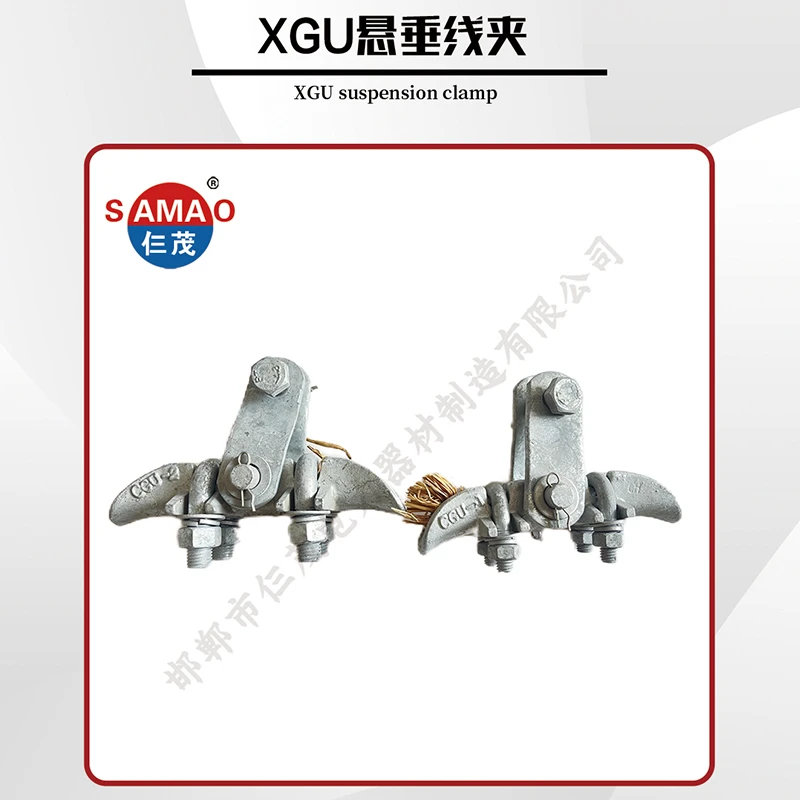
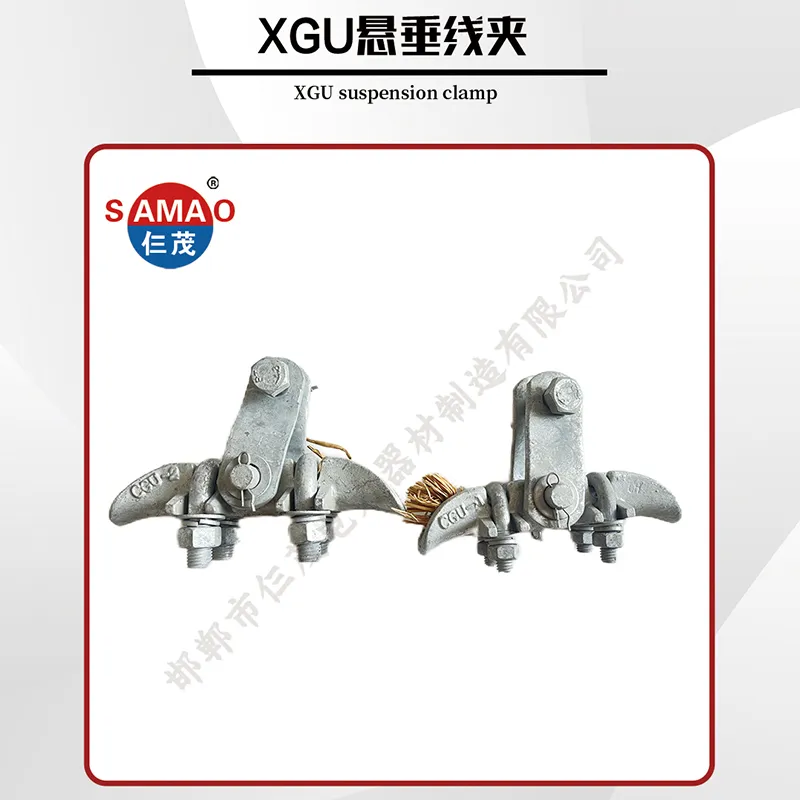
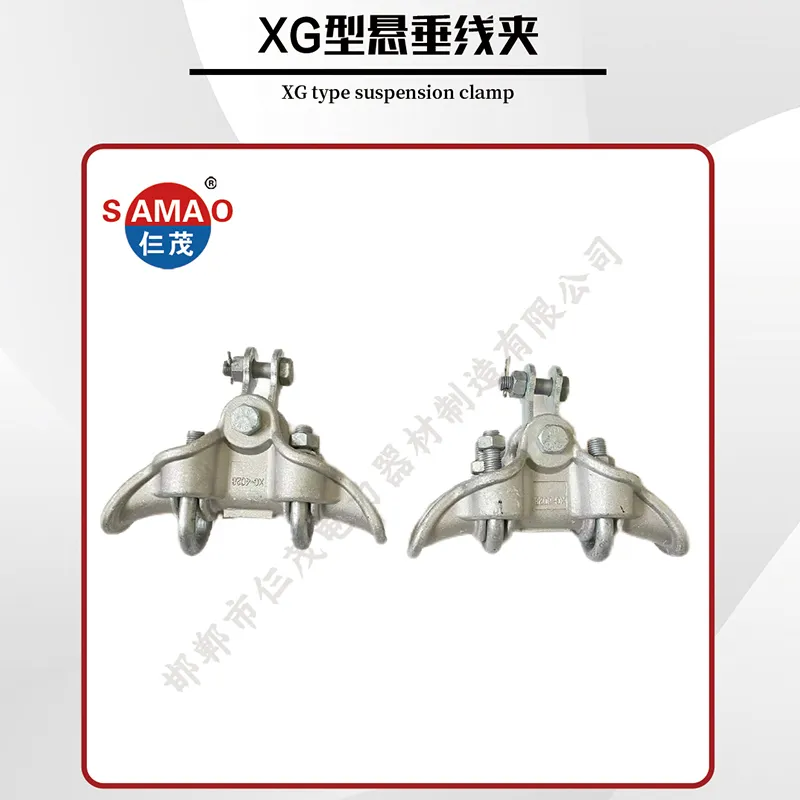
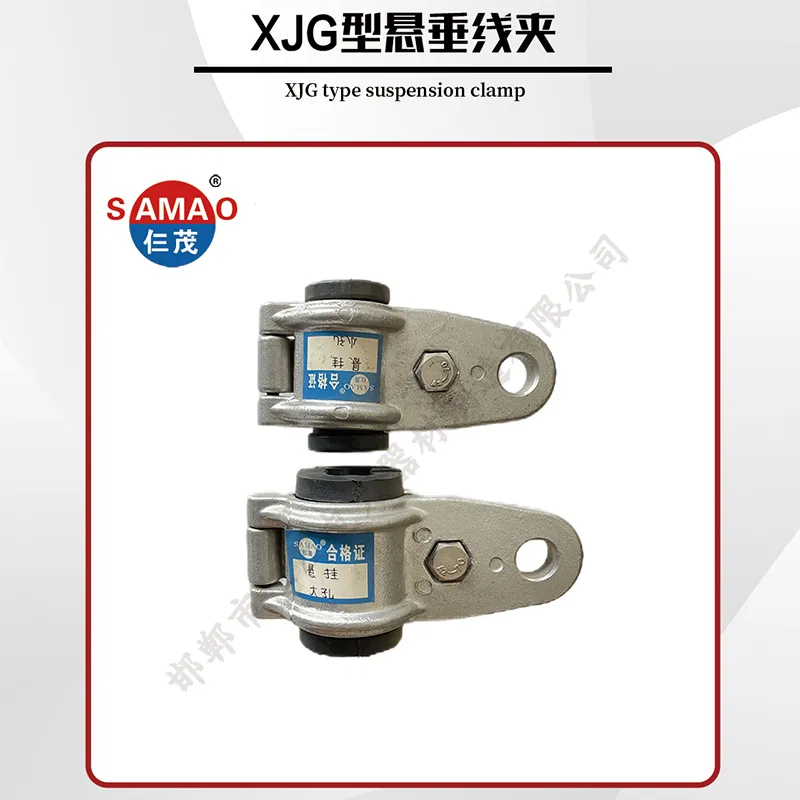
The Suspension Clamp secures a phase or lightning-protection (ground) wire to an insulator string, carrying vertical installation load across the span. In normal operation—or even if a line breaks elsewhere—the clamp should neither slip nor detach. That’s the baseline. Many customers say the difference between a decent clamp and a great one shows up during storms and ice loads.
Industry trends you’ll notice
- More aluminum alloy bodies with hot-dip galvanized steel U-bolts (cost/weight sweet spot).
- Polymer or neoprene inserts to minimize conductor abrasion and corona issues.
- Type testing per IEC 61284 and longer salt-spray resistance targets (to be honest, coastal utilities demand it).
- Traceability: QR-coded heat lots and digital MTRs are becoming standard on larger bids.
Typical process flow (how good clamps are made)
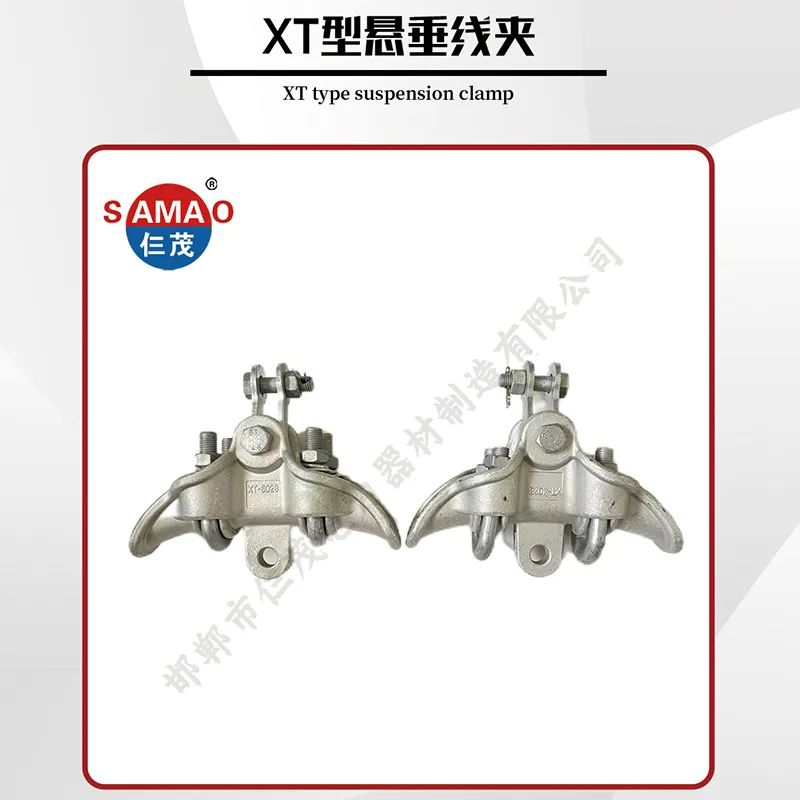
Materials: high-strength aluminum alloy body, galvanized steel bolts/pins (ISO 1461), elastomer pads. Methods: precision forging or casting, CNC machining of grooves, controlled galvanizing, then assembly with torque specs. Testing: slip load, ultimate strength, electrical corona check (where required), salt spray (ISO 9227 / ASTM B117). Service life: around 25–30 years in inland service; ≈15–20 years in aggressive coastal atmospheres, with proper inspection cycles.
Specification snapshot
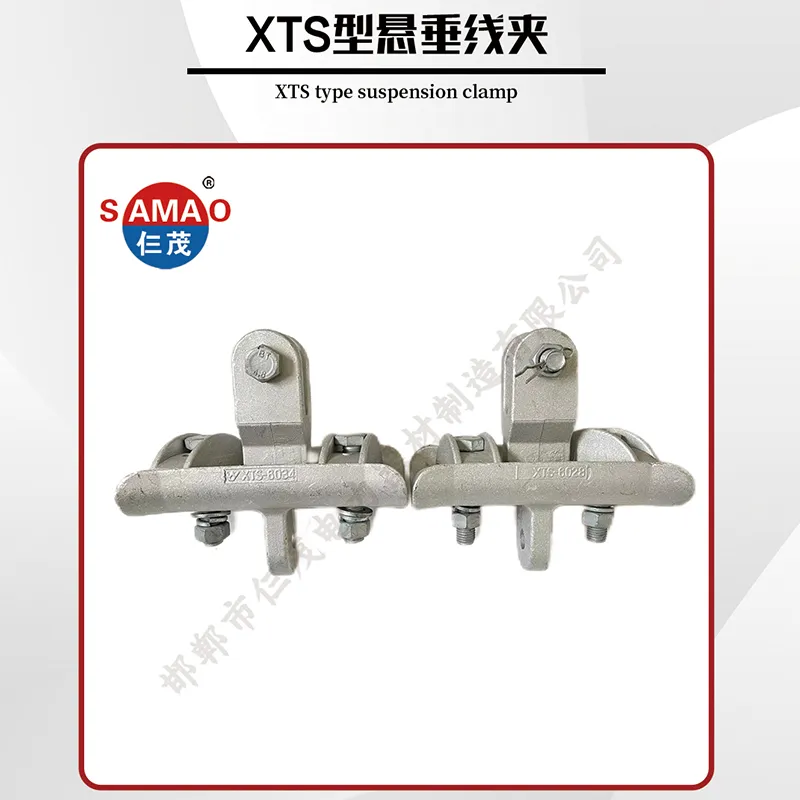
| Clamp Range | ≈ 8–32 mm conductor OD (custom up to 40 mm) |
| Body Material | Aluminum alloy (high-strength), shot-blasted finish |
| Bolts/Hardware | Hot-dip galvanized steel, ISO 1461 |
| Slip Load | ≥ 15–20% of conductor UTS (real-world may vary by conductor type) |
| Ultimate Load | ≈ 40–80 kN depending on model |
| Insert | Neoprene/polymer anti-abrasion pad |
| Standards | IEC 61284, ISO 9227/ASTM B117 (salt spray) |
Applications and advantages
Use on overhead lines, substation jumpers, and shield wires. Advantages: dependable vertical load carrying; reduced conductor wear; minimal corona at 110–220 kV with proper geometry; and, frankly, easier stringing when hardware tolerances behave. Many site supervisors tell me the torque window feels “forgiving,” which saves time aloft.
Vendor landscape (quick comparison)
| Criteria | Samao (Hebei) | Regional Trader | Generic Import |
|---|---|---|---|
| Lead Time | ≈ 15–25 days | 30–45 days | Uncertain |
| Standards/Type Test | IEC 61284 reports available | On request | Varies |
| Customization | Groove + insert tailored | Limited | Rare |
| Traceability | Heat lot + QR | Partial | Unknown |
Customization, testing, and certifications
Common custom options: conductor groove profile, pad durometer, corrosion package, and corona ring add-ons. Factory test data I’ve seen: slip load ≥ 20% UTS on ACSR 240/40; salt spray 480–720 h (ISO 9227); zinc ≥ 70 µm average (ISO 1461). Certifications typically include ISO 9001 and internal lab reports referencing IEC 61284. In fact, utilities often ask for witnessed tests—worth it on high-value corridors.
Case notes (real projects)
- 110 kV upgrade in Hebei: wholesale suspension clamp units with neoprene pads cut visible fretting over a 12‑month check.
- Coastal substation jumper: galvanized hardware plus extra sealing survived a gnarly 600 h salt-spray equivalent with no red rust.
What to ask your supplier
Request: conductor compatibility matrix, latest type-test summary (IEC 61284), salt-spray hours, galvanizing certification (ISO 1461), and torque guidance. And I guess it’s obvious, but insist on photos of the actual lot you’re buying—surprisingly effective at catching spec drift.
Citations:
- IEC 61284: Overhead lines – Requirements and tests for fittings.
- ISO 1461: Hot dip galvanized coatings on fabricated iron and steel articles.
- ISO 9227: Corrosion tests in artificial atmospheres – Salt spray tests.
- ASTM B117: Standard Practice for Operating Salt Spray (Fog) Apparatus.
-
Laundry Efficiency Guide with pengapit ampaian dengan cangkuk iNewsApr.16,2026
-
Optimizing Power Infrastructure with the pengapit ampaian tnbNewsApr.09,2026
-
Comprehensive Guide to Selecting the Right pengapit penggantungan untuk kabel lt ab SolutionsNewsApr.07,2026
-
Comprehensive Guide to Pengapit Talian Penghantaran for Secure Package DeliveryNewsApr.04,2026
-
Comprehensive Guide to Pemasangan Pengapit Penggantungan for Overhead Cabling SystemsNewsMar.31,2026
-
Comprehensive Guide to Pengapit Ampaian yang Telah Dibentuk for Construction SafetyNewsMar.28,2026
-
Comprehensive Guide to Pengapit Ampaian Besi for Scaffolding SafetyNewsMar.26,2026