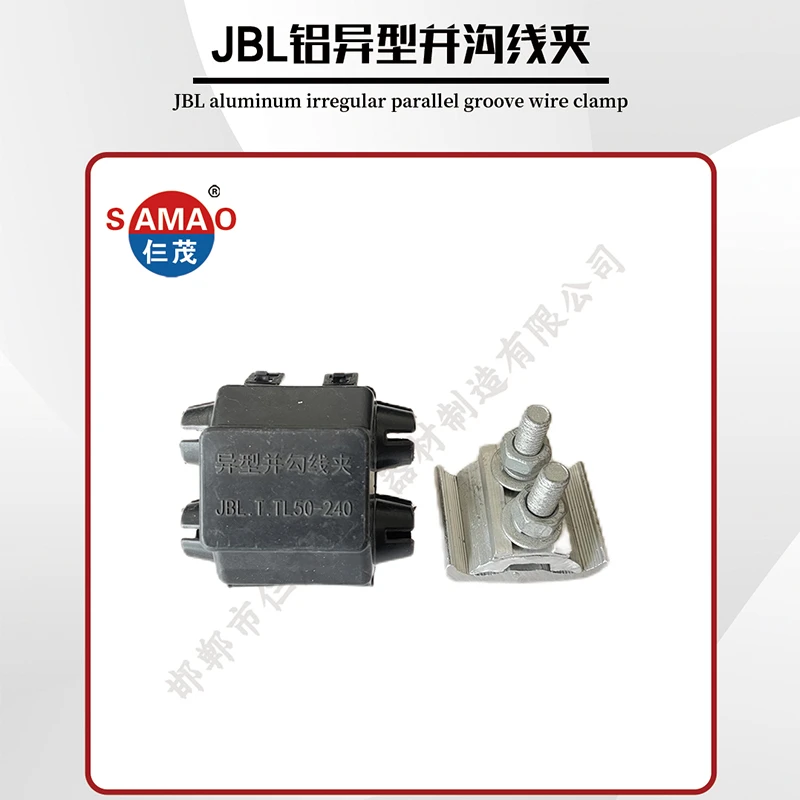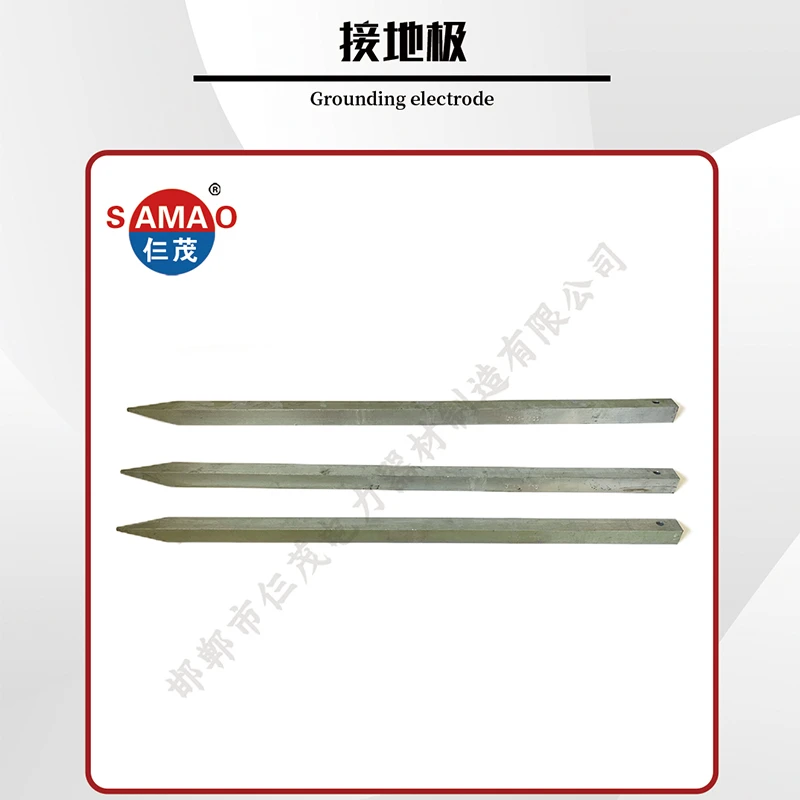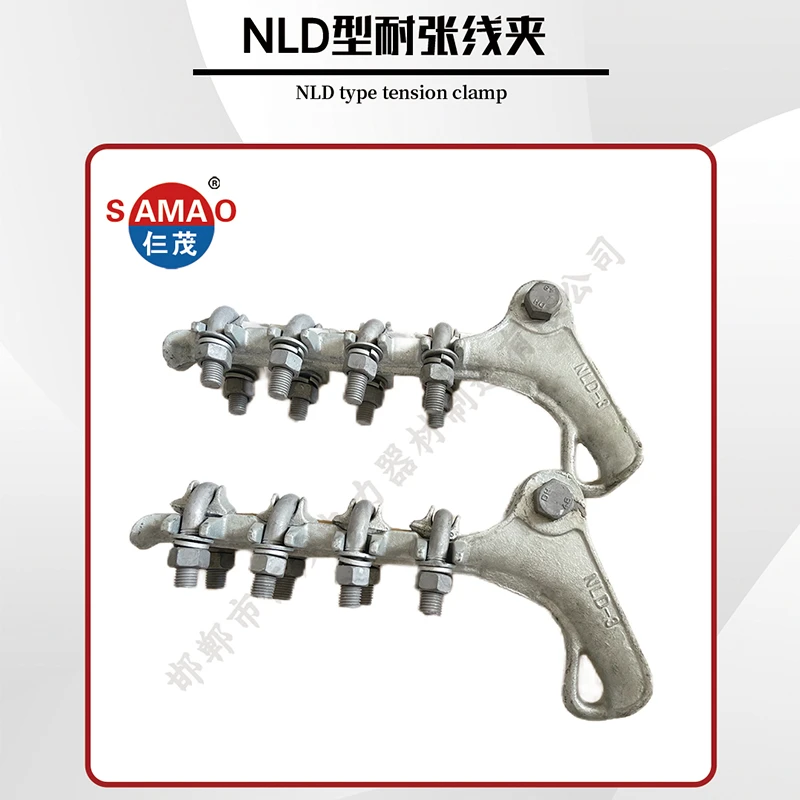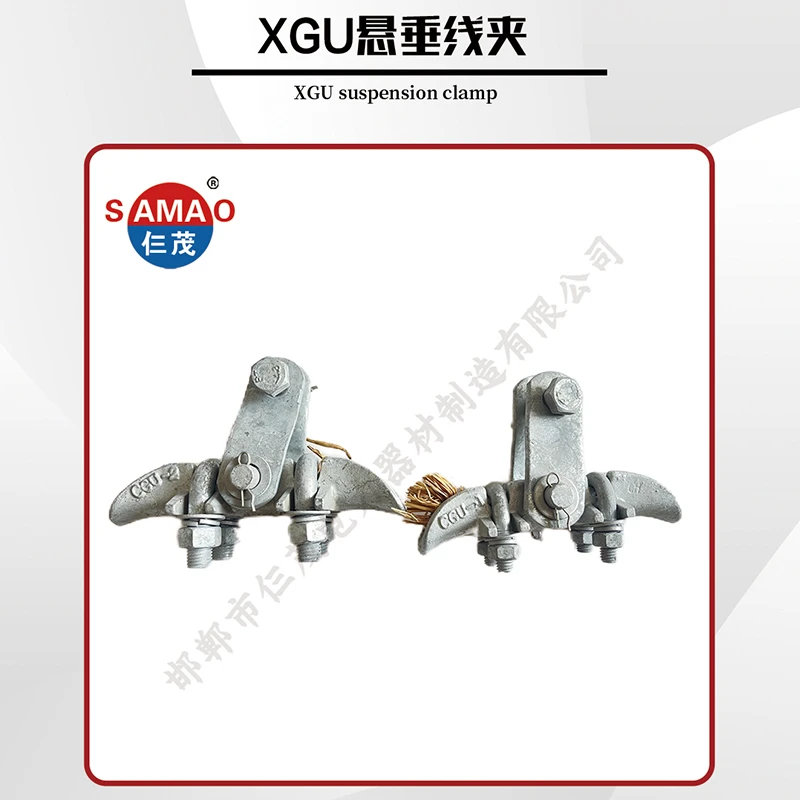
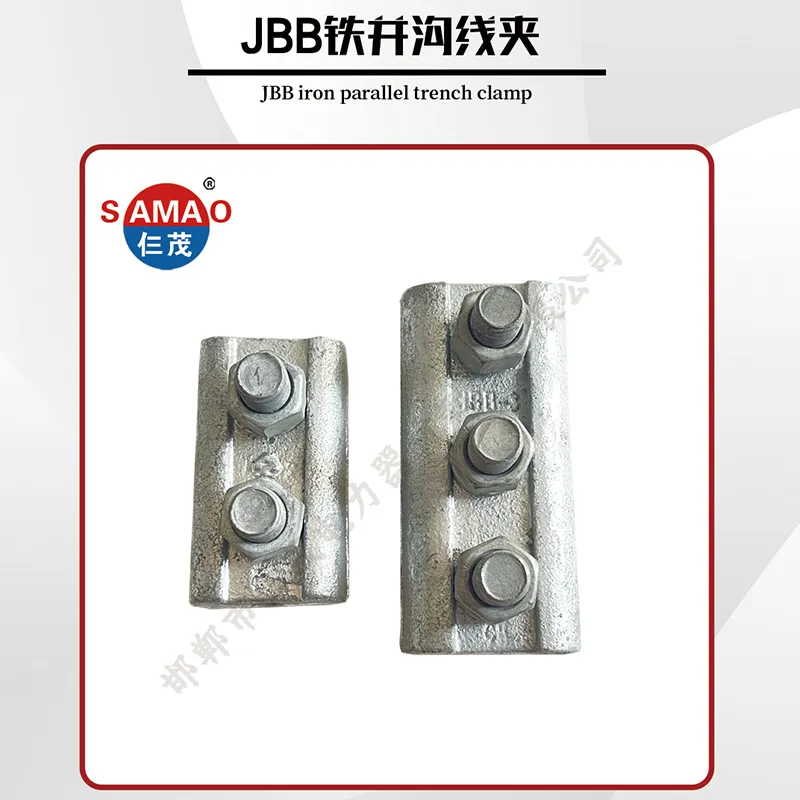
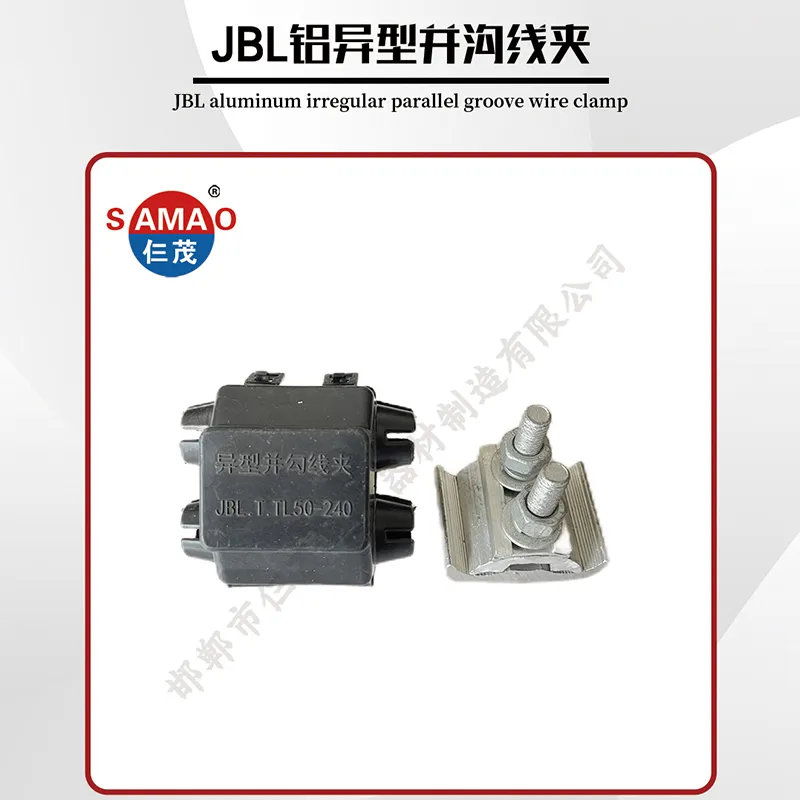
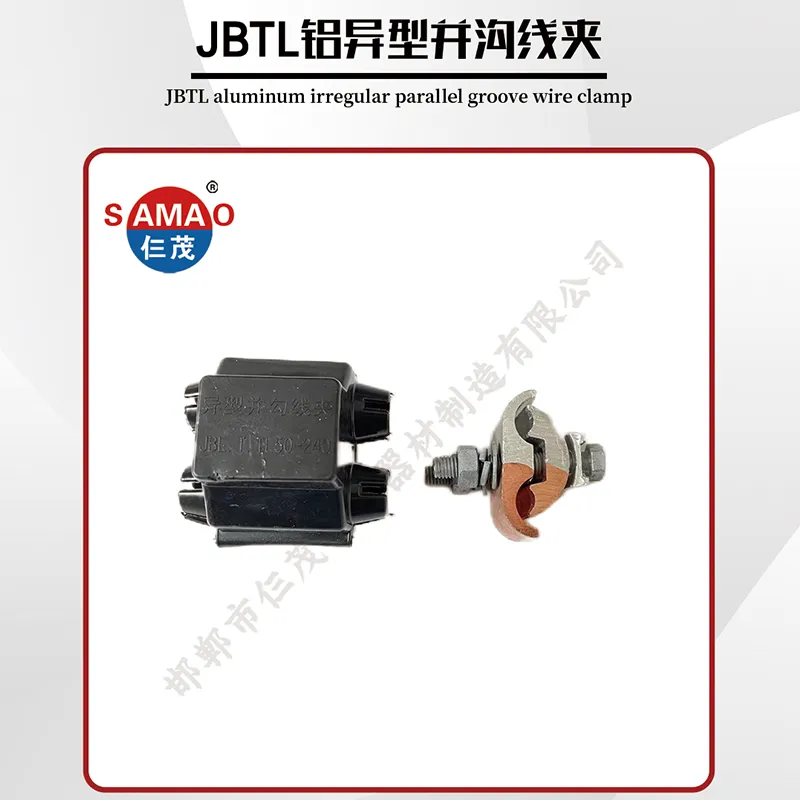
Parallel Groove Clamp - High Conductivity, Low Price
Field Notes on the parallel groove clamp: what specs actually matter
If you work distribution lines or lightning protection, you already know the humble parallel groove clamp is where reliability either happens—or doesn’t. This model, produced in the Standard Parts Entrepreneurship Park, Dongmingyang Village, Linmingguan Town, Yongnian District, Handan City, Hebei Province, is the no-tension connector that quietly keeps conductors bonded, taps secure, and inspectors happy.
Market snapshot
Utilities are doubling down on grid-hardening and distributed energy. That means more taps, more retrofits, and clamps that tolerate higher currents and tougher weather. Trends I’m seeing: bimetal options for Al–Cu transitions, torque-controlled shear-head bolts, and longer-life coatings for coastal sites. Honestly, the best parallel groove clamp today is the one that stays boring after 10 summers.
How it’s made (short version)
- Materials: high-conductivity Al alloy (≈6061‑T6/6063‑T6); copper grades for Cu lines; bolts in hot‑dip galvanized steel 8.8 or stainless 304/316.
- Methods: precision forging + CNC finishing; serrated grooves for bite; anti-oxidation grease pre-fill optional; HDG per ISO 1461.
- Testing: visual/dimensional, torque proof, heat‑cycle per IEC 61238‑1, slip per IEC 61284, salt spray per ISO 9227 (often 240–480 h), contact resistance trending.
- Service life: ≈25–30 years in temperate climates (real-world use may vary with pollution and UV).
Typical lab data we’ve seen: resistance increase ≤5–10 µΩ after 1,000 thermal cycles; no slip at 3–6 kN depending on conductor size; temperature rise ≤45–50°C at 1.5× rated current. Not flashy, just solid.
Quick specifications
| Conductor range | ≈16–240 mm² (custom up to 400 mm²) |
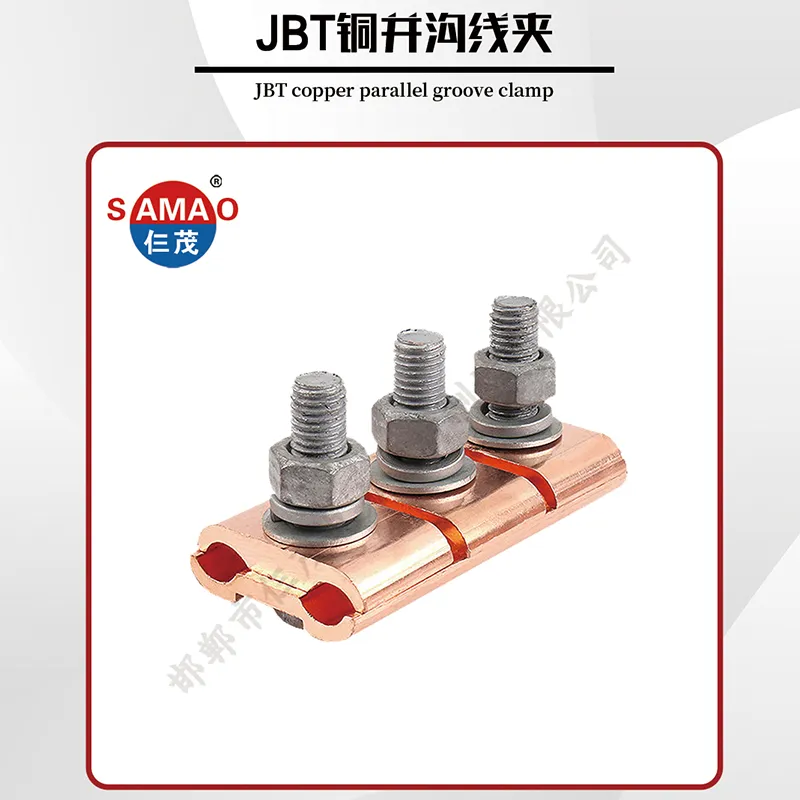
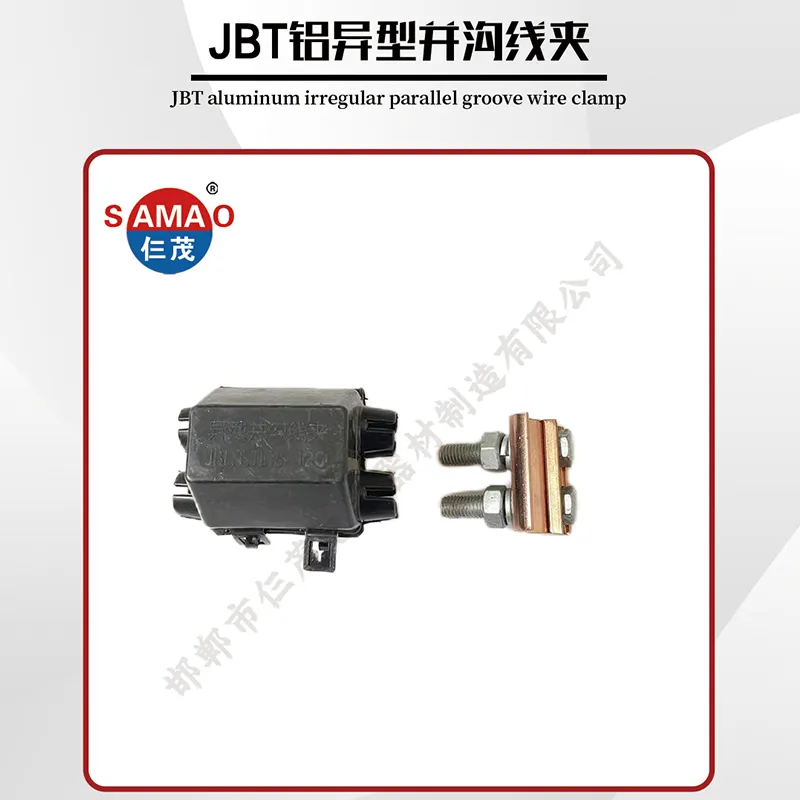
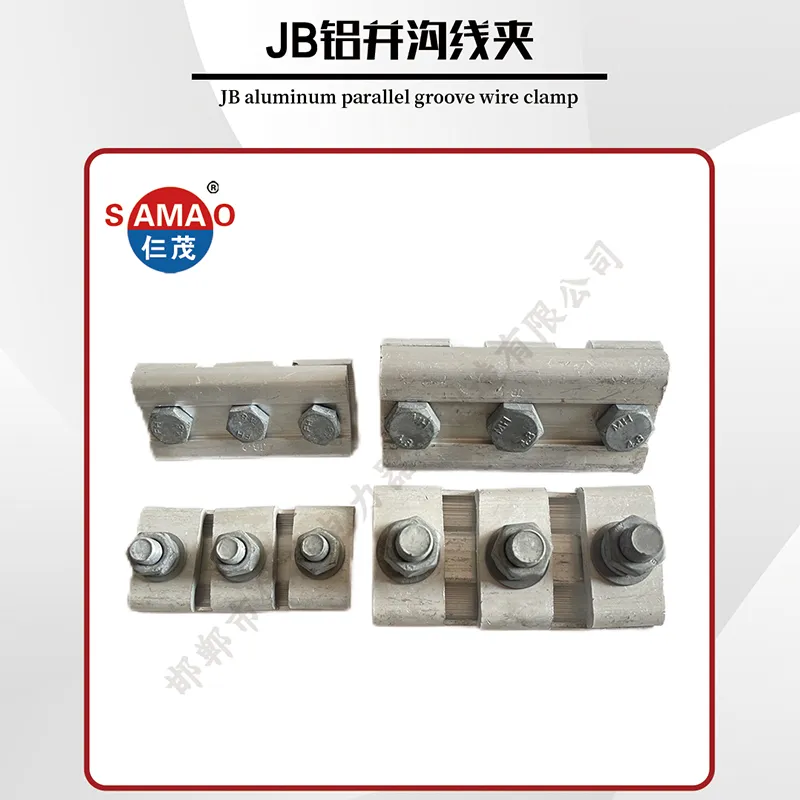
| Body / Keeper | Al alloy; Cu versions for copper lines; bimetal pads optional |
| Bolts / Nuts | M8–M12, HDG 8.8 or SS304/316; spring washers; shear-head option |
| Electrical resistance | ≤5–10 µΩ added (type test) |
| Temperature rise | ≤50°C at 1.5× Irated (IEC 61238‑1) |
| Slip strength | ≈3–6 kN (size‑dependent) |
| Finish / Coating | Anodized Al; bolts HDG per ISO 1461; grease pre-fill optional |
| Operating temp | −40 to +90°C (higher on request) |
Who should consider it
- Overhead LV/MV distribution taps and jumpers (non‑tension)
- Lightning down‑conductor bonding on substations and rooftops
- PV plants and BESS interconnects, rail OHL auxiliaries, telecom towers
Many customers say installation is 15–25% quicker with torque-shear hardware. And yes, it’s noticeably quieter on hot days—less thermal chatter—when the parallel groove clamp is correctly torqued.
Vendor snapshot (indicative)
| Vendor | Range | Bolt type | Certs | Lead time | Price level |
|---|---|---|---|---|---|
| SAMAO Electrical (Hebei) | 16–240 mm² (custom) | HDG / SS, shear-head | ISO 9001; IEC type tests | ≈2–4 weeks | $$ |
| Global Brand X | 25–300 mm² | SS316 | IEC / UL where applicable | 4–6 weeks | $$$ |
| Local OEM Y | 16–185 mm² | HDG | Factory QA only | 1–2 weeks | $ |
Customization and options
Groove profiles for ACSR/AAAC/ACAR, bimetal pads for Al‑Cu, anti-theft heads, silicone grease pre-fill, laser logo/traceability, and coastal-grade stainless hardware. If your spec calls for IEC 62561 on lightning components, note it upfront—saves back-and-forth.
Mini case files
Hebei 10 kV line upgrade: crews reported ≈18% faster installs using shear-head bolts; post‑cycle resistance drift stayed under 6 µΩ.
Coastal PV farm: ISO 9227 480 h salt‑spray qualified set cut corrosion touch‑ups to near zero in the first year.
Substation LPS bonding: copper variant aligned with IEC 62561 guidance; auditors signed off without comments—always nice.
What to check before PO
- Conductor pairing and groove match; no mixing Cu/Al without bimetal interfaces.
- Type‑test evidence to IEC 61284/61238‑1; corrosion method (ISO 9227) and duration.
- Bolt material per environment; torque values and installer tooling.
References:
- IEC 61284: Overhead lines — Requirements and tests for fittings.
- IEC 61238‑1: Compression and mechanical connectors for power cables.
- IEC 62561 (series): Lightning Protection System Components (LPSC).
- ISO 9227: Corrosion tests in artificial atmospheres — Salt spray tests.
- ISO 1461: Hot dip galvanized coatings on fabricated iron and steel articles.
- IEEE Std 837‑2014: Qualifying permanent connections used in substation grounding.
-
Laundry Efficiency Guide with pengapit ampaian dengan cangkuk iNewsApr.16,2026
-
Optimizing Power Infrastructure with the pengapit ampaian tnbNewsApr.09,2026
-
Comprehensive Guide to Selecting the Right pengapit penggantungan untuk kabel lt ab SolutionsNewsApr.07,2026
-
Comprehensive Guide to Pengapit Talian Penghantaran for Secure Package DeliveryNewsApr.04,2026
-
Comprehensive Guide to Pemasangan Pengapit Penggantungan for Overhead Cabling SystemsNewsMar.31,2026
-
Comprehensive Guide to Pengapit Ampaian yang Telah Dibentuk for Construction SafetyNewsMar.28,2026
-
Comprehensive Guide to Pengapit Ampaian Besi for Scaffolding SafetyNewsMar.26,2026