Parallel Groove Clamp | High Conductivity, Anti-Corrosion
Field Notes on a parallel groove clamp: what really matters in the air
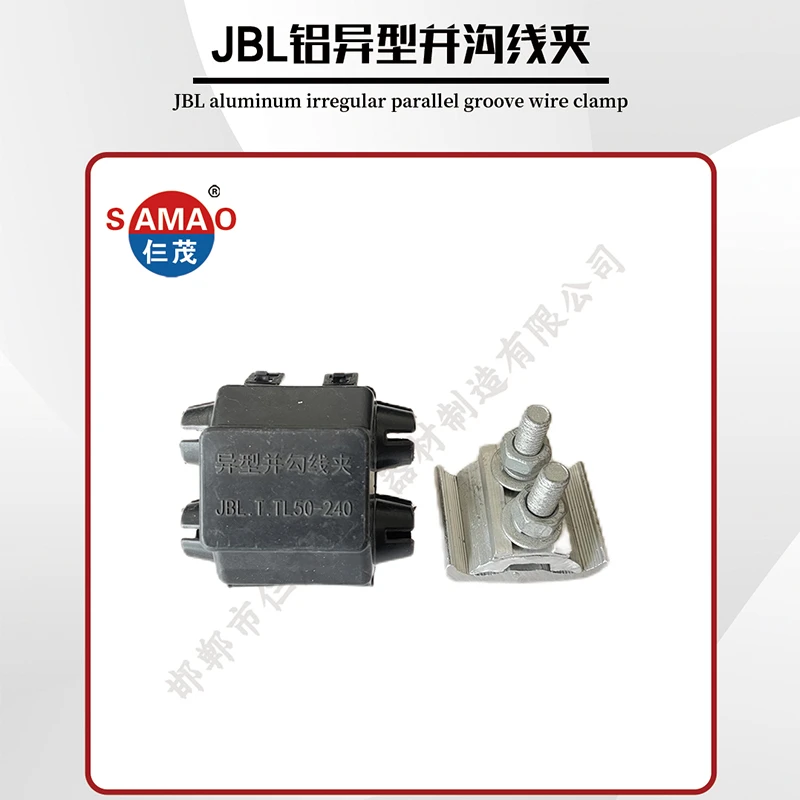
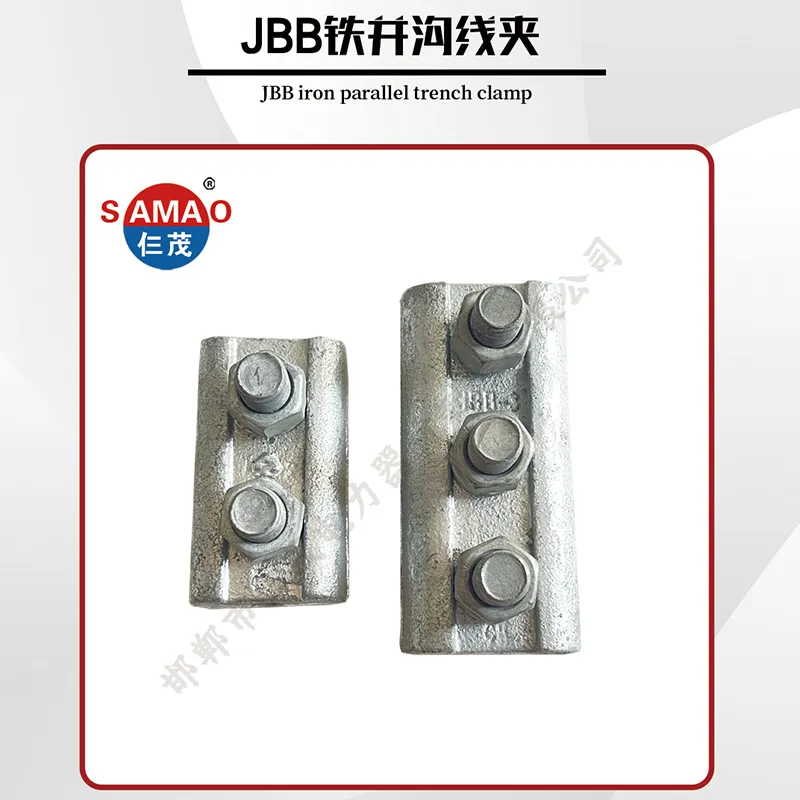
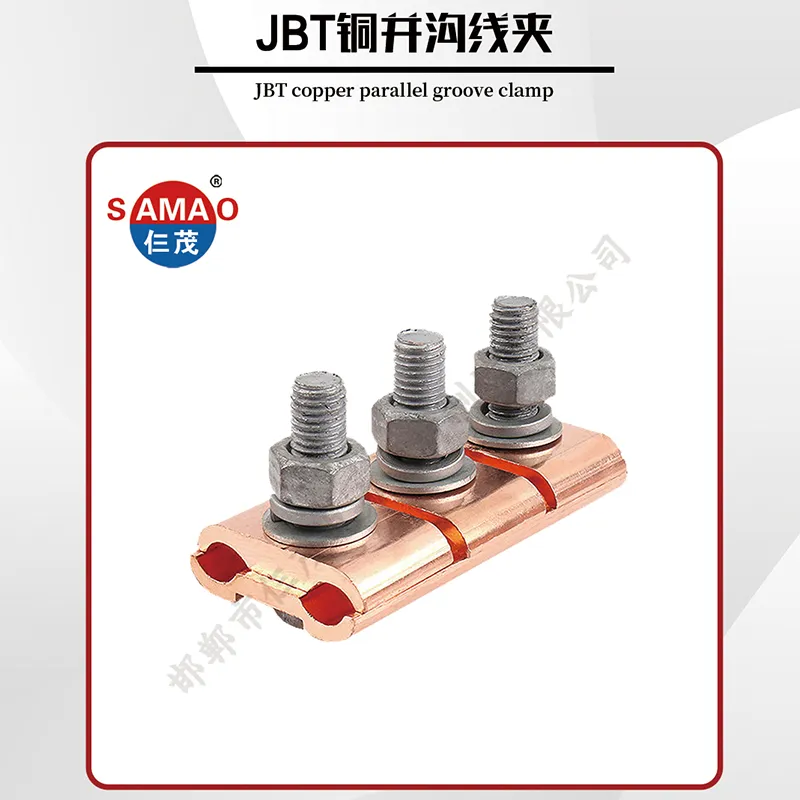
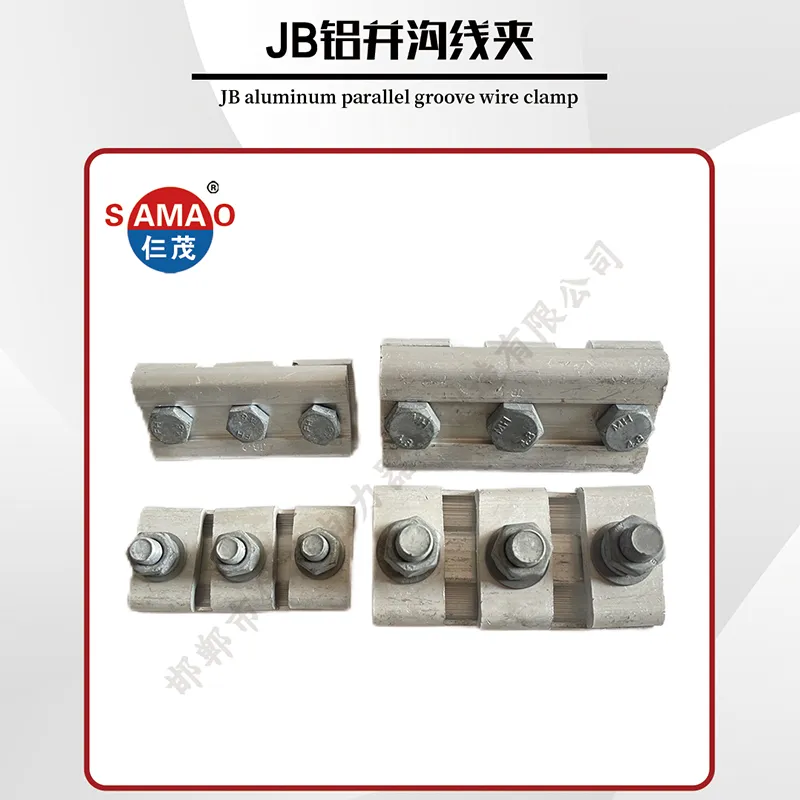
If you spend time around distribution lines, you start judging hardware the way chefs judge knives. A parallel groove clamp looks simple—two matched alloy halves, a couple of bolts—but reliability often hides in the small choices: alloy temper, serration profile, lubricant, torque window. Based on recent factory visits in Hebei (yes, the one in Yongnian), here’s the state of play, minus the brochure fluff.
Industry trends (briefly, and honestly)
- Utilities are standardizing on tool-friendly, lower-torque parallel groove clamp designs to reduce conductor cold flow.
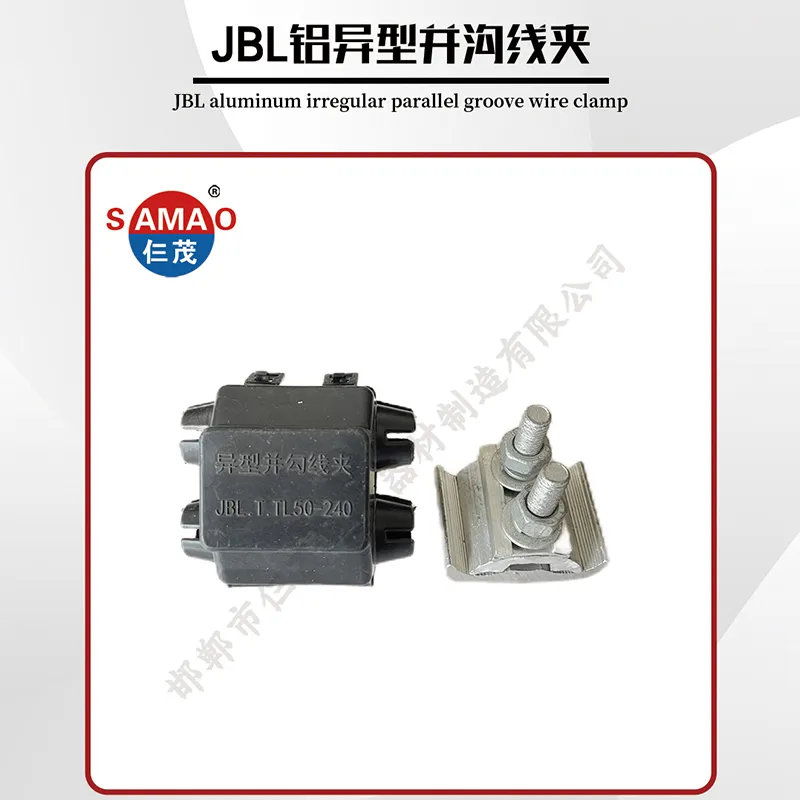
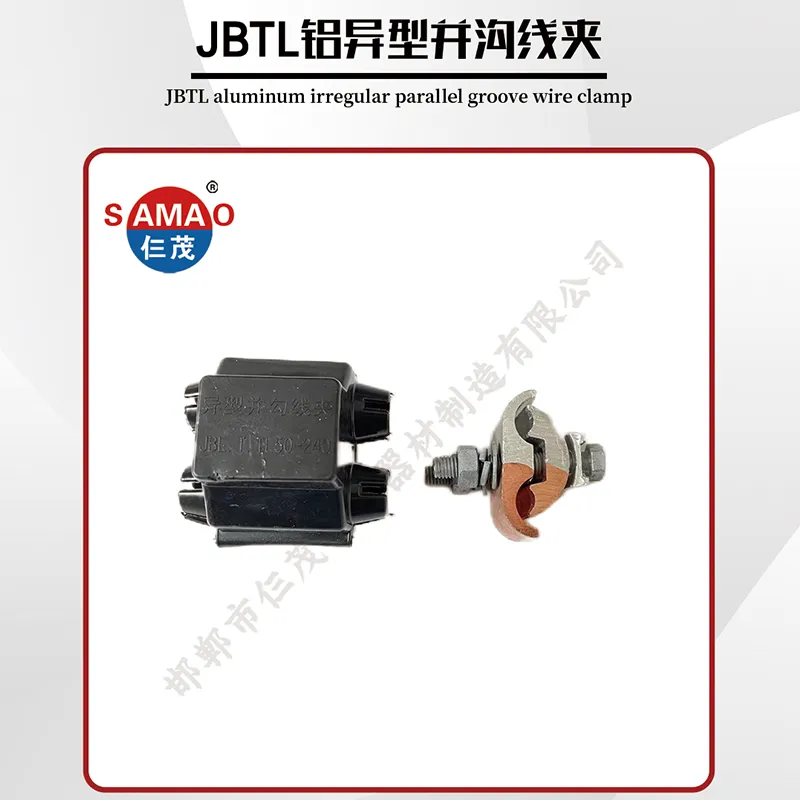
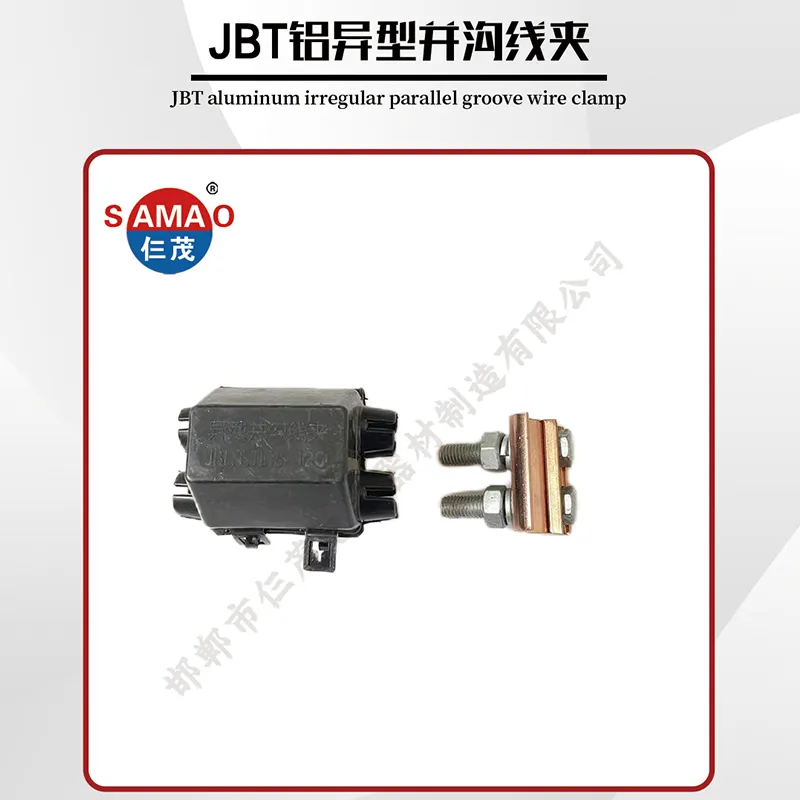
- More bimetal solutions (Al–Cu) as streetlighting and grounding upgrades mix conductors. Tin-plated inserts are basically a must now.
- Salt-mist performance is getting real scrutiny—ISO 9227 hours show up in specs more often than ever.
Typical specifications (field-proven, not just lab-speak)
| Parameter | Spec (≈ real-world) |
|---|---|
| Body material | High-strength Al-Mg-Si alloy (≈ 6061-T6) |
| Bolts/Nuts | HDG steel 8.8 or SS304; lock washers as standard |
| Conductor range | 16–240 mm² (single or equal/unequal tap) |
| Recommended torque | 20–35 N·m (check model; use torque wrench) |
| Electrical resistance rise | ≤ 1.2 µΩ vs. equivalent conductor length |
| Corrosion test | ISO 9227 NSS ≥ 240–480 h, no red rust on SS, no thread seizure |
| Service life | ≈ 25–30 years under normal pollution; check local conditions |
| Standards touchpoints | IEC 61284; IEC 61238-1; ISO 9227; ASTM B117 |
Where it’s used (and why)
- Non-tension connections on distribution lines and lightning conductors.
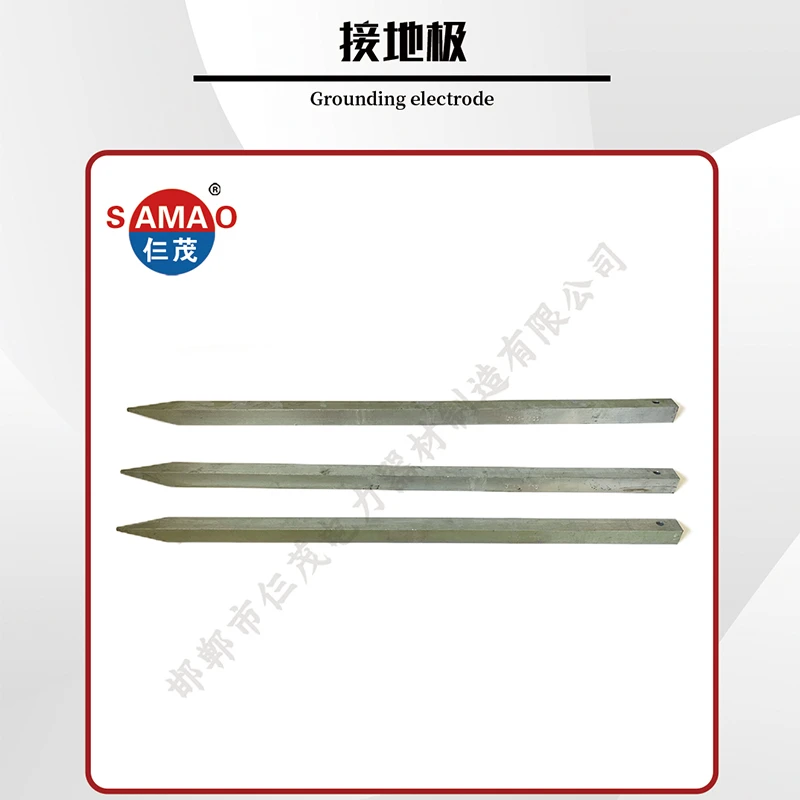
- Tapping streetlight feeders, grounding jumpers, and parallel splices.
- Retrofit work where cutting the main isn’t desirable—many customers say this is the big win.
Manufacturing and QA flow (short version)
Alloy billet → precision forging → CNC groove finishing (light serration) → deburr/shot-blast → passivation; for Al–Cu, tin-plated bimetal pad added. Bolts are HDG or SS, threads checked with GO/NO-GO gauges. Routine tests: visual, dimensions, torque-to-failure, resistance comparison, heat-cycle test (100–500 cycles), salt-spray. Honestly, the torque window and surface cleanliness affect more real-world outcomes than most people admit.
Vendor snapshot (what I look for)
| Vendor | Certs | MOQ | Customization | Lead Time |
|---|---|---|---|---|
| Hebei maker (Yongnian District origin) | ISO 9001; type-test per IEC 61284 | ≈ 300 pcs | Groove size, bolt grade, bimetal pads | 10–20 days |
| Trading house | Varies | Flexible | Brand-switching; slower changes | 15–35 days |
| Low-cost factory | Limited | High | Minimal | Unpredictable |
Customization and practical tips
- Ask for pre-applied oxide-inhibiting compound on grooves for aged ACSR.
- Specify SS hardware in coastal C5 environments; otherwise HDG is fine.
- For Al–Cu transitions, insist on tin-plated bimetal pads to curb galvanic bite.
Origin check: Standard Parts Entrepreneurship Park, Dongmingyang Village, Linmingguan Town, Yongnian District, Handan City, Hebei. That cluster knows fasteners and fittings—no surprise the parallel groove clamp game is strong there.
Field anecdotes (two quick ones)
Case A: Coastal feeder upgrade, 35 kV line taps. Switched to SS hardware and bimetal pad version of the parallel groove clamp. After 500 h ISO 9227, threads still free; resistance rise stayed under 1 µΩ. Crew noted easier re-torque next season.
Case B: Mountain township retrofit. Unequal conductor joint, 50/95 mm². Installer feedback: with 25 N·m torque and paste, hot-spot scan showed ΔT ≈ 2 K versus line—comfortably inside IEC guidance.
Compliance, tests, and paperwork
- Type tests per IEC 61284: mechanical integrity, thermal cycle, and electrical resistance comparison.
- IEC 61238-1 reference for connector performance on power conductors.
- ISO 9227/ASTM B117 salt spray—specify hours; real-world may vary.
- Factory ISO 9001 and routine torque/resistance logs are worth requesting.
Citations:
- IEC 61284: Overhead lines – Requirements and tests for fittings.
- IEC 61238-1: Compression and mechanical connectors for power cables.
- ISO 9227: Corrosion tests in artificial atmospheres – Salt spray tests.
- ASTM B117: Standard Practice for Operating Salt Spray Apparatus.
-
Laundry Efficiency Guide with pengapit ampaian dengan cangkuk iNewsApr.16,2026
-
Optimizing Power Infrastructure with the pengapit ampaian tnbNewsApr.09,2026
-
Comprehensive Guide to Selecting the Right pengapit penggantungan untuk kabel lt ab SolutionsNewsApr.07,2026
-
Comprehensive Guide to Pengapit Talian Penghantaran for Secure Package DeliveryNewsApr.04,2026
-
Comprehensive Guide to Pemasangan Pengapit Penggantungan for Overhead Cabling SystemsNewsMar.31,2026
-
Comprehensive Guide to Pengapit Ampaian yang Telah Dibentuk for Construction SafetyNewsMar.28,2026
-
Comprehensive Guide to Pengapit Ampaian Besi for Scaffolding SafetyNewsMar.26,2026