Looking for Wholesale Suspension Clamp—High-Strength, OEM?
What Buyers Should Know About the wholesale suspension clamp Market in 2025
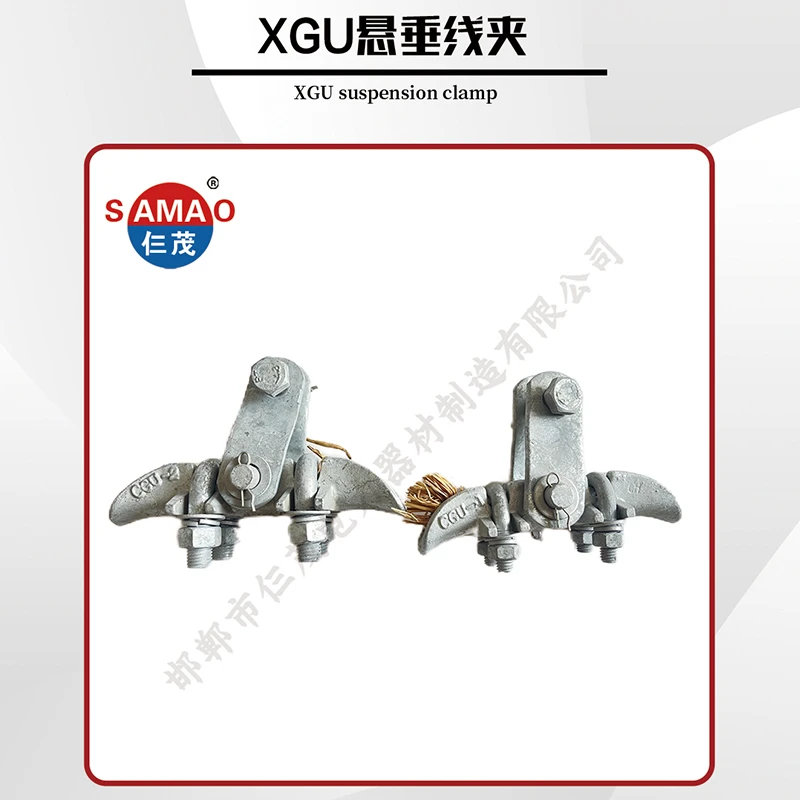
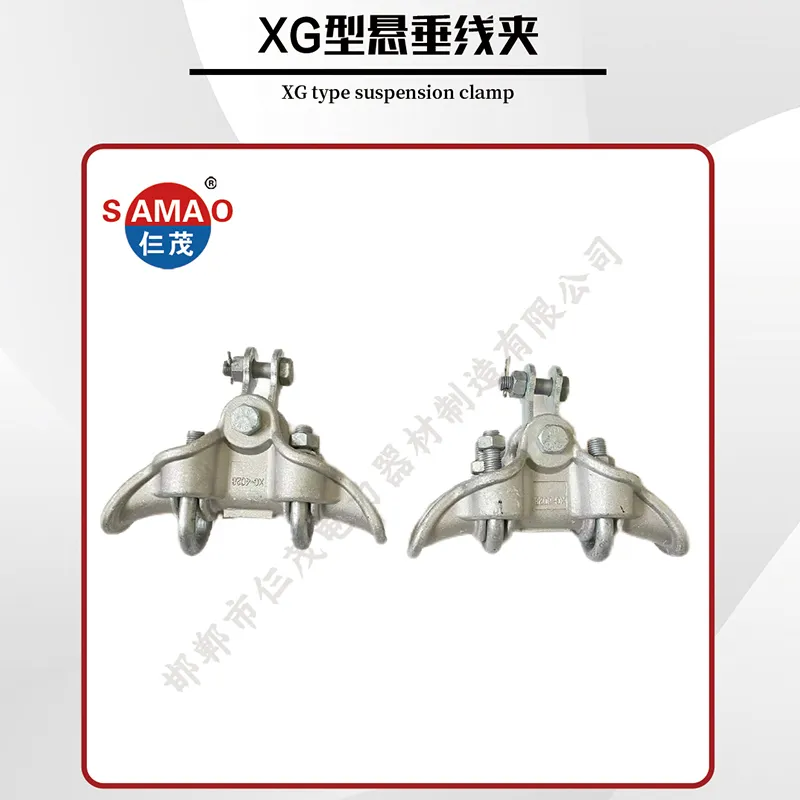
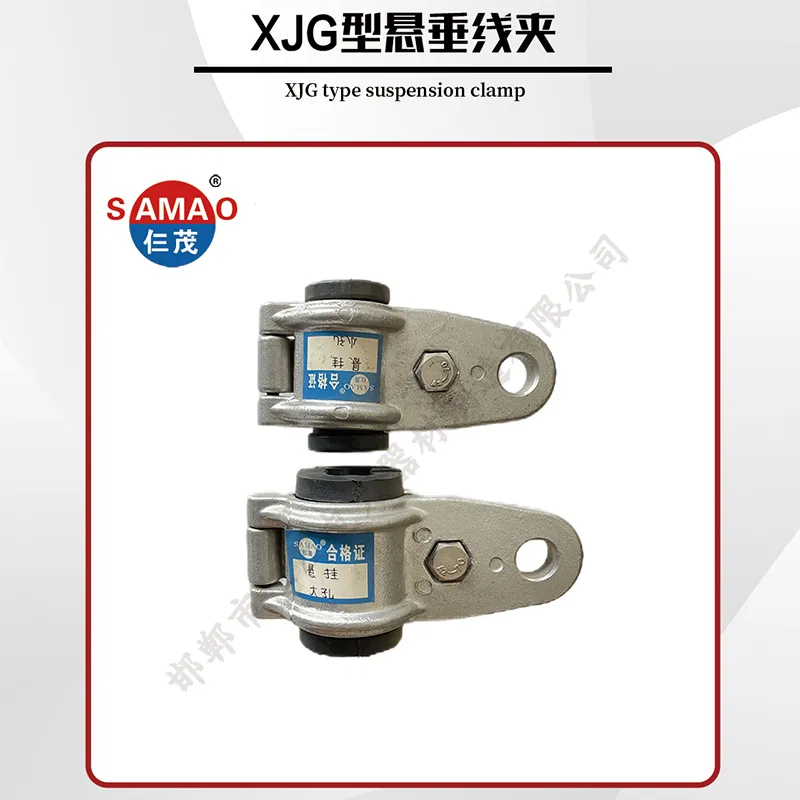
If you work on overhead lines, you already know the clamp is never “just a clamp.” It’s the tiny guardian that decides whether a span rides out a storm or ends up in a maintenance ticket. I’ve walked enough yards to see the difference. The Suspension Clamp from Hebei’s Yongnian District—made in the Standard Parts Entrepreneurship Park, Dongmingyang Village, Linmingguan Town—has been getting more calls lately, and for good reason.
Industry trends I’m seeing
- Grid hardening and extreme-weather specs are pushing higher slip margins and better corrosion resistance.
- Renewable interconnections mean more mixed conductor types (ACSR, AAAC, ACCC), so clamp liner compatibility matters.
- Procurement is shifting to documented testing per IEC standards, not just catalog claims. About time, honestly.
What this clamp is built to do
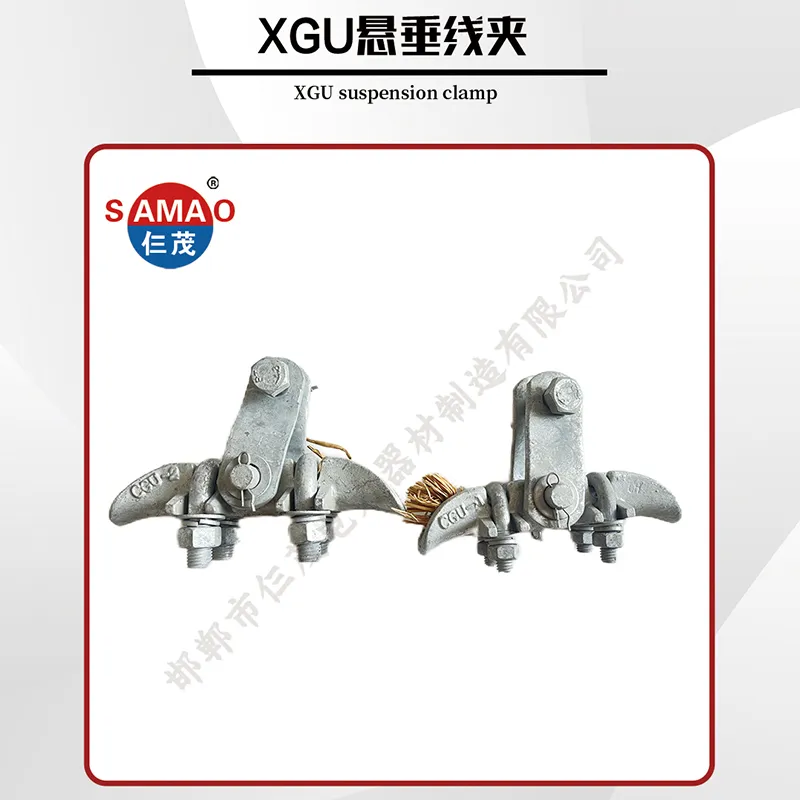
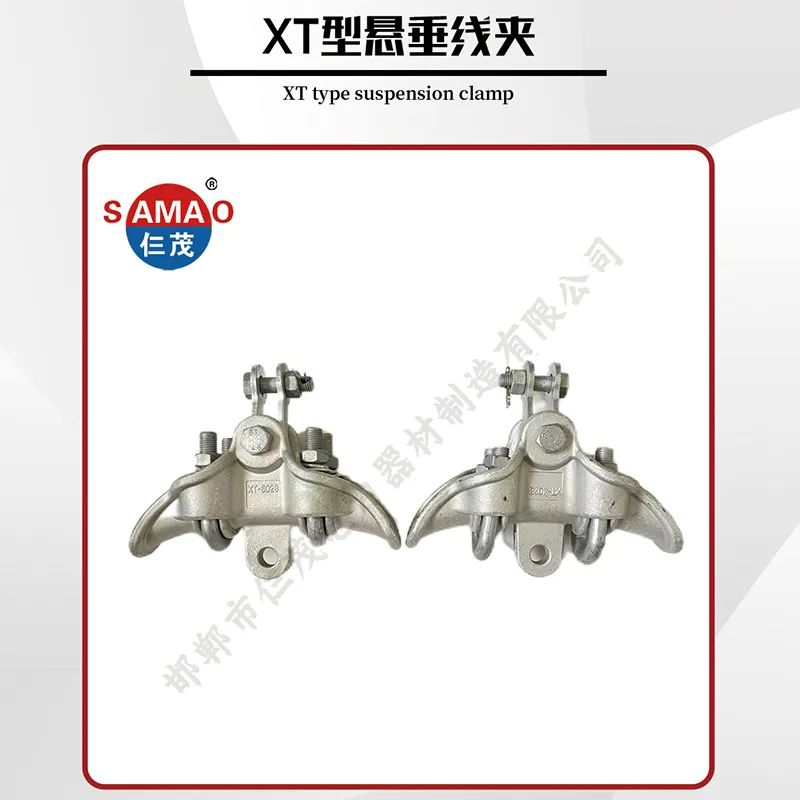
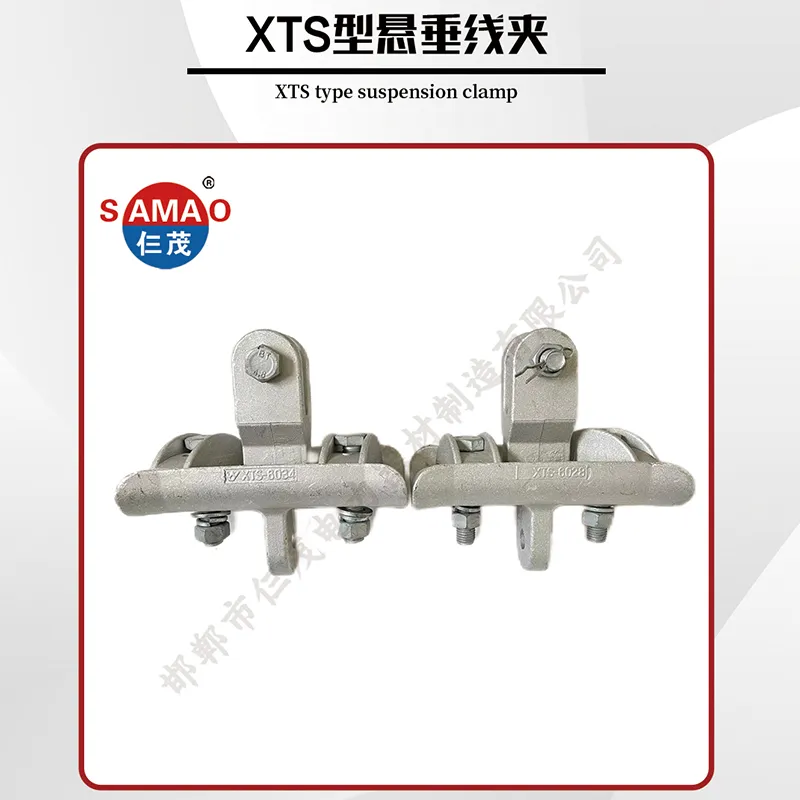
Designed for phase conductors and lightning protection (shield) wires, the wholesale suspension clamp supports installation loads across vertical gear distance and prevents sliding or detachment on the insulator string during normal operation—or even after a line break event. In plain words: it stays put.
Key specifications (typical, may vary by model)
| Body Material | High-strength aluminum alloy or ductile iron (ASTM A536), body anodized or coated |
| Hardware Finish | Hot-dip galvanized steel (ISO 1461), ≈70–100 μm Zn; real-world may vary |
| Insert/Liner | EPDM/neoprene or polymer damping liner for conductor protection |
| Conductor Range | ≈ 8–34 mm (ACSR/AAAC/ACCC options) |
| Mechanical Performance | Slip resistance verified per IEC 61284; tensile and bending tests on assembled fittings |
| Corrosion Tests | Salt spray (ISO 9227) and coating thickness checks |
| Service Life | ≈25–35 years, depending on environment and maintenance |
Process flow and QA (how it’s actually made)
Materials are cast or forged, then CNC-machined for saddle geometry. After shot blasting and deburring, galvanizing/coating is applied, followed by torque-assembly of bolts and cotter components. Testing typically covers dimensional checks, hardness, proof load, slip verification, and occasionally corona/RI tests for EHV fittings. Plants with ISO 9001 and third-party type tests—frankly—save you headaches later.
Where it’s used
- Distribution lines (10–35 kV) and transmission (66–500 kV).
- Shield wire/OPGW suspension on substations and river crossings.
- High-wind corridors where aeolian vibration is a daily nuisance.
Advantages customers mention: stable grip, good liner conformity, and consistent galvanizing—surprisingly even on large batches.
Vendor snapshot (for buyers comparing quotes)
| Vendor | MOQ | Lead Time | Certs | Customization |
|---|---|---|---|---|
| Samao (Hebei) | ≈ 200–500 pcs | 2–4 weeks, stock items faster | ISO 9001; type test reports on request | Diameter, liner, coating, logo |
| Regional OEM A | 500+ pcs | 4–6 weeks | ISO 9001 | Limited |
| Import Brand B | As per project | 6–10 weeks | IEC type tests | Wide, higher cost |
Customization tips
- Match liner to conductor type to prevent cold flow or fretting.
- Confirm slip test values for your RTS and span tensions.
- Specify galvanizing thickness for coastal or industrial zones.
Field notes and case snapshots
Coastal 110 kV upgrade: Utility replaced mixed-age clamps with wholesale suspension clamp models using EPDM liners and thicker zinc. After 1,000-hour salt spray equivalence, coating loss was within spec; no slip events recorded during a 24 m/s wind week.
Mountain pass 220 kV: Adding armor rods and tuned dampers reduced vibration amplitude ≈35% (CIGRE method). Inspectors reported clean saddles and zero strand scuffing after one winter.
Quick install checklist
- Verify conductor diameter and liner match; clean conductor surface.
- Use calibrated torque; cross-tighten bolts evenly.
- For shield wire/OPGW, follow bending radius limits and manufacturer torque values.
Authoritative references:
- IEC 61284: Overhead lines – Requirements and tests for fittings.
- ISO 1461: Hot dip galvanized coatings on fabricated iron and steel articles.
- ISO 9227: Corrosion tests in artificial atmospheres — Salt spray tests.
- CIGRE Technical Brochures on Aeolian Vibration Control (e.g., TB 273).
-
Laundry Efficiency Guide with pengapit ampaian dengan cangkuk iNewsApr.16,2026
-
Optimizing Power Infrastructure with the pengapit ampaian tnbNewsApr.09,2026
-
Comprehensive Guide to Selecting the Right pengapit penggantungan untuk kabel lt ab SolutionsNewsApr.07,2026
-
Comprehensive Guide to Pengapit Talian Penghantaran for Secure Package DeliveryNewsApr.04,2026
-
Comprehensive Guide to Pemasangan Pengapit Penggantungan for Overhead Cabling SystemsNewsMar.31,2026
-
Comprehensive Guide to Pengapit Ampaian yang Telah Dibentuk for Construction SafetyNewsMar.28,2026
-
Comprehensive Guide to Pengapit Ampaian Besi for Scaffolding SafetyNewsMar.26,2026