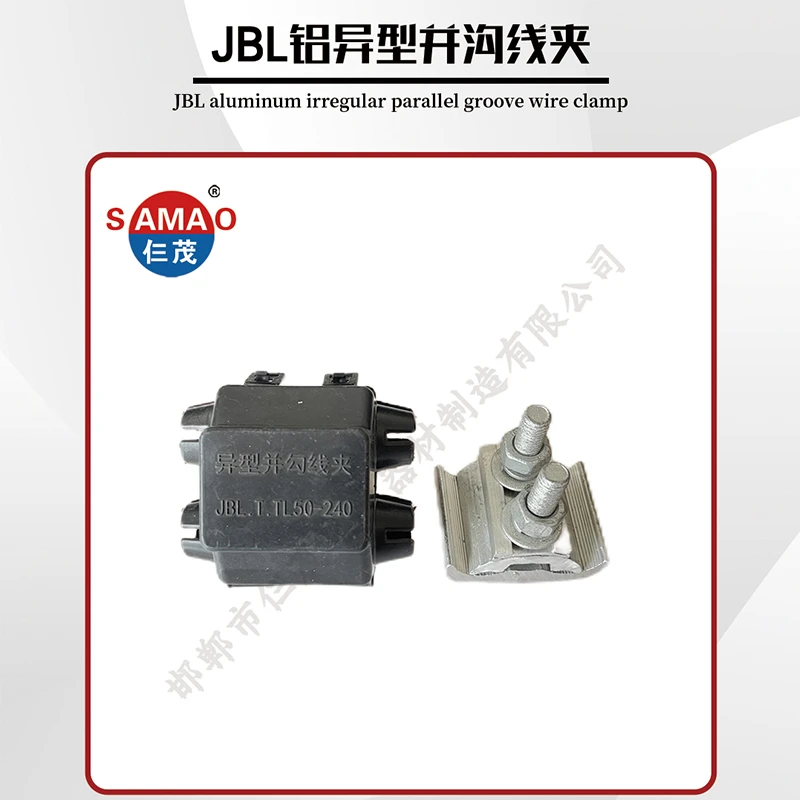
High-Performance overhead line clamp Solutions for Libya's Power Grid

Engineered for extreme arid environments, ensuring stable power transmission across the Libyan landscape with professional-grade electrical hardware.

High-Performance overhead line clamp Solutions for Libya's Power Grid

Providing the Libyan energy sector with robust, corrosion-resistant, and high-tensile clamping systems to minimize transmission downtime in desert climates.

Current Status of Power Hardware in Libya

Analyzing the impact of Saharan environmental stressors on electrical conductor fixation.

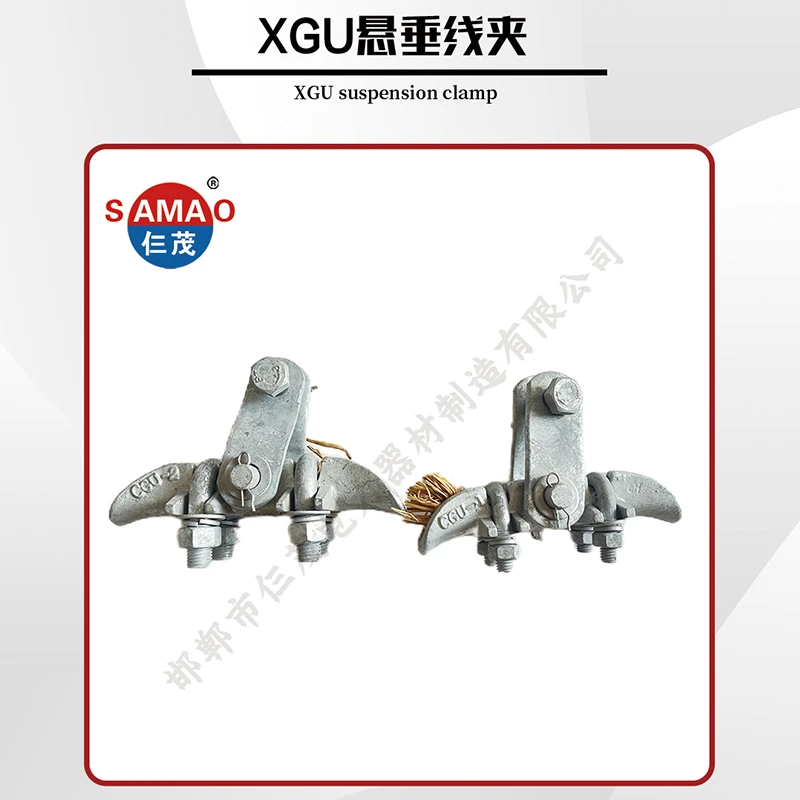
Libya's power infrastructure faces unique challenges due to extreme temperature fluctuations and high salinity in coastal regions. The widespread use of the suspension clamp is critical for maintaining line integrity across vast distances where sandstorms frequently cause mechanical vibration and abrasive wear on aluminum conductors.

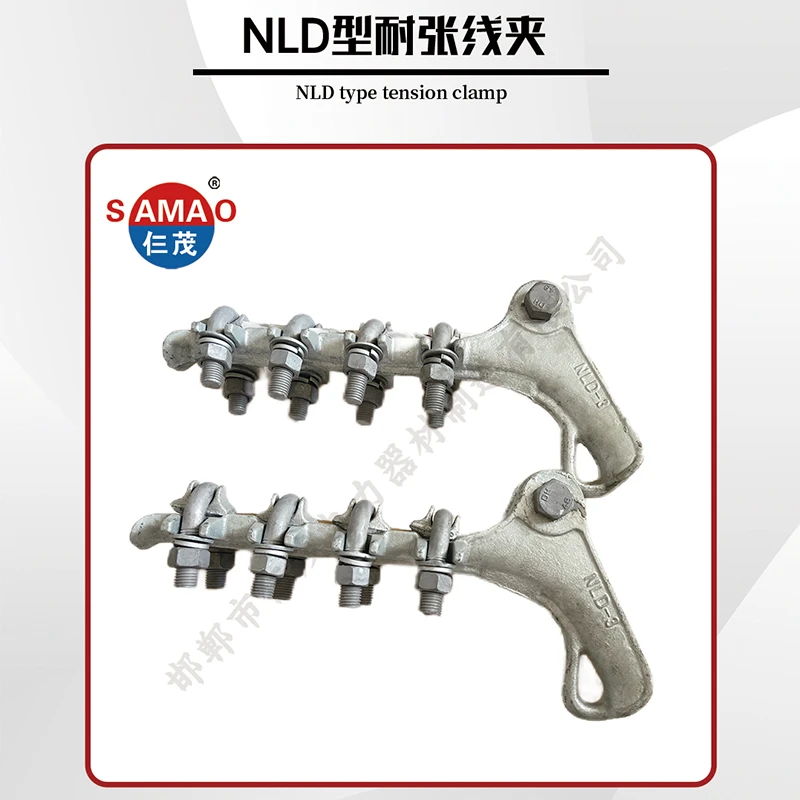
Currently, the market is transitioning from generic hardware to specialized equipment. The demand for a high-quality strain clamp has surged as the government seeks to modernize the national grid to reduce energy leakage and improve the reliability of power delivery to remote oil fields and urban centers.

Environmental degradation remains a primary concern; conventional steel clamps often suffer from rapid oxidation. This has led to an increased adoption of galvanized and composite materials in cable suspension clamp installations to extend the maintenance cycle and reduce operational expenditure for local utility companies.

Evolution and Trajectory of Power Fittings

From traditional mechanical fastening to advanced insulated engineering.

Market Development History

In the early stages of Libya's grid expansion (1970s-1990s), the industry relied heavily on basic forged steel clamps. These provided necessary strength but lacked the flexibility required for the extreme thermal expansion of lines in the Sahara, leading to frequent conductor slippage.

Between 2000 and 2015, the transition toward aluminum alloy and hot-dip galvanization became standard. The introduction of the professional insulated suspension clamp allowed for safer installations in densely populated areas and reduced the risk of flashovers during rare but intense desert rain events.

From 2016 to the present, the focus has shifted toward "smart" and "low-maintenance" fittings. The integration of vibration dampers with clamping systems has become essential to combat aeolian vibration caused by the steady desert winds.

Future Development Trends

High-Polymer Insulation Integration

Future deployments will see a shift toward fully integrated polymer-coated clamps to eliminate galvanic corrosion between different metal types.

Enhanced Tension Monitoring

The move toward IoT-enabled hardware that can signal tension loss in a strain clamp before a line failure occurs.

Climate-Adaptive Material Science

Development of alloys specifically designed to maintain mechanical properties at surface temperatures exceeding 50°C.

Industry Trends and Future Outlook

Strategic forecasting for power distribution hardware in North Africa.

Corrosion Resistance 2.0
Implementing advanced zinc-aluminum coatings to withstand the salt-mist of the Mediterranean coast.
Rapid Installation Systems
Developing wedge-lock designs that reduce installation time for rural grid extensions.
Thermal Expansion Tolerance
Optimizing clamp geometry to handle the extreme +/- 40°C daily temperature swings.
Sustainable Materials
Integrating recyclable alloys to meet new environmental standards for African infrastructure.

Industry Outlook

Google search trends for "grid modernization Africa" indicate a strong move toward upgrading legacy hardware. In Libya, the focus is shifting from emergency repairs to strategic reinforcement, meaning higher quality standards for all conductor fittings.

The coming 3-5 years will be defined by a transition toward "fit-and-forget" hardware. This means components that require zero maintenance for 25+ years, reducing the need for dangerous manual inspections in remote desert regions.

Localized Application Scenarios in Libya

Practical deployments of electrical hardware in diverse Libyan terrains.

01. Sahara Desert Long-Distance Transmission

Utilization of heavy-duty suspension clamp units to support high-voltage lines crossing the desert, where wind-induced vibration is the primary cause of fatigue.

02. Coastal City Distribution (Tripoli & Benghazi)

Deploying salt-spray resistant strain clamp solutions to prevent rapid oxidation in high-humidity maritime environments.

03. Oil Field Power Infrastructure

Installation of high-tensile cable suspension clamp systems to ensure uninterrupted power supply to critical extraction machinery in the Sirte Basin.

04. Urban Residential Grid Safety

Implementation of insulated suspension clamp hardware to prevent electrical accidents in crowded city streets and residential zones.

05. Rural Electrification Projects

Using standardized, easy-to-install overhead line clamp kits to quickly expand electricity access to nomadic communities and small agricultural villages.

Brand Story

Global Development Journey of Handan Samao Electric Power Equipment Co., Ltd.

Founding Excellence

Established with a mission to solve the most common failure points in power transmission: the connection joints.

Technical Breakthroughs

Developed proprietary galvanization processes that increased hardware lifespan by 40% in corrosive environments.

Global Expansion

Successfully entered the North African market, adapting products to meet the unique climatic demands of Libya.

Quality Certification

Achieved international ISO and IEC standards, ensuring every clamp delivered meets global safety benchmarks.

Future Commitment

Dedicated to providing zero-failure power hardware to support the global transition toward sustainable energy.

Comprehensive Power Hardware Portfolio for Libya

A full range of certified fittings designed for the African power grid.

Common Questions for Libyan Utility Projects

Expert answers regarding power hardware installation and maintenance in Libya.

Which suspension clamp is best for desert sandstorms?

For sandy environments, we recommend clamps with smooth, rounded surfaces and advanced anti-abrasion coatings to prevent sand-blasting from eroding the metal surface.

How to prevent corrosion in a strain clamp near the coast?

Using hot-dip galvanized steel or aluminum alloy strain clamps is essential. We recommend a coating thickness of at least 85 microns for coastal Libyan regions.

What are the benefits of an insulated suspension clamp in urban areas?

Insulated clamps prevent electrical leakage to the supporting structure, significantly reducing the risk of accidents in densely populated urban zones.

Can a cable suspension clamp handle high thermal expansion?

Yes, our designs include calculated tolerances that allow the conductor to expand and contract without slipping or causing mechanical stress.

What is the expected lifespan of an overhead line clamp in the Sahara?

With proper material selection and galvanization, our clamps are designed to maintain structural integrity for 25 to 30 years in arid climates.

Do your products comply with international grid standards?

All our power fittings are manufactured according to IEC and ISO standards, ensuring they are compatible with global grid infrastructure.

Ready to Upgrade Your Grid Infrastructure?

Our engineering team is ready to provide customized power fitting solutions tailored for the specific environmental challenges of Libya.

Contact Us Now

If you are interested in our products, you can choose to leave your information here, and we will be in touch with you shortly.