High-Performance overhead line clamp Solutions for Laos Grid Infrastructure

Engineering durable and secure power distribution components tailored for the challenging terrains and climatic conditions of Southeast Asia.

High-Performance overhead line clamp Solutions for Laos Grid Infrastructure

Providing industrial-grade clamping systems that ensure the stability of electrical transmission lines across the rugged landscapes of Laos, integrating advanced materials to resist corrosion and mechanical fatigue.

Current State of Power Hardware Infrastructure in Laos

Analyzing the intersection of geography and electrical hardware durability in Asia - Laos.

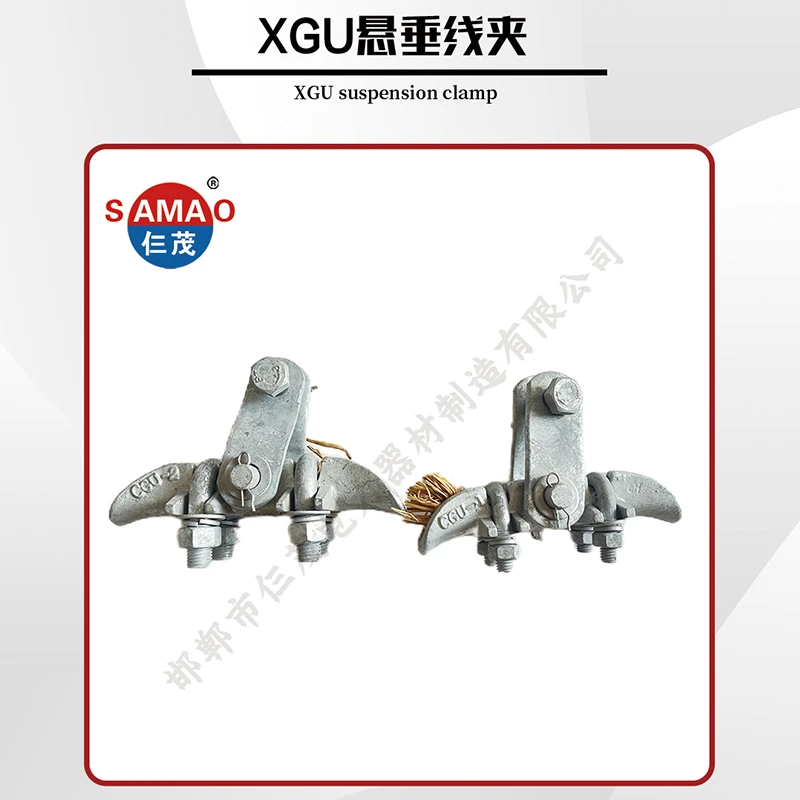
The power distribution landscape in Laos is characterized by extreme topographic diversity, from the mountainous regions of the north to the humid plains of the south. This environment places immense stress on every suspension clamp used in the grid, as fluctuating temperatures and high humidity accelerate the oxidation of standard galvanized steel.

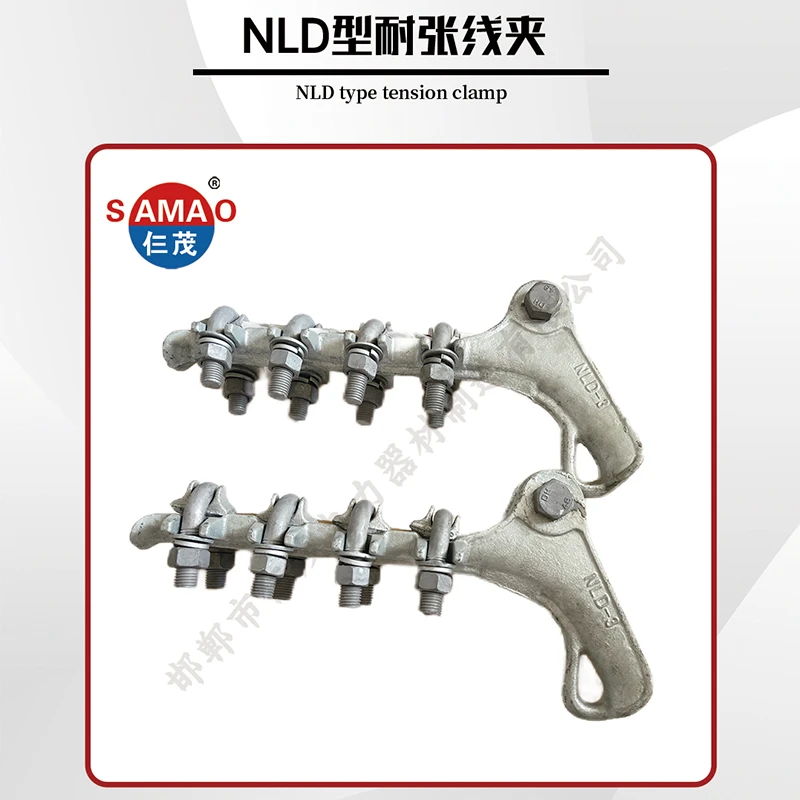
Currently, the transition toward modernized energy exports has increased the demand for high-tension hardware. The reliance on a robust strain clamp is critical in areas where steep inclines create asymmetric mechanical loads on overhead conductors, necessitating hardware that can withstand significant longitudinal stress.

Furthermore, the prevalence of dense tropical forests leads to frequent contact between vegetation and power lines. This has shifted the market preference toward the insulated suspension clamp to prevent flashovers and reduce outage frequencies during the monsoon season.

Evolution and Technological Trajectory of Line Fittings

From basic mechanical fasteners to precision-engineered power components.

Market Development History

In the early stages of electrification (pre-2000s), the Laotian grid relied heavily on basic forged iron clamps. These early iterations of the cable suspension clamp provided basic support but lacked the corrosion resistance required for long-term tropical deployment, leading to high maintenance costs.

Between 2010 and 2020, the industry saw a shift toward hot-dip galvanizing and the introduction of aluminum alloys. This era focused on increasing the tensile strength of the strain clamp to accommodate the expansion of high-voltage transmission lines connecting hydroelectric plants to regional grids.

Today, the focus has evolved into "smart hardware" and specialized insulation. The integration of composite materials has allowed for the widespread adoption of advanced clamping systems that minimize electrical leakage and maximize mechanical grip without damaging the conductor core.

Future Development Trends

High-Strength Alloy Integration

The move toward lightweight yet ultra-strong alloys to reduce the dead load on transmission towers while increasing the wind-load tolerance of overhead clamps.

Climate-Adaptive Coatings

Implementation of nano-coatings that provide superior hydrophobicity, preventing moisture accumulation on hardware in the humid Laos climate.

Standardization for Interconnectivity

Aligning hardware specifications with ASEAN regional standards to facilitate easier cross-border energy trade and infrastructure synchronization.

Industry Trends and Future Outlook (2024-2029)

Predicting the shift in electrical hardware demands based on regional energy growth.

Eco-Friendly Material Shift
Transitioning to recyclable alloys and non-toxic anti-corrosion coatings to align with Laos' green energy initiatives.
Smart Grid Integration
Implementing hardware that integrates with sensors to monitor line tension and clamp fatigue in real-time.
Automation in Install
Designing clamps with "Quick-Lock" mechanisms to reduce installation time in remote mountain areas.
Enhanced Insulation
Increased demand for polymer-based insulating sleeves to combat the high humidity and pollution levels.

Industry Outlook

Driven by the "Battery of Asia" strategy, Laos is rapidly expanding its grid capacity. Google search trends indicate a rising interest in "high-voltage transmission accessories" and "corrosion-resistant line hardware" within the Southeast Asian industrial sector, suggesting a move toward premium, long-lifecycle products.

Over the next 5 years, we expect a total replacement of legacy hardware in critical corridors. The focus will shift from mere "availability" to "reliability," where the precision of the overhead line clamp becomes a key metric for reducing grid downtime.

Localized Application Scenarios in Laos

Proven deployment of power hardware in diverse Laotian environments.

01. Hydroelectric Transmission Lines (Northern Highlands)

Deployment of high-tension strain clamp systems to secure long-span conductors crossing deep valleys, ensuring stability against extreme wind shear.

02. Urban Distribution Networks (Vientiane)

Use of compact cable suspension clamp units to manage dense cable routing in urban corridors, reducing physical clutter and improving safety.

03. Rural Electrification Projects (Southern Plains)

Implementation of cost-effective yet durable suspension clamp solutions for low-voltage distribution lines serving agricultural communities.

04. Tropical Forest Corridors (Central Regions)

Strategic installation of insulated suspension clamp hardware to prevent electrical faults caused by overgrown vegetation and high ambient moisture.

05. Industrial Zone Power Feeds (Special Economic Zones)

Application of heavy-duty overhead line clamp systems to support the high-current demands of manufacturing plants and logistics hubs.

Brand Story

Global Development Journey of Handan Samao Electric Power Equipment Manufacturing Co., Ltd.

Foundational Excellence

Established with a mission to solve the core problem of mechanical failure in power lines, we began by perfecting the metallurgy of basic clamping components.

Technical Innovation

We invested heavily in R&D to develop advanced anti-corrosion coatings, specifically targeting the needs of humid, tropical environments like Southeast Asia.

Global Expansion

By aligning our production with international ISO standards, we expanded our footprint from domestic markets to complex grids across Asia and beyond.

Strategic Partnership

Collaborating with national grid operators to create customized hardware solutions that reduce operational expenditure and increase grid uptime.

Sustainable Future

Today, we lead the way in sustainable manufacturing, ensuring every component is built for a 30+ year lifecycle to minimize environmental impact.

Comprehensive Power Hardware Portfolio for Laos

A complete range of certified fittings designed for the specific electrical demands of Asia - Laos.

Common Technical Inquiries in Laos

Expert answers to the most frequent questions regarding line hardware deployment.

Which suspension clamp is best for high-humidity areas in Laos?

For high-humidity regions, we recommend the insulated suspension clamp or those with advanced hot-dip galvanization to prevent rapid oxidation and maintain structural integrity.

How do I choose the right strain clamp for mountain terrain?

In mountainous areas, select a strain clamp with a higher rated tensile strength and a secure locking mechanism to handle the asymmetric loads caused by steep cable angles.

Can a cable suspension clamp be used for both AC and DC lines?

Yes, our cable suspension clamps are designed for mechanical support and are compatible with both AC and DC conductor types, provided the material matches the conductor.

What is the lifespan of an overhead line clamp in tropical climates?

With proper material selection (such as aluminum alloy or high-grade galvanized steel), an overhead line clamp should have a service life of 25 to 30 years in tropical environments.

Why should I use an insulated suspension clamp over a standard one?

Insulated options significantly reduce the risk of short circuits caused by tree branches or animal contact, which is a frequent occurrence in the rural landscapes of Laos.

Are your line fittings compliant with ASEAN grid standards?

Yes, our products are manufactured to meet and exceed international IEC and regional ASEAN standards, ensuring seamless integration into any national grid project.

Request a Technical Consultation

Our engineering team is ready to provide customized power hardware specifications for your infrastructure projects in Laos.

Contact Us Now

If you are interested in our products, you can choose to leave your information here, and we will be in touch with you shortly.