
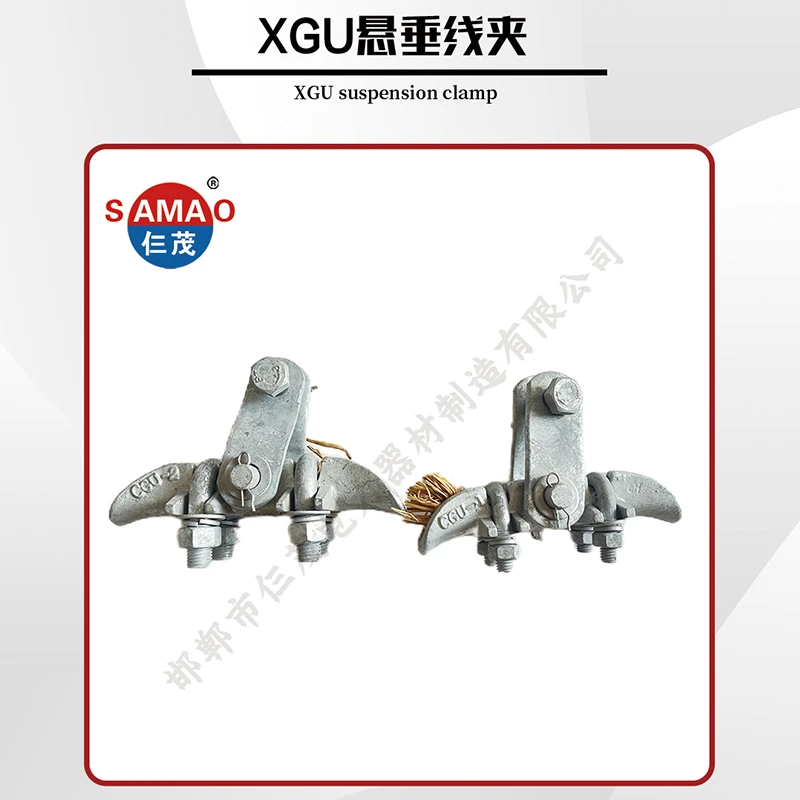
Iran's electrical infrastructure faces unique challenges due to its diverse geography, ranging from the humid Caspian coast to the arid Central Plateau. In these regions, the deployment of a reliable suspension clamp is critical to withstand high thermal expansion and contraction cycles caused by extreme temperature fluctuations.
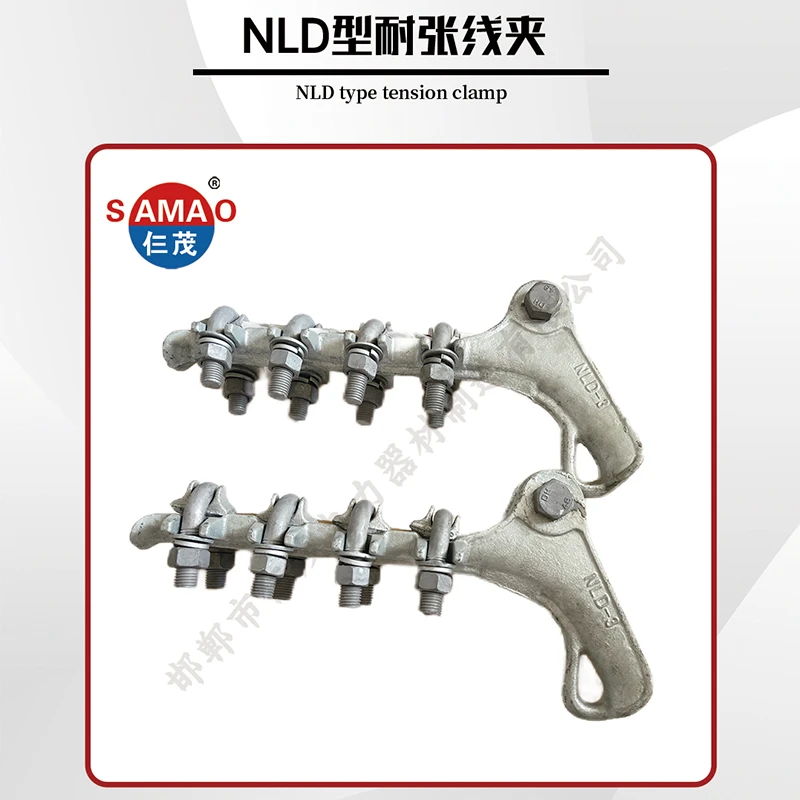
Furthermore, sandy windstorms in the southern provinces often lead to abrasive wear on conductive surfaces. The requirement for a heavy-duty strain clamp has increased as the country modernizes its high-voltage transmission lines to support industrial growth in mining and oil sectors.
Current grid stability efforts in Iran are focusing on reducing transmission losses. This necessitates the transition from traditional fittings to high-precision cable suspension clamp systems that minimize conductor fatigue and prevent slip-off during seismic activities common in the region.