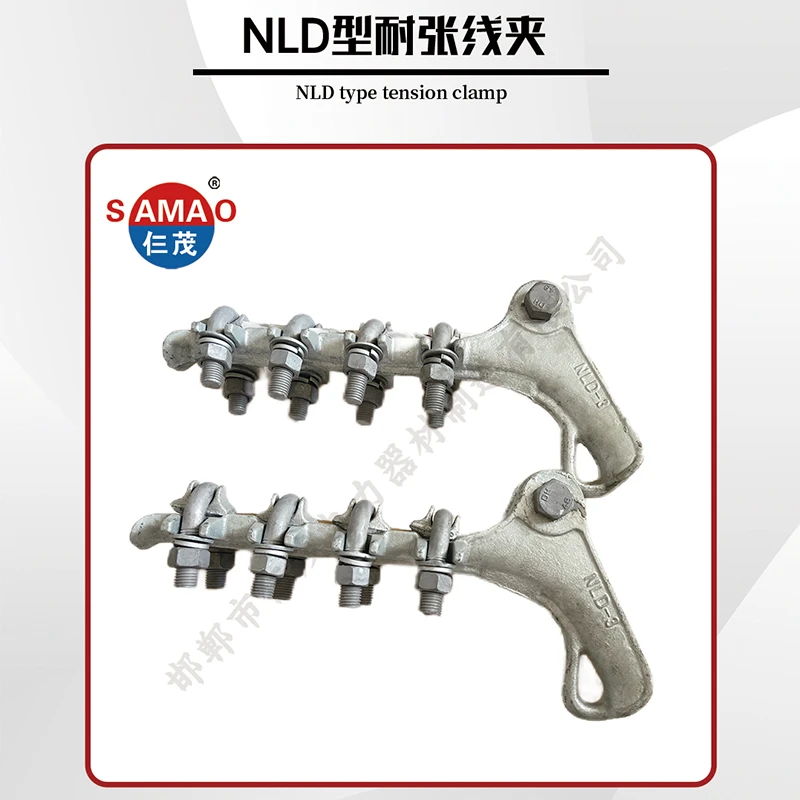
Brazil's electrical grid faces extreme environmental stressors, from the high humidity and salinity of the Atlantic coast to the dense vegetation of the Amazon basin. The widespread use of overhead line clamp systems is critical, yet they are frequently exposed to rapid oxidation and mechanical fatigue caused by tropical storm patterns.
Currently, there is a significant shift in the Brazilian market toward higher-grade materials. The demand for a robust strain clamp has increased as utilities seek to reduce downtime caused by conductor slippage and structural failures during extreme weather events in the Southern regions.
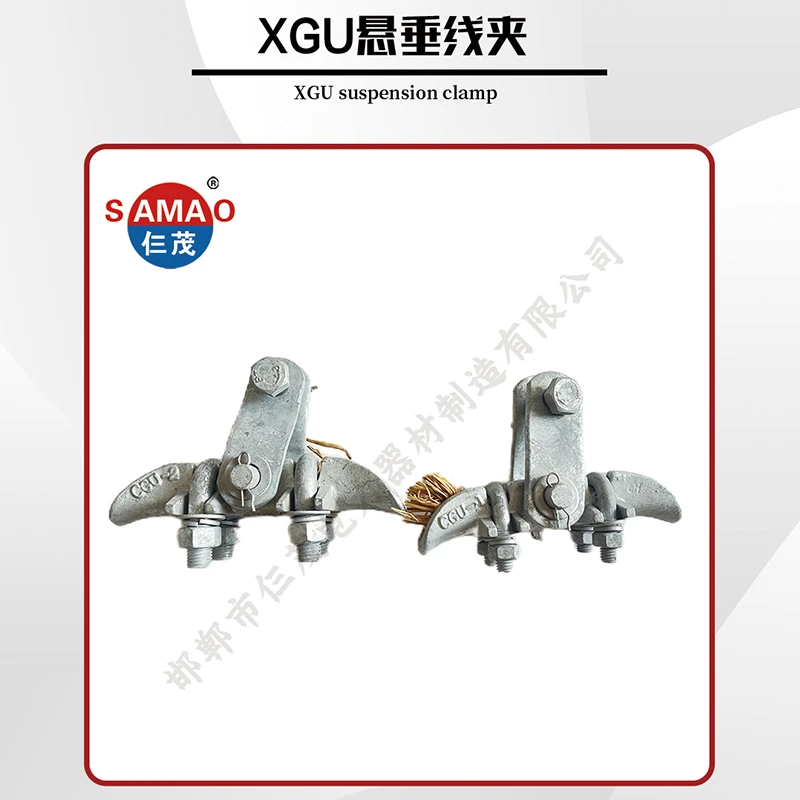
Furthermore, the integration of renewable energy sources, particularly wind and solar in the Northeast, requires a more sophisticated approach to cable management. This has led to the increased adoption of specialized suspension clamp variants that can handle fluctuating mechanical loads and varying thermal expansions.