Comprehensive Guide to Penggantungan Pengapit Kabel and Cable Support Systems
Understanding Penggantungan Pengapit Kabel: A Comprehensive Guide
When ensuring the safety and efficiency of cabling installations, selecting the right support system is crucial. Penggantungan pengapit kabel, or cable cleat, plays a vital role in securing cables, preventing damage, and maintaining structural integrity. This article provides an in-depth look at cable cleats, their applications, different types, and how to choose the best solution for your project. A well-chosen cable cleat minimizes cable stress and ensures long-term reliability. We’ll explore the factors to consider for optimal cable support.
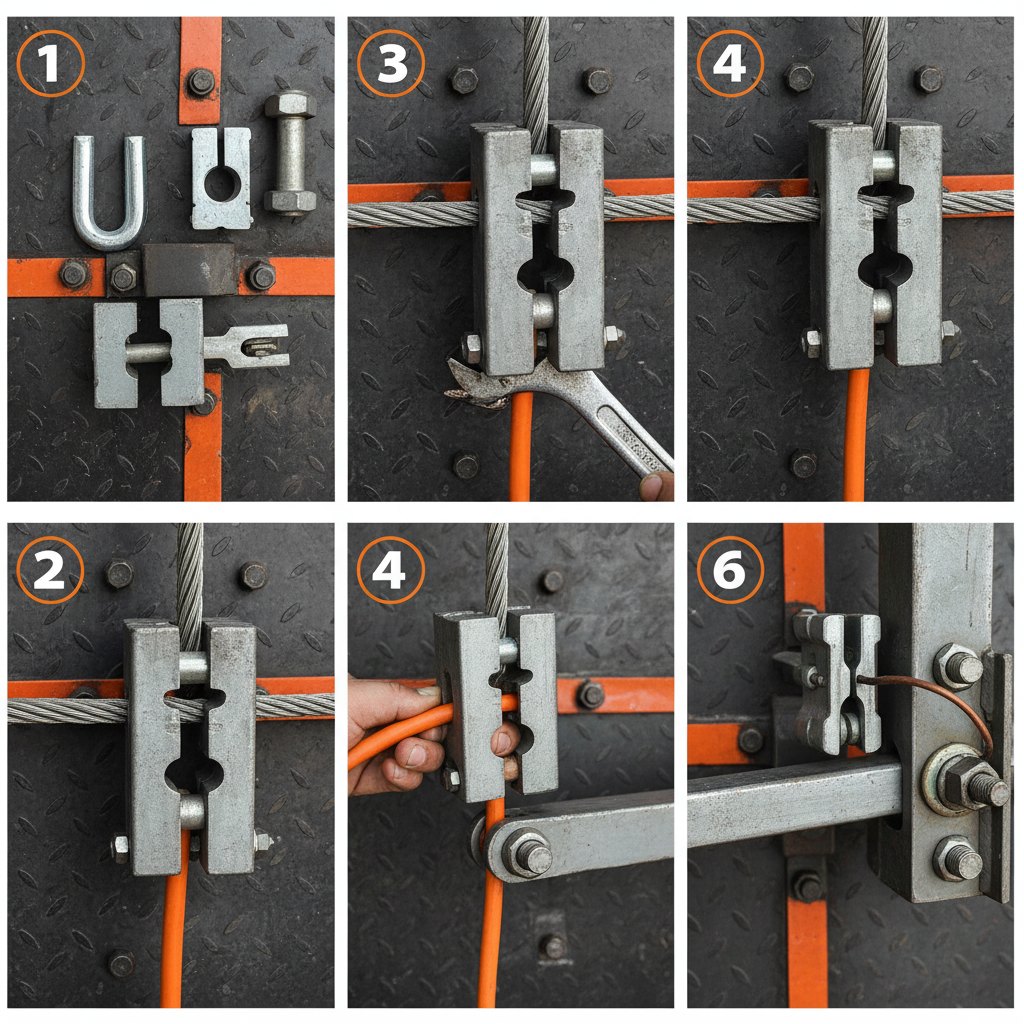
What are Penggantungan Pengapit Kabel (Cable Cleats)?
Penggantungan pengapit kabel, commonly known as cable cleats, are mechanical supports used to fix or secure electric cables to various surfaces – walls, ceilings, cable trays, and steel structures. Unlike cable ties, which rely on tension, cleats provide a rigid and secure fixing, preventing cable movement and potential damage from vibration, impact, or thermal expansion and contraction. They are essential for maintaining cable integrity, ensuring safe operation, and adhering to industry standards. Cleats distribute the load evenly, reducing stress points on the cables and extending their lifespan. Proper installation is key to maximizing the effectiveness of these supports.
Key Benefits: Provides robust and secure cable support, prevents cable damage, ensures compliance with safety standards, and extends cable lifespan.
Types of Penggantungan Pengapit Kabel
Various types of penggantungan pengapit kabel are available, each designed for specific applications and cable types. Some common types include:
- Single Cable Cleats: Designed to support a single cable.
- Twin Cable Cleats: Support two cables simultaneously.
- Trefoil Cleats: Ideal for supporting three cables bundled together.
- Multi-Cable Cleats: Suitable for supporting multiple cables in a cluster.
- Adjustable Cleats: Offer flexibility in accommodating different cable sizes.
The choice depends on the number of cables, their diameter, the installation environment, and applicable regulations. Samao EP offers a wide range of cable cleats to suit diverse requirements.
Cleat Selection Considerations:
• Cable type and size
• Installation environment (indoor/outdoor)
• Load and vibration requirements
• Compliance with industry standards
Penggantungan Pengapit Kabel: Material Considerations
The material of a cable cleat is crucial for its performance and longevity. Common materials include:
- Steel: Offers high strength and durability, suitable for heavy-duty applications.
- Stainless Steel: Provides excellent corrosion resistance, ideal for outdoor or corrosive environments.
- Aluminum: Lightweight and corrosion-resistant, often used in indoor installations.
- Plastic (Nylon, PVC): Cost-effective and provides good insulation, suitable for low-load applications.
The choice of material depends on the specific environment and the cable's protection requirements. For example, stainless steel is preferred in marine applications due to its resistance to saltwater corrosion.
Industry Standards and Compliance
Choosing cable cleats that comply with relevant industry standards is essential for ensuring safety and reliability. Standards such as IEC 61914, BS 6899, and regional electrical codes specify requirements for cable support systems. Compliance ensures that the cleats are tested and certified to withstand specific loads, environmental conditions, and fault currents. Samao EP cable cleats are designed and manufactured to meet or exceed these standards, providing customers with peace of mind.
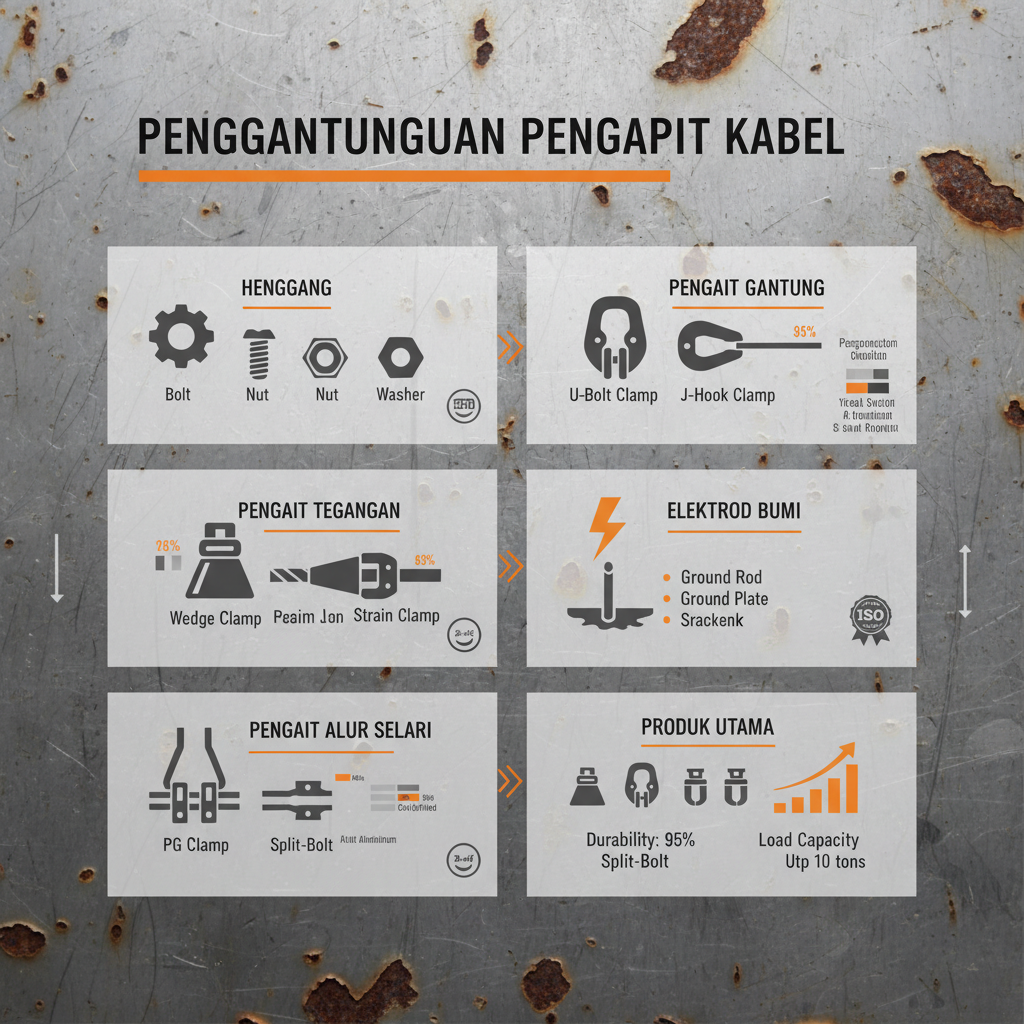
Conclusion: Securing Your Cables with Confidence
Selecting the right penggantungan pengapit kabel is a critical component of any safe and reliable cabling installation. By understanding the different types, materials, and industry standards, you can ensure optimal cable support and protection. Samao EP provides a comprehensive range of high-quality cable cleats to meet your specific needs. Investing in robust cable support systems safeguards your infrastructure and ensures long-term operational efficiency.
Frequently Asked Questions (FAQs)
What is the correct spacing between cable cleats?
The correct spacing between cable cleats depends on the cable diameter, weight, and environmental conditions. Generally, spacing should adhere to industry standards like IEC 61914, which recommends a maximum spacing of 1.5 meters for vertical runs and 2 meters for horizontal runs. However, for heavier cables or in areas with high vibration, closer spacing may be necessary. It’s crucial to consult the manufacturer’s specifications and relevant electrical codes for precise guidelines. Consider factors like cable bending radius and potential for mechanical stress when determining the optimal spacing.
How do I choose the right size cable cleat?
Selecting the right size cable cleat is vital to ensure a secure fit. Measure the outer diameter of the cable(s) accurately. The cleat should provide a snug fit without causing damage to the cable insulation. For multiple cable cleats, ensure they are appropriately sized to accommodate the bundled cables. Refer to the cleat manufacturer’s specifications for the cable diameter range supported by each cleat size. Using a cleat that is too small can restrict cable movement and create stress points, while a cleat that is too large may not provide adequate support.
Are cable cleats suitable for all cable types?
While cable cleats are versatile, their suitability depends on the cable type. They are ideal for supporting power cables, control cables, and instrumentation cables. However, fiber optic cables often require specialized support systems due to their sensitivity to bending and stress. Furthermore, ensure the cleat material is compatible with the cable's insulation to prevent corrosion or degradation. Always check the manufacturer’s recommendations for specific cable types and compatibility.
What is the difference between a single and twin cable cleat?
A single cable cleat is designed to securely hold one cable, providing individual support and preventing movement. A twin cable cleat, on the other hand, is designed to support two cables simultaneously, offering a more compact solution when running cables in pairs. The choice depends on your cabling configuration and space constraints. Twin cleats can simplify installation and reduce the number of fixings required, but ensure the cleat is appropriately sized for the combined diameter of the two cables.
-
Laundry Efficiency Guide with pengapit ampaian dengan cangkuk iNewsApr.16,2026
-
Optimizing Power Infrastructure with the pengapit ampaian tnbNewsApr.09,2026
-
Comprehensive Guide to Selecting the Right pengapit penggantungan untuk kabel lt ab SolutionsNewsApr.07,2026
-
Comprehensive Guide to Pengapit Talian Penghantaran for Secure Package DeliveryNewsApr.04,2026
-
Comprehensive Guide to Pemasangan Pengapit Penggantungan for Overhead Cabling SystemsNewsMar.31,2026
-
Comprehensive Guide to Pengapit Ampaian yang Telah Dibentuk for Construction SafetyNewsMar.28,2026
-
Comprehensive Guide to Pengapit Ampaian Besi for Scaffolding SafetyNewsMar.26,2026