Comprehensive Guide to Pengapit Suspensi Lurus for Safe Overhead Applications
Understanding Pengapit Suspensi Lurus: A Comprehensive Guide
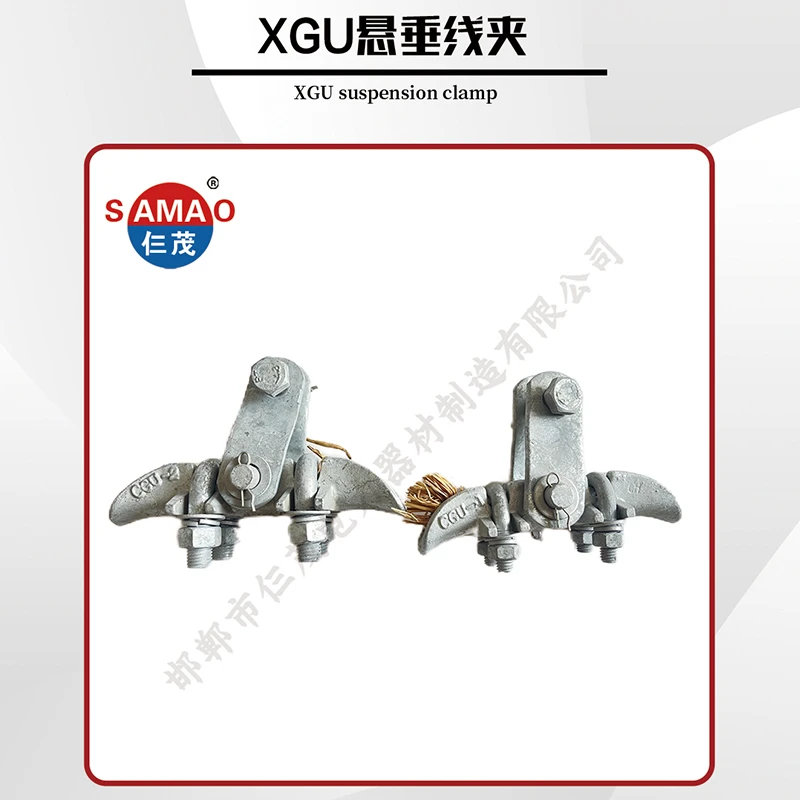
The Pengapit Suspensi Lurus, or straight suspension clamp, is a critical component in various overhead applications, particularly in electrical installations and cable management. This article delves into the purpose, types, applications, and crucial considerations when selecting and utilizing these clamps. A proper understanding of Pengapit Suspensi Lurus is vital for ensuring the safety and reliability of your infrastructure. Whether you’re an electrical engineer, contractor, or simply seeking information, this guide provides a thorough overview.
What is a Pengapit Suspensi Lurus?
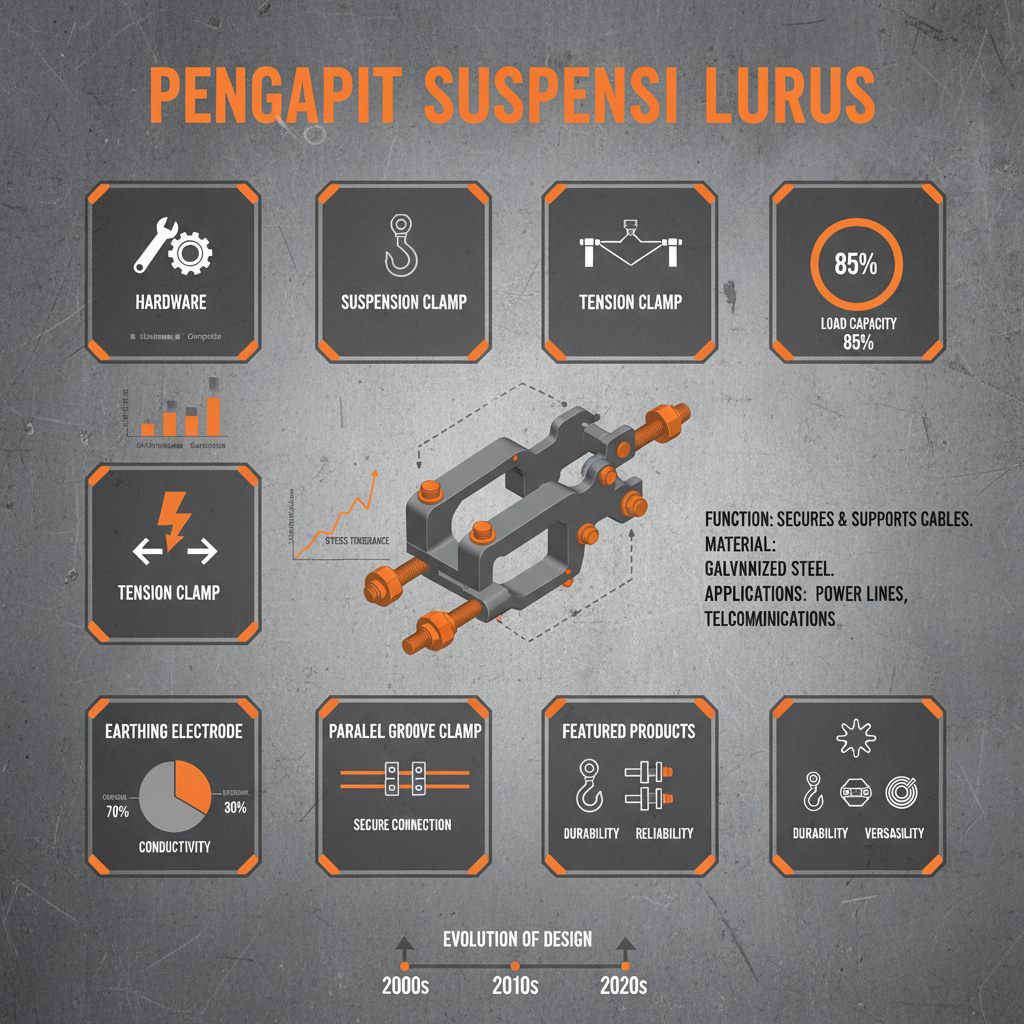
A Pengapit Suspensi Lurus is a mechanical device used to securely suspend cables or conductors from overhead supports, such as poles, beams, or ceilings. Unlike swivel suspension clamps, straight suspension clamps hold the cable in a fixed position, allowing for minimal movement. This is beneficial in applications where stability and vibration control are paramount. They are commonly made of materials like galvanized steel, aluminum alloy, or stainless steel, each offering different levels of corrosion resistance and strength. These clamps distribute the load evenly, preventing damage to the cable and ensuring its long-term integrity.
Key Highlights: Securely suspends cables from overhead supports, offers minimal cable movement, and available in various materials for different environmental conditions.
Types of Pengapit Suspensi Lurus
Different applications require different types of Pengapit Suspensi Lurus. Common types include: Bolt-Type clamps, which offer a robust and adjustable grip; Wedge-Type clamps, known for their self-tightening mechanism; and Parallel Groove clamps, primarily used for supporting aerial bundled conductors. The choice depends on the cable size, material, and the specific load requirements. Understanding these variations is crucial for selecting the most appropriate clamp for your needs. Consider factors such as conductor diameter, tensile strength, and potential environmental challenges when making your selection.
Common Types:
• Bolt-Type
• Wedge-Type
• Parallel Groove
Applications of Pengapit Suspensi Lurus
The applications of Pengapit Suspensi Lurus are widespread across various industries. They are extensively used in power distribution networks for supporting overhead cables, in telecommunications for securing fiber optic cables, and in industrial settings for managing electrical wiring. They are also commonly found in building construction for suspending lighting fixtures and other equipment. Their robust design and reliable performance make them ideal for both indoor and outdoor applications. The precise selection and installation of these clamps are critical for ensuring the safe and efficient operation of these systems.
Selecting the Right Pengapit Suspensi Lurus
Choosing the correct Pengapit Suspensi Lurus requires careful consideration of several factors. Cable diameter is paramount; the clamp must securely accommodate the specific cable size. Material compatibility is also crucial – select a material resistant to the environmental conditions. Load capacity should exceed the anticipated weight of the cable and any potential external forces. Finally, ensure the clamp meets relevant industry standards and regulations. Samaoep offers a wide range of clamps tailored to various applications.
Installation and Maintenance Best Practices
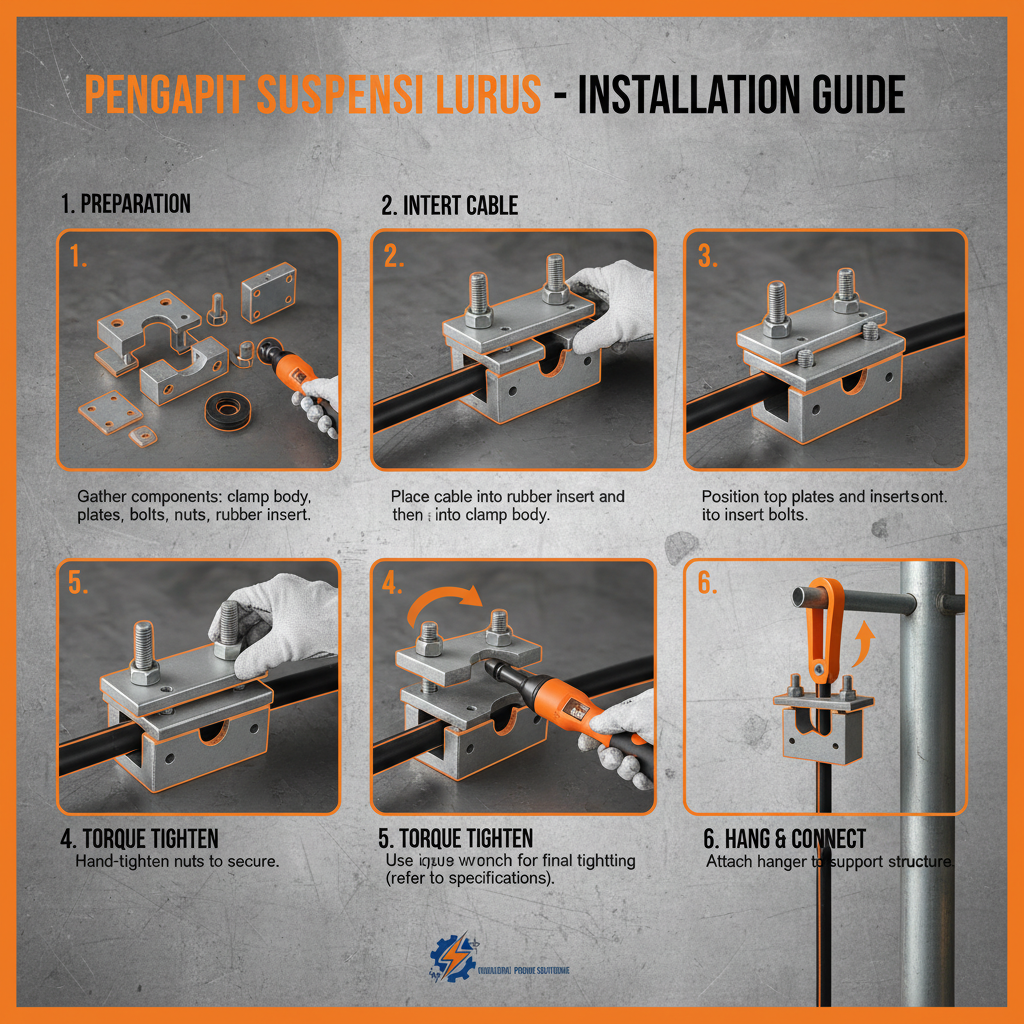
Proper installation is critical for ensuring the long-term reliability of Pengapit Suspensi Lurus. Ensure the supporting structure is adequately rated to handle the load. Tighten all bolts to the manufacturer’s specified torque. Regularly inspect the clamps for signs of corrosion, damage, or loosening. Retighten bolts as needed. Following these best practices will help prevent failures and maintain the integrity of your overhead systems. Remember to always prioritize safety during installation and maintenance procedures.
Conclusion: Ensuring Reliability with Quality Suspension Clamps
The Pengapit Suspensi Lurus is an essential component in many overhead applications. By understanding the different types, applications, and best practices for selection and installation, you can ensure the safety and reliability of your infrastructure. Samaoep provides high-quality suspension clamps designed to meet your specific needs. Invest in quality and prioritize safety.
Frequently Asked Questions (FAQs)
What materials are Pengapit Suspensi Lurus typically made from?
Common materials include galvanized steel, aluminum alloy, and stainless steel. Galvanized steel offers good corrosion resistance at a lower cost. Aluminum alloy is lightweight and provides excellent conductivity, ideal for electrical applications. Stainless steel offers the highest corrosion resistance, making it suitable for harsh environments. The optimal material depends on the specific application and environmental conditions. Samaoep offers clamps in all three materials.
How do I determine the correct size of Pengapit Suspensi Lurus for my cable?
The clamp's jaw opening must accommodate the cable diameter without over-compressing or allowing excessive play. Refer to the clamp manufacturer's specifications for the recommended cable diameter range. Always choose a clamp that provides a secure and stable grip, ensuring the cable is properly supported. Measuring the cable's outer diameter accurately is crucial for selecting the correct size.
What are the key safety considerations when installing Pengapit Suspensi Lurus?
Always de-energize electrical cables before installation. Use appropriate personal protective equipment (PPE), including gloves and safety glasses. Ensure the supporting structure is adequately rated for the load. Tighten all bolts to the manufacturer's specified torque. Regularly inspect the clamps for signs of corrosion or damage. Following these safety precautions is vital to prevent accidents and ensure a safe working environment.
-
Laundry Efficiency Guide with pengapit ampaian dengan cangkuk iNewsApr.16,2026
-
Optimizing Power Infrastructure with the pengapit ampaian tnbNewsApr.09,2026
-
Comprehensive Guide to Selecting the Right pengapit penggantungan untuk kabel lt ab SolutionsNewsApr.07,2026
-
Comprehensive Guide to Pengapit Talian Penghantaran for Secure Package DeliveryNewsApr.04,2026
-
Comprehensive Guide to Pemasangan Pengapit Penggantungan for Overhead Cabling SystemsNewsMar.31,2026
-
Comprehensive Guide to Pengapit Ampaian yang Telah Dibentuk for Construction SafetyNewsMar.28,2026
-
Comprehensive Guide to Pengapit Ampaian Besi for Scaffolding SafetyNewsMar.26,2026