Chem Rod Grounding Electrode: Superior Low-Resistance Earthing
Introduction to Advanced Grounding Systems
In critical infrastructure and industrial environments, effective grounding is paramount for operational reliability, personnel safety, and equipment protection. Traditional grounding methods often face challenges such as high soil resistivity, corrosion, and limited service life. The advent of advanced solutions, particularly the chemical grounding system, has revolutionized earthing practices. This article delves into the intricacies of the chem rod grounding electrode, exploring its manufacturing process, technical advantages, diverse applications, and adherence to stringent industry standards. We will also examine critical technical specifications, market trends, and practical deployment scenarios to provide a comprehensive understanding for B2B decision-makers and engineering professionals seeking robust and sustainable earthing solutions.
Manufacturing Process of a Chemical Grounding Electrode
The production of a high-performance chem rod grounding electrode involves a sophisticated, multi-stage process designed to ensure durability, conductivity, and long-term chemical stability. This meticulous approach guarantees optimal performance in challenging soil conditions.
Materials Selection and Preparation
- Core Conductor: Typically, high-purity copper or copper-bonded steel is chosen for its superior electrical conductivity and mechanical strength. For instance, a 20 ground rod often utilizes a copper-clad steel core to balance cost and performance, while specific applications might demand a solid copper core for maximum conductivity and corrosion resistance, especially concerning the earthing rod copper price.
- Electrolyte Mixture: A proprietary blend of hygroscopic and conductive salts is formulated. These salts are non-toxic, environmentally stable, and designed to absorb moisture from the surrounding soil, creating a low-resistivity pathway for fault currents. Common components may include magnesium sulfate, sodium chloride, or other mineral salts that do not pose a long-term environmental hazard.
- Outer Casing: High-grade copper or stainless steel tubing is used for the outer shell, providing robust corrosion resistance and structural integrity. The choice depends on the specific environmental conditions and desired service life.
Manufacturing Stages
- Core Fabrication: The core conductor (e.g., a 3/8 ground rod equivalent or larger) undergoes precise forming, often through cold drawing or forging, to achieve the required dimensions and surface finish.
- Casing Preparation: The outer copper or stainless steel casing is prepared, cut to length, and meticulously cleaned. End caps, often designed for exothermic welding or mechanical connection, are fitted.
- Electrolyte Filling: The specially formulated dry chemical compound is uniformly packed into the hollow core of the electrode. This process is crucial to ensure consistent distribution and optimal chemical reaction once installed.
- Sealing: Both ends of the electrode are hermetically sealed using methods like TIG welding or specialized epoxy resins to prevent moisture ingress during storage and transport, and to contain the electrolyte until installation.
- Quality Control & Testing: Each chem rod grounding electrode undergoes rigorous testing. This includes visual inspection, dimensional checks, resistance measurements (before and after simulated moisture exposure), and material analysis. Products are typically tested against international standards such as ISO 9001 for quality management, ANSI/UL 467 for grounding and bonding equipment, and relevant IEC standards for earthing systems. Service life is projected to exceed 30 years under normal operating conditions due to superior materials and design.
This meticulous process ensures the production of a reliable, long-lasting grounding electrode.
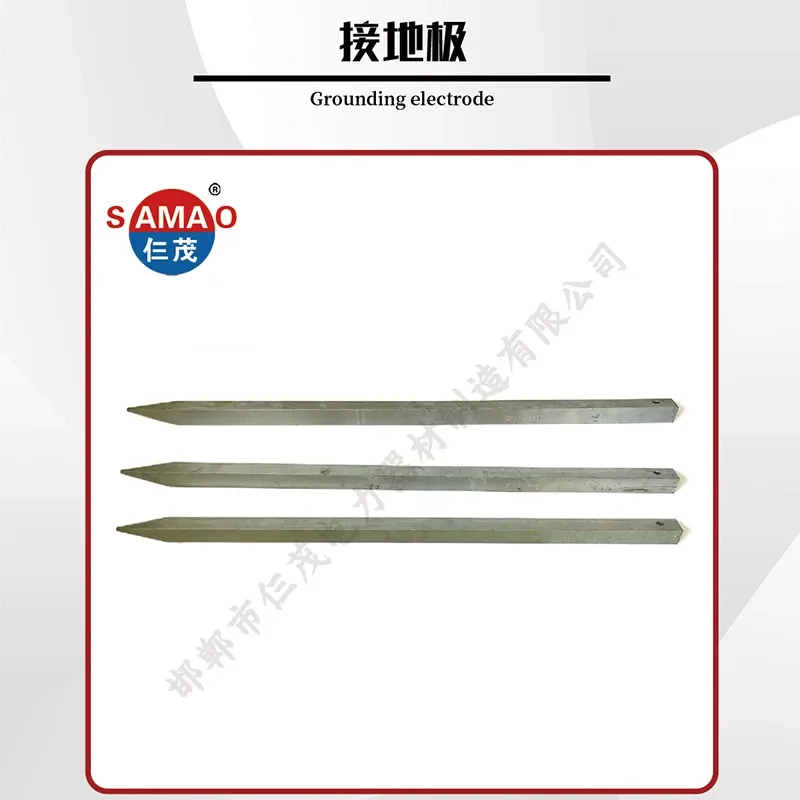
Figure 1: Illustration of a typical chem rod grounding electrode during manufacturing or testing.
Industry Trends in Grounding Technology
The landscape of grounding technology is continually evolving, driven by increased power demands, stringent safety regulations, and the proliferation of sensitive electronic equipment. Key trends influencing the adoption and development of the chem rod grounding electrode include:
- Enhanced Safety Standards: Global standards like IEC 60364-4-41 and IEEE Std 80 are pushing for lower earth resistance values to minimize touch and step potentials, critical for personnel safety in industrial settings.
- Data Center & Telecommunications Growth: The rapid expansion of data centers and 5G networks necessitates ultra-low impedance grounding systems to protect sensitive electronics from transient overvoltages and ensure signal integrity. The chem rod grounding electrode excels in these demanding environments.
- Renewable Energy Integration: Solar farms, wind power plants, and battery energy storage systems (BESS) require robust grounding for lightning protection and fault current dissipation across large geographical footprints, often in remote locations with challenging soil conditions.
- Corrosion Mitigation: Increasing awareness of galvanic corrosion and its impact on infrastructure longevity is driving demand for corrosion-resistant grounding solutions, such as copper-clad electrodes and specialized backfill compounds.
- Environmental Sustainability: A focus on eco-friendly materials and non-toxic electrolytes is becoming a critical consideration for modern chemical grounding systems, aligning with corporate social responsibility initiatives.
- Smart Grid Integration: Advanced grounding systems are increasingly integrated with smart grid infrastructure, requiring solutions that can withstand higher fault currents and contribute to overall grid resilience.
These trends highlight the imperative for innovative grounding solutions that offer superior performance, longevity, and adaptability, precisely where the chem rod grounding electrode provides significant value.
Technical Specifications and Parameters
Understanding the technical specifications of a chem rod grounding electrode is crucial for proper system design and selection. These electrodes are engineered to provide a stable, low-impedance path to earth, particularly effective in areas with high soil resistivity.
Key Parameters of a Grounding Electrode
| Parameter | Description | Typical Values (Samaoep Grounding Electrode) |
|---|---|---|
| Material | Outer casing and internal conductor for optimal current transfer and corrosion resistance. | High-purity Copper (99.9%) or Copper-Clad Steel (≥90µm plating) |
| Electrolyte Fill | Proprietary hygroscopic, non-toxic, and environmentally stable conductive salts. | Moisture-absorbing mineral salts (e.g., Magnesium Sulfate blend) |
| Electrode Length | Standard and custom lengths available to meet various resistivity and depth requirements. | 2.4m, 3.0m, 6.0m (8ft, 10ft, 20ft); Custom up to 10m |
| Electrode Diameter | Outer diameter of the cylindrical electrode. | 50mm, 75mm (2", 3"); Custom options |
| Connection Point | Standardized connection for earthing conductors. | Exothermic welding point, compression lug, threaded connection |
| Earth Resistance | Targeted resistance value in typical soil conditions. | As low as 0.5 Ohms (depending on soil and configuration) |
| Service Life | Expected operational life under normal environmental conditions. | >30 Years |
| Standards Compliance | Adherence to relevant international and industry standards. | UL 467, IEEE Std 80, IEC 60364, ISO 9001 |
The design and material choices for each chem rod grounding electrode are optimized for specific applications, ranging from high-resistivity soil environments to installations requiring minimal long-term maintenance. The active chemical fills effectively lower the surrounding soil resistivity, ensuring stable grounding performance even in areas with dry or rocky soil.
Application Scenarios and Target Industries
The versatility and superior performance of the chem rod grounding electrode make it ideal for a wide array of demanding applications across various industries where stable, low-resistance grounding is critical.
Target Industries:
- Petrochemical and Oil & Gas: Essential for preventing static electricity buildup and providing lightning protection in hazardous environments, ensuring the safety of personnel and preventing catastrophic ignitions.
- Power Generation & Transmission: Critical for substations, power plants (conventional and renewable), and transmission line towers to dissipate fault currents, protect equipment from surges, and stabilize grid operations.
- Telecommunications & Data Centers: Provides ultra-low impedance grounding for sensitive electronic equipment, ensuring data integrity and protecting against electromagnetic interference (EMI) and lightning strikes.
- Metallurgy & Mining: Robust grounding solutions are required for heavy machinery, processing plants, and electrical systems operating in harsh, often corrosive, environments.
- Water Supply & Drainage: Protection for pumping stations, treatment facilities, and control systems against electrical faults and lightning.
- Transportation Infrastructure: Grounding for railway systems, airports, and highway control systems, ensuring operational safety and reliability.
- Military & Defense: Secure and reliable grounding for critical communication, radar, and other sensitive military installations.
Advantages in Typical Application Scenarios:
- Energy Saving: By maintaining a consistently low earth resistance, the chemical grounding system minimizes system losses and ensures efficient operation of protective devices, indirectly contributing to energy efficiency.
- Corrosion Resistance: The use of high-grade copper or stainless steel casing, combined with the stable chemical fill, significantly enhances corrosion resistance compared to bare copper or galvanized steel rods, extending the system's operational life.
- Remote Locations/High Resistivity Soil: In areas with rocky terrain, sandy soil, or permafrost, where achieving target resistance with conventional methods (e.g., multiple 20 ground rod installations) is difficult or impossible, the chem rod grounding electrode provides a practical and effective solution, often reducing the number of electrodes required.
- Long-Term Stability: The internal electrolyte maintains a consistent moisture level around the electrode, stabilizing earth resistance over time and through varying seasonal conditions, reducing the need for frequent maintenance or re-treatment of the soil.
Technical Advantages Over Conventional Grounding
The intrinsic design of the chem rod grounding electrode offers distinct technical advantages that set it apart from traditional grounding methods, particularly in challenging environments.
- Superior Earth Resistance Reduction: The hygroscopic chemical salts within the electrode actively draw moisture from the soil, creating a conductive zone around the electrode. This effectively lowers the local soil resistivity by up to 90% compared to native soil, making it far more efficient than passive electrodes like a standard 20 ground rod in high-resistivity areas.
- Stable Performance in Varying Conditions: Unlike conventional systems susceptible to seasonal changes (e.g., dry summers or frozen winters), the internal electrolyte ensures a consistently low resistance value over time by maintaining moisture levels, offering predictable performance year-round.
- Reduced Footprint: To achieve a target earth resistance, significantly fewer chemical electrodes are typically required compared to an array of conventional ground rods. This leads to a smaller grounding system footprint, reducing excavation costs, material usage, and installation time, especially for complex designs involving numerous `3/8 ground rod` equivalents.
- Enhanced Corrosion Protection: The high-grade copper or stainless steel outer casing provides robust protection against chemical degradation and galvanic corrosion, which is a common failure mechanism for bare metal electrodes. This superior material choice directly contributes to the longer service life and reduced maintenance.
- Self-Regenerating Properties: The internal chemical compound gradually leaches into the surrounding soil, replenishing the conductive medium. This 'self-regenerating' aspect extends the effective life of the grounding system without requiring external additives or re-treatment.
- Effective Against Transient Overvoltages: The low impedance path offered by the chemical grounding system is highly effective in dissipating lightning surges and other transient overvoltages, protecting sensitive electronic equipment and ensuring system reliability.
These advantages underscore why the chem rod grounding electrode is a preferred choice for engineers facing difficult soil conditions or requiring uncompromising grounding performance.
Vendor Comparison: Chemical Grounding Systems
When selecting a chemical grounding system, it is crucial to evaluate vendors based on product quality, adherence to standards, technical support, and customization capabilities. While many suppliers offer variations of the chem rod grounding electrode, key differentiators often lie in the material science, manufacturing precision, and long-term performance guarantees.
| Feature/Criteria | Samaoep Grounding Electrode (Example) | Generic Competitor A | Generic Competitor B |
|---|---|---|---|
| Electrode Material | 99.9% Pure Copper / Thick Copper-Clad Steel | Copper-Clad Steel (variable thickness) | Galvanized Steel with Copper Cap |
| Electrolyte Composition | Proprietary, non-toxic, eco-friendly hygroscopic blend | Standard mineral salt blend | Generic conductive chemical, may contain harmful salts |
| Standards Compliance | UL 467, IEEE Std 80, IEC 60364, ISO 9001 | Some local standards, basic CE | Internal QA only |
| Projected Service Life | 30+ Years | 15-20 Years | 5-10 Years |
| Performance Stability | Excellent, minimal seasonal variation | Good, some seasonal variation | Fair, significant seasonal variation |
| Technical Support & Design | Comprehensive site survey, custom design, installation guidance | Basic product selection support | Limited, product-only support |
Samaoep's dedication to quality materials, stringent manufacturing, and adherence to leading international standards (like UL 467) ensures a superior product. This commitment is reflected in the product's extended service life and stable performance, which directly impacts the total cost of ownership and system reliability for critical B2B applications.
Customized Solutions and Design Expertise
Effective grounding is rarely a one-size-fits-all solution. Samaoep specializes in providing customized grounding solutions tailored to the unique geological, environmental, and electrical requirements of each project. This includes working with clients to determine the optimal configuration of the chem rod grounding electrode.
- Site-Specific Resistivity Analysis: Our experts conduct or review detailed soil resistivity surveys to accurately model the subsurface conditions. This data is critical for precise grounding system design.
- System Configuration: Depending on the target earth resistance, fault current levels, and available space, we design the optimal layout, including the number of electrodes, their spacing, depth of installation (e.g., vertical vs. horizontal), and connection methods (e.g., exothermic welding for robust, low-resistance connections).
- Material Selection: While high-purity copper is standard, options for corrosion-resistant stainless steel casings are available for extremely aggressive soil conditions or specific industrial chemical exposure.
- Backfill Compounds: In conjunction with the chem rod grounding electrode, specialized conductive backfill materials (like Bentonite or carbon-based compounds) can be recommended to further enhance performance, particularly in highly challenging soil.
- Transient Protection Integration: Our solutions extend to integrating the grounding system with comprehensive lightning protection and surge protection devices (SPDs) to ensure holistic electrical safety.
- Project Management & Support: From initial consultation and design to installation supervision and post-installation testing, our team provides end-to-end support to ensure the customized solution meets all performance and compliance requirements.
With decades of experience in the field, Samaoep leverages advanced simulation tools and deep engineering knowledge to deliver high-performance, cost-effective, and code-compliant grounding solutions that maximize safety and operational uptime.
Application Case Studies
The proven efficacy of the chem rod grounding electrode is best illustrated through real-world applications where it has significantly improved grounding performance and reliability.
Case Study 1: Remote Telecommunications Tower
- Challenge: A telecommunications provider needed to establish a stable, low-resistance grounding system for a new 5G tower located in a mountainous region with extremely high soil resistivity (average 2500 Ohm-meters) and limited space. Traditional grounding methods using multiple 20 ground rod arrays failed to achieve the target resistance of
- Solution: Samaoep designed and deployed a system utilizing three 3-meter chem rod grounding electrode units, installed vertically, along with a conductive backfill material.
- Result: Post-installation testing revealed a stable earth resistance of 2.8 Ohms, well within the target. The compact solution significantly reduced the installation footprint and provided enhanced lightning protection for sensitive communication equipment, ensuring reliable network uptime even during severe weather events. The customer reported a 70% reduction in installation time compared to conventional methods they previously attempted.
Case Study 2: Industrial Substation Upgrade
- Challenge: An aging industrial substation required an upgrade to meet modern safety standards (IEEE Std 80) and accommodate increased fault current levels. The existing grounding grid, consisting of buried copper strips and scattered 3/8 ground rod installations, showed signs of corrosion and inconsistent resistance readings, particularly during dry seasons.
- Solution: A hybrid grounding solution was implemented, reinforcing the existing grid with strategic placement of five 6-meter chem rod grounding electrode units in key areas identified by a detailed soil resistivity survey.
- Result: The overall earth resistance of the substation was consistently brought down to less than 1 Ohm, meeting the updated safety requirements. The chemical electrodes provided a stable reference ground, effectively mitigating seasonal variations and improving the safety of personnel against touch and step potentials. The client noted a significant improvement in the reliability of protective relay operations.
Case Study 3: Data Center Expansion
- Challenge: A new data center module required an ultra-low impedance grounding system (
- Solution: Samaoep designed a concentrated grounding system utilizing six 3-meter chem rod grounding electrode units, strategically placed and connected via an interconnected grid of copper conductors. The design was optimized using CDEGS software for transient performance.
- Result: The implemented system achieved an impressive stable earth resistance of 0.35 Ohms, far exceeding the client's stringent requirements. This solution not only provided superior protection for highly sensitive IT equipment but also maximized the available space within the data center facility.
Trustworthiness and Support ( Principles)
At Samaoep, our commitment to reliability and customer satisfaction is built on a foundation of transparency, robust support, and adherence to the highest industry standards for every chem rod grounding electrode we provide.
Frequently Asked Questions (FAQ)
- Q: What makes a chemical grounding system superior to conventional ground rods?
- A: Chemical grounding systems utilize a proprietary blend of hygroscopic salts within a conductive electrode. These salts draw moisture from the soil, creating a low-resistivity, stable connection to earth that is significantly more effective, especially in high-resistivity soil, and less susceptible to seasonal changes than a bare 20 ground rod.
- Q: Is the electrolyte used in the chem rod grounding electrode environmentally safe?
- A: Yes, Samaoep's chemical grounding electrodes are filled with non-toxic, environmentally stable mineral salts that comply with relevant environmental regulations. They do not contain hazardous materials and are designed for long-term safe deployment.
- Q: What is the typical service life of your chemical grounding electrodes?
- A: Our chem rod grounding electrode units are engineered for exceptional longevity, with a projected service life exceeding 30 years under typical operating conditions, significantly outperforming conventional electrodes.
- Q: Can these electrodes be customized for specific project requirements?
- A: Absolutely. We offer a range of lengths, diameters, and connection options. Our engineering team provides comprehensive design services, including soil resistivity analysis and system configuration tailored to your site's unique conditions.
Lead Time and Fulfillment
Samaoep maintains efficient manufacturing processes and robust supply chain management to ensure timely delivery. Standard chem rod grounding electrode units are typically shipped within 2-4 weeks of order confirmation. For large-scale projects or custom configurations, lead times will be provided with the project proposal, reflecting specific material sourcing and production schedules. We work closely with logistics partners to ensure secure and efficient global delivery.
Warranty Commitments
All Samaoep chem rod grounding electrode products come with a comprehensive 10-year warranty against manufacturing defects and material failures, underscoring our confidence in product quality and longevity. This warranty ensures peace of mind for our clients, guaranteeing performance and reliability in the long term. Detailed warranty terms and conditions are available upon request.
Customer Support and After-Sales Service
Our commitment extends beyond product delivery. Samaoep offers dedicated customer support, including technical assistance for installation, troubleshooting, and maintenance guidance. Our experienced engineers are available for consultation, site visits, and post-installation performance evaluations to ensure optimal system operation throughout its service life. We pride ourselves on responsive, expert support, ensuring your grounding system performs as expected for decades.
Conclusion
The chem rod grounding electrode represents a critical advancement in earthing technology, offering unparalleled performance, longevity, and reliability for modern industrial and infrastructure applications. Its sophisticated design, incorporating high-grade materials and an active chemical fill, effectively addresses the challenges of high soil resistivity, corrosion, and the need for stable, ultra-low resistance grounding. As industries continue to evolve with increased power demands and stringent safety requirements, adopting such advanced chemical grounding system solutions is not merely an option but a strategic imperative. By choosing high-quality, certified chemical electrodes, B2B decision-makers and engineers can ensure the safety of personnel, protect valuable assets, and guarantee the operational integrity of their critical electrical systems for decades to come.
Citations
- IEEE Std 80-2013, IEEE Guide for Safety in AC Substation Grounding. IEEE, 2013.
- IEC 60364-4-41, Low-voltage electrical installations – Part 4-41: Protection for safety – Protection against electric shock. International Electrotechnical Commission, 2005.
- UL 467, Standard for Grounding and Bonding Equipment. Underwriters Laboratories, 2013.
- ISO 9001:2015, Quality management systems — Requirements. International Organization for Standardization, 2015.
- Dwyer, M.J. and F.J. Zybko. "Design and Installation of Grounding Systems for Substations." IEEE Transactions on Power Apparatus and Systems, vol. PAS-99, no. 5, 1980, pp. 2015-2023.
- Sverak, J.G. "Performance of grounding systems in various soil conditions." IEEE Transactions on Power Delivery, vol. 1, no. 1, 1986, pp. 1-8.
-
Laundry Efficiency Guide with pengapit ampaian dengan cangkuk iNewsApr.16,2026
-
Optimizing Power Infrastructure with the pengapit ampaian tnbNewsApr.09,2026
-
Comprehensive Guide to Selecting the Right pengapit penggantungan untuk kabel lt ab SolutionsNewsApr.07,2026
-
Comprehensive Guide to Pengapit Talian Penghantaran for Secure Package DeliveryNewsApr.04,2026
-
Comprehensive Guide to Pemasangan Pengapit Penggantungan for Overhead Cabling SystemsNewsMar.31,2026
-
Comprehensive Guide to Pengapit Ampaian yang Telah Dibentuk for Construction SafetyNewsMar.28,2026
-
Comprehensive Guide to Pengapit Ampaian Besi for Scaffolding SafetyNewsMar.26,2026
Chem Rod Grounding Electrode: Superior Low-Resistance Earthing
Introduction to Advanced Grounding Systems
In critical infrastructure and industrial environments, effective grounding is paramount for operational reliability, personnel safety, and equipment protection. Traditional grounding methods often face challenges such as high soil resistivity, corrosion, and limited service life. The advent of advanced solutions, particularly the chemical grounding system, has revolutionized earthing practices. This article delves into the intricacies of the chem rod grounding electrode, exploring its manufacturing process, technical advantages, diverse applications, and adherence to stringent industry standards. We will also examine critical technical specifications, market trends, and practical deployment scenarios to provide a comprehensive understanding for B2B decision-makers and engineering professionals seeking robust and sustainable earthing solutions.
Manufacturing Process of a Chemical Grounding Electrode
The production of a high-performance chem rod grounding electrode involves a sophisticated, multi-stage process designed to ensure durability, conductivity, and long-term chemical stability. This meticulous approach guarantees optimal performance in challenging soil conditions.
Materials Selection and Preparation
- Core Conductor: Typically, high-purity copper or copper-bonded steel is chosen for its superior electrical conductivity and mechanical strength. For instance, a 20 ground rod often utilizes a copper-clad steel core to balance cost and performance, while specific applications might demand a solid copper core for maximum conductivity and corrosion resistance, especially concerning the earthing rod copper price.
- Electrolyte Mixture: A proprietary blend of hygroscopic and conductive salts is formulated. These salts are non-toxic, environmentally stable, and designed to absorb moisture from the surrounding soil, creating a low-resistivity pathway for fault currents. Common components may include magnesium sulfate, sodium chloride, or other mineral salts that do not pose a long-term environmental hazard.
- Outer Casing: High-grade copper or stainless steel tubing is used for the outer shell, providing robust corrosion resistance and structural integrity. The choice depends on the specific environmental conditions and desired service life.
Manufacturing Stages
- Core Fabrication: The core conductor (e.g., a 3/8 ground rod equivalent or larger) undergoes precise forming, often through cold drawing or forging, to achieve the required dimensions and surface finish.
- Casing Preparation: The outer copper or stainless steel casing is prepared, cut to length, and meticulously cleaned. End caps, often designed for exothermic welding or mechanical connection, are fitted.
- Electrolyte Filling: The specially formulated dry chemical compound is uniformly packed into the hollow core of the electrode. This process is crucial to ensure consistent distribution and optimal chemical reaction once installed.
- Sealing: Both ends of the electrode are hermetically sealed using methods like TIG welding or specialized epoxy resins to prevent moisture ingress during storage and transport, and to contain the electrolyte until installation.
- Quality Control & Testing: Each chem rod grounding electrode undergoes rigorous testing. This includes visual inspection, dimensional checks, resistance measurements (before and after simulated moisture exposure), and material analysis. Products are typically tested against international standards such as ISO 9001 for quality management, ANSI/UL 467 for grounding and bonding equipment, and relevant IEC standards for earthing systems. Service life is projected to exceed 30 years under normal operating conditions due to superior materials and design.
This meticulous process ensures the production of a reliable, long-lasting grounding electrode.
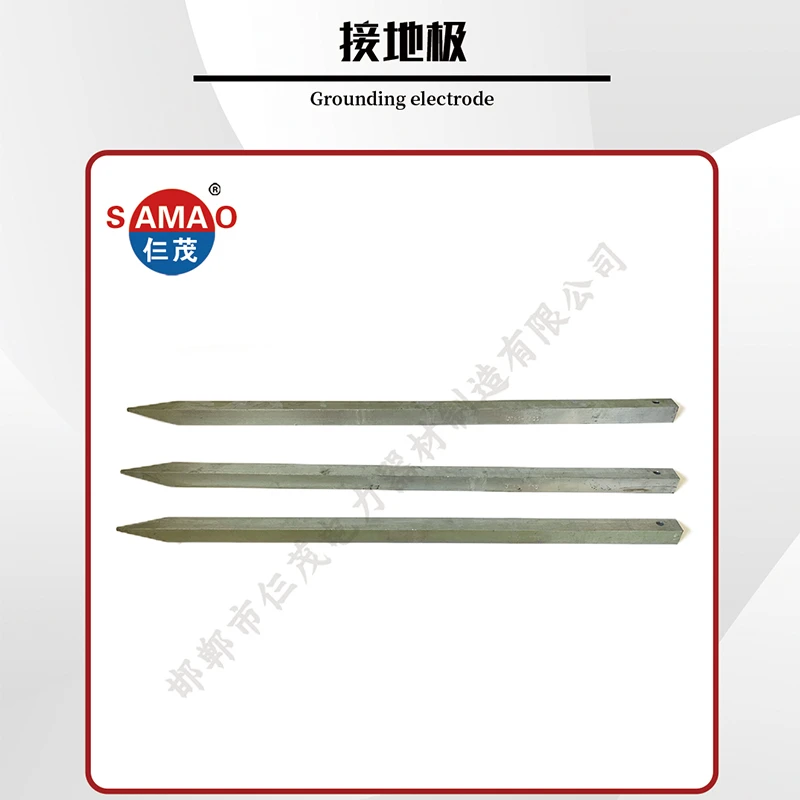
Figure 1: Illustration of a typical chem rod grounding electrode during manufacturing or testing.
Industry Trends in Grounding Technology
The landscape of grounding technology is continually evolving, driven by increased power demands, stringent safety regulations, and the proliferation of sensitive electronic equipment. Key trends influencing the adoption and development of the chem rod grounding electrode include:
- Enhanced Safety Standards: Global standards like IEC 60364-4-41 and IEEE Std 80 are pushing for lower earth resistance values to minimize touch and step potentials, critical for personnel safety in industrial settings.
- Data Center & Telecommunications Growth: The rapid expansion of data centers and 5G networks necessitates ultra-low impedance grounding systems to protect sensitive electronics from transient overvoltages and ensure signal integrity. The chem rod grounding electrode excels in these demanding environments.
- Renewable Energy Integration: Solar farms, wind power plants, and battery energy storage systems (BESS) require robust grounding for lightning protection and fault current dissipation across large geographical footprints, often in remote locations with challenging soil conditions.
- Corrosion Mitigation: Increasing awareness of galvanic corrosion and its impact on infrastructure longevity is driving demand for corrosion-resistant grounding solutions, such as copper-clad electrodes and specialized backfill compounds.
- Environmental Sustainability: A focus on eco-friendly materials and non-toxic electrolytes is becoming a critical consideration for modern chemical grounding systems, aligning with corporate social responsibility initiatives.
- Smart Grid Integration: Advanced grounding systems are increasingly integrated with smart grid infrastructure, requiring solutions that can withstand higher fault currents and contribute to overall grid resilience.
These trends highlight the imperative for innovative grounding solutions that offer superior performance, longevity, and adaptability, precisely where the chem rod grounding electrode provides significant value.
Technical Specifications and Parameters
Understanding the technical specifications of a chem rod grounding electrode is crucial for proper system design and selection. These electrodes are engineered to provide a stable, low-impedance path to earth, particularly effective in areas with high soil resistivity.
Key Parameters of a Grounding Electrode
| Parameter | Description | Typical Values (Samaoep Grounding Electrode) |
|---|---|---|
| Material | Outer casing and internal conductor for optimal current transfer and corrosion resistance. | High-purity Copper (99.9%) or Copper-Clad Steel (≥90µm plating) |
| Electrolyte Fill | Proprietary hygroscopic, non-toxic, and environmentally stable conductive salts. | Moisture-absorbing mineral salts (e.g., Magnesium Sulfate blend) |
| Electrode Length | Standard and custom lengths available to meet various resistivity and depth requirements. | 2.4m, 3.0m, 6.0m (8ft, 10ft, 20ft); Custom up to 10m |
| Electrode Diameter | Outer diameter of the cylindrical electrode. | 50mm, 75mm (2", 3"); Custom options |
| Connection Point | Standardized connection for earthing conductors. | Exothermic welding point, compression lug, threaded connection |
| Earth Resistance | Targeted resistance value in typical soil conditions. | As low as 0.5 Ohms (depending on soil and configuration) |
| Service Life | Expected operational life under normal environmental conditions. | >30 Years |
| Standards Compliance | Adherence to relevant international and industry standards. | UL 467, IEEE Std 80, IEC 60364, ISO 9001 |
The design and material choices for each chem rod grounding electrode are optimized for specific applications, ranging from high-resistivity soil environments to installations requiring minimal long-term maintenance. The active chemical fills effectively lower the surrounding soil resistivity, ensuring stable grounding performance even in areas with dry or rocky soil.
Application Scenarios and Target Industries
The versatility and superior performance of the chem rod grounding electrode make it ideal for a wide array of demanding applications across various industries where stable, low-resistance grounding is critical.
Target Industries:
- Petrochemical and Oil & Gas: Essential for preventing static electricity buildup and providing lightning protection in hazardous environments, ensuring the safety of personnel and preventing catastrophic ignitions.
- Power Generation & Transmission: Critical for substations, power plants (conventional and renewable), and transmission line towers to dissipate fault currents, protect equipment from surges, and stabilize grid operations.
- Telecommunications & Data Centers: Provides ultra-low impedance grounding for sensitive electronic equipment, ensuring data integrity and protecting against electromagnetic interference (EMI) and lightning strikes.
- Metallurgy & Mining: Robust grounding solutions are required for heavy machinery, processing plants, and electrical systems operating in harsh, often corrosive, environments.
- Water Supply & Drainage: Protection for pumping stations, treatment facilities, and control systems against electrical faults and lightning.
- Transportation Infrastructure: Grounding for railway systems, airports, and highway control systems, ensuring operational safety and reliability.
- Military & Defense: Secure and reliable grounding for critical communication, radar, and other sensitive military installations.
Advantages in Typical Application Scenarios:
- Energy Saving: By maintaining a consistently low earth resistance, the chemical grounding system minimizes system losses and ensures efficient operation of protective devices, indirectly contributing to energy efficiency.
- Corrosion Resistance: The use of high-grade copper or stainless steel casing, combined with the stable chemical fill, significantly enhances corrosion resistance compared to bare copper or galvanized steel rods, extending the system's operational life.
- Remote Locations/High Resistivity Soil: In areas with rocky terrain, sandy soil, or permafrost, where achieving target resistance with conventional methods (e.g., multiple 20 ground rod installations) is difficult or impossible, the chem rod grounding electrode provides a practical and effective solution, often reducing the number of electrodes required.
- Long-Term Stability: The internal electrolyte maintains a consistent moisture level around the electrode, stabilizing earth resistance over time and through varying seasonal conditions, reducing the need for frequent maintenance or re-treatment of the soil.
Technical Advantages Over Conventional Grounding
The intrinsic design of the chem rod grounding electrode offers distinct technical advantages that set it apart from traditional grounding methods, particularly in challenging environments.
- Superior Earth Resistance Reduction: The hygroscopic chemical salts within the electrode actively draw moisture from the soil, creating a conductive zone around the electrode. This effectively lowers the local soil resistivity by up to 90% compared to native soil, making it far more efficient than passive electrodes like a standard 20 ground rod in high-resistivity areas.
- Stable Performance in Varying Conditions: Unlike conventional systems susceptible to seasonal changes (e.g., dry summers or frozen winters), the internal electrolyte ensures a consistently low resistance value over time by maintaining moisture levels, offering predictable performance year-round.
- Reduced Footprint: To achieve a target earth resistance, significantly fewer chemical electrodes are typically required compared to an array of conventional ground rods. This leads to a smaller grounding system footprint, reducing excavation costs, material usage, and installation time, especially for complex designs involving numerous `3/8 ground rod` equivalents.
- Enhanced Corrosion Protection: The high-grade copper or stainless steel outer casing provides robust protection against chemical degradation and galvanic corrosion, which is a common failure mechanism for bare metal electrodes. This superior material choice directly contributes to the longer service life and reduced maintenance.
- Self-Regenerating Properties: The internal chemical compound gradually leaches into the surrounding soil, replenishing the conductive medium. This 'self-regenerating' aspect extends the effective life of the grounding system without requiring external additives or re-treatment.
- Effective Against Transient Overvoltages: The low impedance path offered by the chemical grounding system is highly effective in dissipating lightning surges and other transient overvoltages, protecting sensitive electronic equipment and ensuring system reliability.
These advantages underscore why the chem rod grounding electrode is a preferred choice for engineers facing difficult soil conditions or requiring uncompromising grounding performance.
Vendor Comparison: Chemical Grounding Systems
When selecting a chemical grounding system, it is crucial to evaluate vendors based on product quality, adherence to standards, technical support, and customization capabilities. While many suppliers offer variations of the chem rod grounding electrode, key differentiators often lie in the material science, manufacturing precision, and long-term performance guarantees.
| Feature/Criteria | Samaoep Grounding Electrode (Example) | Generic Competitor A | Generic Competitor B |
|---|---|---|---|
| Electrode Material | 99.9% Pure Copper / Thick Copper-Clad Steel | Copper-Clad Steel (variable thickness) | Galvanized Steel with Copper Cap |
| Electrolyte Composition | Proprietary, non-toxic, eco-friendly hygroscopic blend | Standard mineral salt blend | Generic conductive chemical, may contain harmful salts |
| Standards Compliance | UL 467, IEEE Std 80, IEC 60364, ISO 9001 | Some local standards, basic CE | Internal QA only |
| Projected Service Life | 30+ Years | 15-20 Years | 5-10 Years |
| Performance Stability | Excellent, minimal seasonal variation | Good, some seasonal variation | Fair, significant seasonal variation |
| Technical Support & Design | Comprehensive site survey, custom design, installation guidance | Basic product selection support | Limited, product-only support |
Samaoep's dedication to quality materials, stringent manufacturing, and adherence to leading international standards (like UL 467) ensures a superior product. This commitment is reflected in the product's extended service life and stable performance, which directly impacts the total cost of ownership and system reliability for critical B2B applications.
Customized Solutions and Design Expertise
Effective grounding is rarely a one-size-fits-all solution. Samaoep specializes in providing customized grounding solutions tailored to the unique geological, environmental, and electrical requirements of each project. This includes working with clients to determine the optimal configuration of the chem rod grounding electrode.
- Site-Specific Resistivity Analysis: Our experts conduct or review detailed soil resistivity surveys to accurately model the subsurface conditions. This data is critical for precise grounding system design.
- System Configuration: Depending on the target earth resistance, fault current levels, and available space, we design the optimal layout, including the number of electrodes, their spacing, depth of installation (e.g., vertical vs. horizontal), and connection methods (e.g., exothermic welding for robust, low-resistance connections).
- Material Selection: While high-purity copper is standard, options for corrosion-resistant stainless steel casings are available for extremely aggressive soil conditions or specific industrial chemical exposure.
- Backfill Compounds: In conjunction with the chem rod grounding electrode, specialized conductive backfill materials (like Bentonite or carbon-based compounds) can be recommended to further enhance performance, particularly in highly challenging soil.
- Transient Protection Integration: Our solutions extend to integrating the grounding system with comprehensive lightning protection and surge protection devices (SPDs) to ensure holistic electrical safety.
- Project Management & Support: From initial consultation and design to installation supervision and post-installation testing, our team provides end-to-end support to ensure the customized solution meets all performance and compliance requirements.
With decades of experience in the field, Samaoep leverages advanced simulation tools and deep engineering knowledge to deliver high-performance, cost-effective, and code-compliant grounding solutions that maximize safety and operational uptime.
Application Case Studies
The proven efficacy of the chem rod grounding electrode is best illustrated through real-world applications where it has significantly improved grounding performance and reliability.
Case Study 1: Remote Telecommunications Tower
- Challenge: A telecommunications provider needed to establish a stable, low-resistance grounding system for a new 5G tower located in a mountainous region with extremely high soil resistivity (average 2500 Ohm-meters) and limited space. Traditional grounding methods using multiple 20 ground rod arrays failed to achieve the target resistance of < 5 Ohms.
- Solution: Samaoep designed and deployed a system utilizing three 3-meter chem rod grounding electrode units, installed vertically, along with a conductive backfill material.
- Result: Post-installation testing revealed a stable earth resistance of 2.8 Ohms, well within the target. The compact solution significantly reduced the installation footprint and provided enhanced lightning protection for sensitive communication equipment, ensuring reliable network uptime even during severe weather events. The customer reported a 70% reduction in installation time compared to conventional methods they previously attempted.
Case Study 2: Industrial Substation Upgrade
- Challenge: An aging industrial substation required an upgrade to meet modern safety standards (IEEE Std 80) and accommodate increased fault current levels. The existing grounding grid, consisting of buried copper strips and scattered 3/8 ground rod installations, showed signs of corrosion and inconsistent resistance readings, particularly during dry seasons.
- Solution: A hybrid grounding solution was implemented, reinforcing the existing grid with strategic placement of five 6-meter chem rod grounding electrode units in key areas identified by a detailed soil resistivity survey.
- Result: The overall earth resistance of the substation was consistently brought down to less than 1 Ohm, meeting the updated safety requirements. The chemical electrodes provided a stable reference ground, effectively mitigating seasonal variations and improving the safety of personnel against touch and step potentials. The client noted a significant improvement in the reliability of protective relay operations.
Case Study 3: Data Center Expansion
- Challenge: A new data center module required an ultra-low impedance grounding system (< 0.5 Ohms) to protect mission-critical servers and network infrastructure from surges and ensure robust signal referencing. The site had moderate soil resistivity, but space constraints limited the extent of a conventional grounding grid.
- Solution: Samaoep designed a concentrated grounding system utilizing six 3-meter chem rod grounding electrode units, strategically placed and connected via an interconnected grid of copper conductors. The design was optimized using CDEGS software for transient performance.
- Result: The implemented system achieved an impressive stable earth resistance of 0.35 Ohms, far exceeding the client's stringent requirements. This solution not only provided superior protection for highly sensitive IT equipment but also maximized the available space within the data center facility.
Trustworthiness and Support ( Principles)
At Samaoep, our commitment to reliability and customer satisfaction is built on a foundation of transparency, robust support, and adherence to the highest industry standards for every chem rod grounding electrode we provide.
Frequently Asked Questions (FAQ)
- Q: What makes a chemical grounding system superior to conventional ground rods?
- A: Chemical grounding systems utilize a proprietary blend of hygroscopic salts within a conductive electrode. These salts draw moisture from the soil, creating a low-resistivity, stable connection to earth that is significantly more effective, especially in high-resistivity soil, and less susceptible to seasonal changes than a bare 20 ground rod.
- Q: Is the electrolyte used in the chem rod grounding electrode environmentally safe?
- A: Yes, Samaoep's chemical grounding electrodes are filled with non-toxic, environmentally stable mineral salts that comply with relevant environmental regulations. They do not contain hazardous materials and are designed for long-term safe deployment.
- Q: What is the typical service life of your chemical grounding electrodes?
- A: Our chem rod grounding electrode units are engineered for exceptional longevity, with a projected service life exceeding 30 years under typical operating conditions, significantly outperforming conventional electrodes.
- Q: Can these electrodes be customized for specific project requirements?
- A: Absolutely. We offer a range of lengths, diameters, and connection options. Our engineering team provides comprehensive design services, including soil resistivity analysis and system configuration tailored to your site's unique conditions.
Lead Time and Fulfillment
Samaoep maintains efficient manufacturing processes and robust supply chain management to ensure timely delivery. Standard chem rod grounding electrode units are typically shipped within 2-4 weeks of order confirmation. For large-scale projects or custom configurations, lead times will be provided with the project proposal, reflecting specific material sourcing and production schedules. We work closely with logistics partners to ensure secure and efficient global delivery.
Warranty Commitments
All Samaoep chem rod grounding electrode products come with a comprehensive 10-year warranty against manufacturing defects and material failures, underscoring our confidence in product quality and longevity. This warranty ensures peace of mind for our clients, guaranteeing performance and reliability in the long term. Detailed warranty terms and conditions are available upon request.
Customer Support and After-Sales Service
Our commitment extends beyond product delivery. Samaoep offers dedicated customer support, including technical assistance for installation, troubleshooting, and maintenance guidance. Our experienced engineers are available for consultation, site visits, and post-installation performance evaluations to ensure optimal system operation throughout its service life. We pride ourselves on responsive, expert support, ensuring your grounding system performs as expected for decades.
Conclusion
The chem rod grounding electrode represents a critical advancement in earthing technology, offering unparalleled performance, longevity, and reliability for modern industrial and infrastructure applications. Its sophisticated design, incorporating high-grade materials and an active chemical fill, effectively addresses the challenges of high soil resistivity, corrosion, and the need for stable, ultra-low resistance grounding. As industries continue to evolve with increased power demands and stringent safety requirements, adopting such advanced chemical grounding system solutions is not merely an option but a strategic imperative. By choosing high-quality, certified chemical electrodes, B2B decision-makers and engineers can ensure the safety of personnel, protect valuable assets, and guarantee the operational integrity of their critical electrical systems for decades to come.
Citations
- IEEE Std 80-2013, IEEE Guide for Safety in AC Substation Grounding. IEEE, 2013.
- IEC 60364-4-41, Low-voltage electrical installations – Part 4-41: Protection for safety – Protection against electric shock. International Electrotechnical Commission, 2005.
- UL 467, Standard for Grounding and Bonding Equipment. Underwriters Laboratories, 2013.
- ISO 9001:2015, Quality management systems — Requirements. International Organization for Standardization, 2015.
- Dwyer, M.J. and F.J. Zybko. "Design and Installation of Grounding Systems for Substations." IEEE Transactions on Power Apparatus and Systems, vol. PAS-99, no. 5, 1980, pp. 2015-2023.
- Sverak, J.G. "Performance of grounding systems in various soil conditions." IEEE Transactions on Power Delivery, vol. 1, no. 1, 1986, pp. 1-8.
-
Laundry Efficiency Guide with pengapit ampaian dengan cangkuk iNewsApr.16,2026
-
Optimizing Power Infrastructure with the pengapit ampaian tnbNewsApr.09,2026
-
Comprehensive Guide to Selecting the Right pengapit penggantungan untuk kabel lt ab SolutionsNewsApr.07,2026
-
Comprehensive Guide to Pengapit Talian Penghantaran for Secure Package DeliveryNewsApr.04,2026
-
Comprehensive Guide to Pemasangan Pengapit Penggantungan for Overhead Cabling SystemsNewsMar.31,2026
-
Comprehensive Guide to Pengapit Ampaian yang Telah Dibentuk for Construction SafetyNewsMar.28,2026
-
Comprehensive Guide to Pengapit Ampaian Besi for Scaffolding SafetyNewsMar.26,2026