Bulk Wholesale Suspension Clamps | Durable Steel & Preformed Solutions
Introduction to Suspension Clamps in Industrial Applications
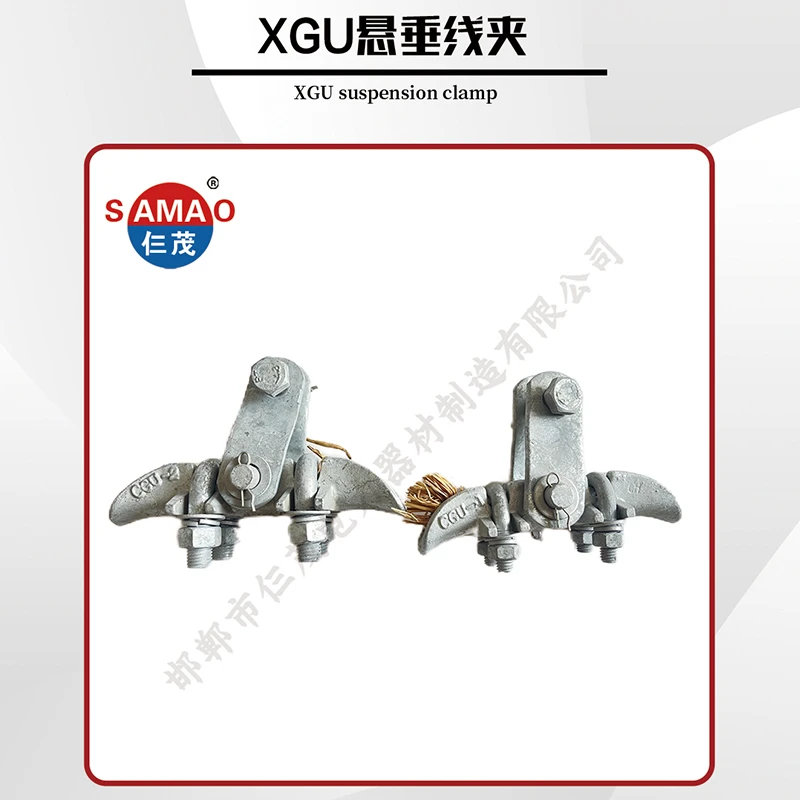
Suspension clamps are critical components in overhead line systems, designed to securely support conductors, optical ground wire (OPGW), and all-dielectric self-supporting (ADSS) cables from utility poles or transmission towers. Their primary function is to bear the vertical load of the cable while allowing a degree of movement to mitigate stress from wind, ice, and thermal expansion/contraction. The demand for robust and reliable wholesale suspension clamp solutions has significantly increased due to expanding infrastructure projects globally, particularly in renewable energy transmission and advanced telecommunications networks.
Industry trends indicate a continuous push towards lighter, stronger, and more corrosion-resistant materials, alongside designs that facilitate easier installation and longer service life. There's also a growing emphasis on environmentally friendly manufacturing processes and products compliant with stringent international standards. Innovations in material science, such as high-strength aluminum alloys and advanced steel treatments, are driving improvements in the performance and longevity of these essential hardware components.
Technical Deep Dive: Materials and Manufacturing Process
Manufacturing Process for Suspension Clamps
The production of a high-quality wholesale suspension clamp involves a meticulously controlled multi-stage process, ensuring durability, strength, and precise dimensional accuracy. This typically includes:
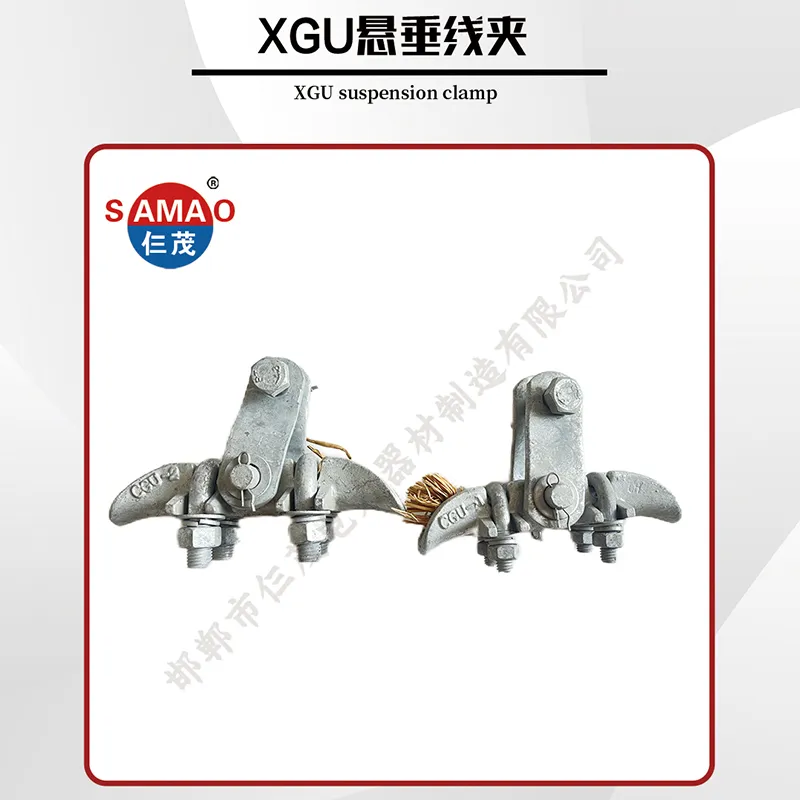
- Material Selection: Components are primarily manufactured from high-grade materials like malleable cast iron, ductile iron, aluminum alloy, or hot-dip galvanized steel. For specialized applications, stainless steel variants may be used for superior corrosion resistance. The choice of material is dictated by the required mechanical strength, environmental conditions, and cost-efficiency. For instance, a steel suspension clamp is often preferred for heavy-duty applications due to its inherent strength.
- Casting or Forging:
- Casting: Many clamp bodies are produced via sand casting or die casting for complex geometries, especially for malleable iron or aluminum alloys. This process ensures cost-effectiveness for mass production.
- Forging: For components requiring exceptional tensile strength and fatigue resistance, such as clevises or cotter pins, forging processes are employed. This refines the grain structure, enhancing mechanical properties.
- CNC Machining: Post-casting or forging, critical dimensions and surfaces are precision-machined using Computer Numerical Control (CNC) equipment. This ensures accurate bore diameters, surface finishes, and adherence to tight tolerances crucial for proper cable fit and load distribution.
- Surface Treatment: For steel and iron components, hot-dip galvanization is the standard surface treatment. This process, conforming to ASTM A153 or ISO 1461, provides a robust zinc coating that offers excellent long-term corrosion resistance, significantly extending the service life of the clamp in harsh environments. Aluminum clamps may undergo anodization for enhanced surface hardness and corrosion protection.
- Assembly: Individual components – body, keeper, bolts, nuts, washers, cotter pins – are assembled. Proper torqueing of bolts is critical to ensure the clamp maintains its integrity under load.
- Quality Control & Testing: Each batch undergoes rigorous testing. This includes dimensional checks, material composition verification, mechanical strength tests (e.g., ultimate tensile strength, slip strength), and galvanization thickness measurements. Testing standards like ISO 9001, ANSI C119.4, IEC 61284, or equivalent national standards are strictly followed to guarantee product performance and reliability.
The typical service life of a well-engineered and properly installed wholesale suspension clamp can exceed 30 years, depending on environmental exposure and the specific materials used. For example, hot-dip galvanized steel clamps in moderate environments can last for decades with minimal maintenance.
Core Specifications and Parameters
Understanding the technical specifications of wholesale suspension clamp products is crucial for proper selection and system integration. Key parameters include:
- Rated Mechanical Strength (RMS): The maximum load the clamp can withstand without permanent deformation or failure. Typically specified in kN.
- Conductor Diameter Range: The specific range of cable diameters that the clamp is designed to accommodate.
- Slip Strength: The minimum force required to cause the conductor to slip within the clamp. This is critical for preventing conductor damage and ensuring system integrity.
- Material Composition: Specifies the grade of material used (e.g., EN-GJS-400-15 ductile iron, A356-T6 aluminum alloy).
- Surface Finish: Details the galvanization thickness or other protective coatings.
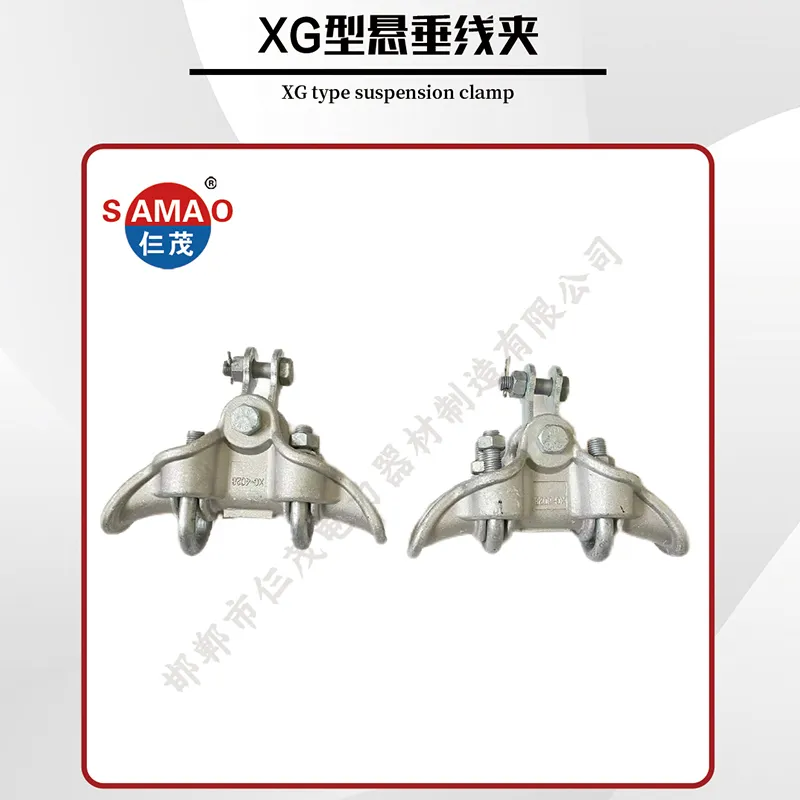
- Design Type: Such as standard single-suspension, double-suspension, or specialized types like a preformed suspension clamp, which uses helical rods for gentle cable gripping.
Typical Product Specification Table: Heavy Duty Suspension Clamp
| Parameter | Specification | Unit |
|---|---|---|
| Rated Mechanical Strength (RMS) | 70-120 | kN |
| Conductor Diameter Range | 15.0 - 45.0 | mm |
| Slip Strength (% of RMS) | 10-20% | % |
| Material (Body) | Ductile Iron (EN-GJS-400-15) | N/A |
| Surface Treatment | Hot-dip Galvanized (>86 µm) | µm |
| Standard Compliance | IEC 61284, ANSI C119.4 | N/A |
| Weight (Approx.) | 2.5 - 7.0 | kg |
These specifications ensure that the clamps are appropriately matched to the conductor types and the structural requirements of the overhead line system.
Application Scenarios and Target Industries
The versatility and robustness of wholesale suspension clamp solutions make them indispensable across a wide array of heavy industries and infrastructure projects. Their design, which facilitates the suspension of conductors, optical cables, or ground wires, is optimized for long-distance power transmission and communication lines.
- Power Transmission & Distribution: This is the primary sector. Suspension clamps are vital for supporting high-voltage power lines (e.g., 110kV, 220kV, 400kV, 750kV) on transmission towers and poles, ensuring reliable electricity delivery across vast distances. They are designed to manage the sag and tension of ACSR (Aluminum Conductor Steel Reinforced), AAAC (All Aluminum Alloy Conductor), and other conductor types.
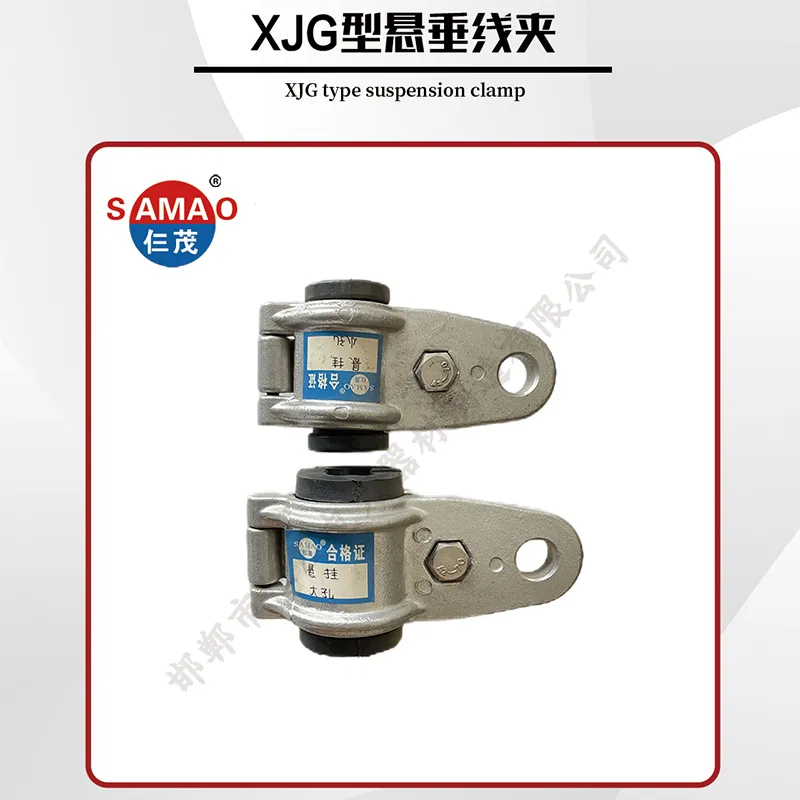
- Telecommunications Infrastructure: Used extensively for suspending ADSS (All-Dielectric Self-Supporting) and OPGW (Optical Ground Wire) cables, which integrate fiber optic communication within power transmission lines. Specialized designs like the preformed suspension clamp with elastomer inserts offer gentle, non-damaging grip crucial for delicate fiber optic cables.
- Railway Electrification: In electrified railway systems, suspension clamps support catenary wires and feeders, crucial for powering electric trains.
- Petrochemical Industry: While less direct for line suspension, robust clamping solutions are used in structural supports for piping and conduit systems that mimic overhead line stresses, requiring superior corrosion resistance due to exposure to aggressive chemical environments.
- Metallurgy Sector: Similar to petrochemical, clamps are used in infrastructure supporting heavy utility lines, conveying power to large-scale smelting and refining operations, demanding high load-bearing capacity and resilience to high temperatures.
- Water Supply & Drainage: For the support of large-diameter pipelines or conduits suspended across challenging terrains, though less common than power lines, the principles of heavy-duty suspension apply.
In these scenarios, advantages such as superior corrosion resistance from hot-dip galvanization (extending asset life in coastal or industrial areas) and energy-saving designs (by minimizing conductor abrasion and optimizing current flow) are paramount. For instance, the smooth contours of an angle suspension clamp minimize stress concentrations, enhancing conductor longevity.
Technical Advantages and Performance Benchmarks
Modern wholesale suspension clamp designs offer a multitude of technical advantages that contribute to the reliability and efficiency of overhead lines:
- Optimized Load Distribution: The geometry of suspension clamps is engineered to evenly distribute the static and dynamic loads across the conductor's surface, minimizing localized stress points that could lead to fatigue or damage.
- Enhanced Vibration Dampening: Many clamp designs incorporate features or are used in conjunction with vibration dampers (like Stockbridge dampers) to mitigate aeolian vibration and sub-span oscillation, which are common causes of conductor fatigue. Clamps with rounded edges and smooth surfaces further prevent wear.
- Superior Corrosion Resistance: As detailed, hot-dip galvanization meeting ISO 1461 standards provides a highly durable protective layer against environmental degradation, crucial for long-term outdoor exposure. Aluminum alloy clamps inherently offer excellent corrosion resistance.
- Durability and Longevity: Manufactured from robust materials like ductile iron or high-strength aluminum, and subjected to stringent quality controls, these clamps are built to withstand extreme weather conditions, UV radiation, and mechanical stresses for decades.
- Ease of Installation and Maintenance: Designs are evolving to reduce installation time and complexity, often featuring captive bolts or modular components. This translates to lower labor costs and improved field efficiency.
- Versatility: A single clamp series can often accommodate a range of conductor sizes, reducing inventory requirements for operators and suspension clamp suppliers.
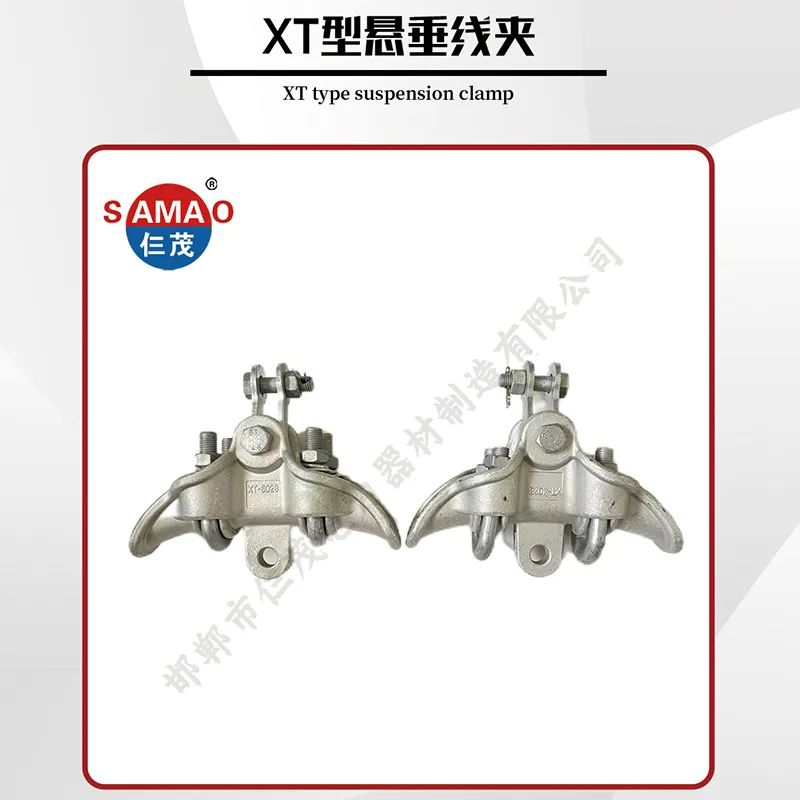
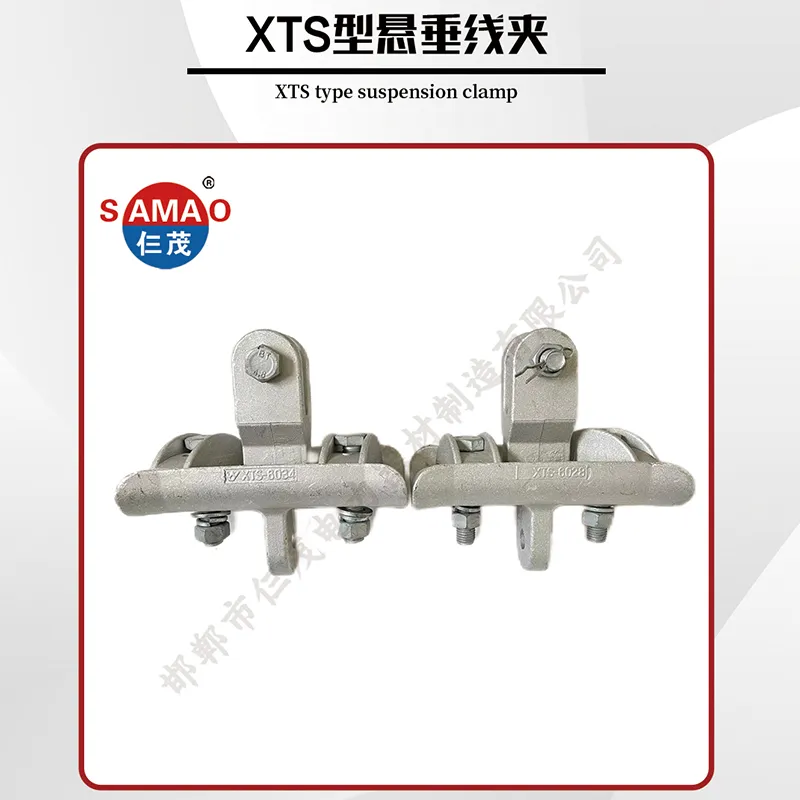
When comparing different types, for example, a standard clevis type steel suspension clamp offers robust, high-load support, while a preformed suspension clamp, often made from aluminum alloy, provides a gentler grip suitable for more sensitive conductors like ADSS cables, minimizing stress concentration and fatigue at the support point.
Vendor Comparison and Supplier Selection
Selecting the right suspension clamp suppliers is a critical decision for utility companies, contractors, and project developers. Key factors for evaluation extend beyond mere price to encompass product quality, technical support, and reliability.
Key Criteria for Supplier Evaluation:
- Certifications and Standards: Verify compliance with international standards such as ISO 9001 (Quality Management), ISO 14001 (Environmental Management), and specific product testing standards (e.g., IEC, ANSI, ASTM).
- Material Traceability: Reputable suppliers provide full traceability of raw materials, ensuring consistency and quality.
- Manufacturing Capabilities: Assess whether the supplier has modern manufacturing processes, including precision casting, forging, and CNC machining, as well as robust quality control protocols.
- Technical Support and R&D: A strong technical team capable of offering design assistance, product customization, and post-sales support is invaluable. Evidence of ongoing R&D indicates innovation and adaptability.
- Experience and Reputation: Look for suppliers with a proven track record, extensive years of service, and positive client testimonials or partnership clients in relevant industries.
- Lead Time and Logistics: The ability to meet delivery schedules and manage complex logistics for large-scale projects is essential for efficient project execution.
Comparison of Clamp Types by Material
| Feature | Ductile Iron Clamp (e.g., steel suspension clamp) | Aluminum Alloy Clamp (e.g., preformed suspension clamp) |
|---|---|---|
| Primary Material | Ductile Iron (EN-GJS-400-15) | Aluminum Alloy (A356-T6, Al-Si-Mg) |
| Corrosion Resistance | Excellent with Hot-Dip Galvanization | Excellent (Natural Passivation) |
| Weight | Heavier | Lighter |
| Tensile Strength | Very High | High (Good Strength-to-Weight Ratio) |
| Cost-Effectiveness | Generally Lower Initial Cost | Higher Initial Cost, Lower Installation Costs |
| Typical Application | High-voltage power lines, heavy loads | Fiber optic cables (ADSS/OPGW), lighter conductors, areas prioritizing weight reduction |
Customized Solutions and Project Tailoring
While standard wholesale suspension clamp products cater to a broad range of requirements, specific project parameters often necessitate customized solutions. Experienced manufacturers offer extensive customization capabilities to meet unique environmental, structural, and load-bearing challenges.
- Application-Specific Design: This includes modifying clamp body dimensions, groove profiles, or keeper designs to perfectly match non-standard conductor sizes or configurations.
- Material Specialization: For corrosive industrial atmospheres or extreme temperatures, specialized alloys (e.g., marine-grade aluminum, stainless steel) or advanced coatings can be specified.
- Enhanced Mechanical Performance: Adjustments can be made to increase RMS or slip strength beyond standard ratings for exceptionally heavy conductors or areas prone to high wind/ice loading.
- Integration with Accessories: Custom solutions may involve pre-assembly with specific hardware such as clevises, shackles, or insulators to streamline field installation. This is particularly relevant for complex assemblies involving multiple conductors or specialized communication cables.
- Environmental Adaptations: For regions with high seismic activity, clamps can be designed with improved flexibility and resilience. For highly polluted areas, additional anti-corrosion features are incorporated.
The ability to provide these bespoke solutions distinguishes a premier wholesale suspension clamp provider, demonstrating deep engineering expertise and a commitment to solving complex client challenges. Many projects, especially in remote or challenging terrains, rely heavily on such tailored approaches to ensure long-term system integrity.
Real-World Application Case Studies
Practical applications highlight the robust performance and reliability of high-quality wholesale suspension clamp products. These case studies demonstrate how well-engineered components contribute to the successful deployment and longevity of critical infrastructure.
Case Study 1: High-Voltage Transmission Line Expansion, North America
A major utility company undertook a 300km expansion of its 400kV transmission network across diverse terrain, including mountainous regions and agricultural plains. The project required steel suspension clamp units capable of handling substantial ice and wind loads, meeting ANSI C119.4 standards. The chosen supplier provided ductile iron clamps with a hot-dip galvanized finish, certified for an RMS of 100 kN. Post-installation, monitoring revealed minimal conductor slippage and excellent vibration dampening, even during extreme weather events. Customer feedback praised the ease of installation and the robust build quality, contributing to a project completion ahead of schedule and within budget, with estimated service life exceeding 40 years.
Case Study 2: Fiber Optic OPGW Deployment, Southeast Asia
A telecommunications provider implemented OPGW cables on existing power lines to extend broadband access to rural areas. This project demanded a gentle yet secure gripping mechanism to protect the sensitive fiber optic core. Customized preformed suspension clamp designs, featuring a high-quality aluminum alloy body and elastomeric inserts, were deployed. These clamps were designed to distribute pressure uniformly, preventing micro-bending loss in the optical fibers. The solution significantly reduced the total installed cost compared to underground cabling and demonstrated superior performance in tropical climates, with client reports confirming zero cable damage or performance degradation after three years of operation.
Case Study 3: Coastal Power Grid Reinforcement, Europe
In a coastal region highly susceptible to saline corrosion, a utility company required suspension hardware with exceptional environmental resilience. The solution involved specialized wholesale suspension clamp units manufactured from marine-grade aluminum alloy with an additional anodized coating, coupled with stainless steel fasteners. These clamps were tested to withstand continuous salt spray for over 2,000 hours without degradation, far exceeding standard requirements. This proactive material selection and customization ensured the long-term integrity of the power lines in an aggressive environment, significantly reducing future maintenance costs and enhancing grid reliability.
Trust and Support: FAQ, Lead Times, Warranty, and Customer Service
Establishing trust is paramount in B2B relationships. A reputable wholesale suspension clamp supplier provides transparent information regarding product support, delivery, and guarantees.
Frequently Asked Questions (FAQ)
- Q: What is the typical lead time for large orders of suspension clamps?
A: For standard products, lead times typically range from 4-6 weeks for manufacturing and shipping, depending on order volume. Customized solutions may require an additional 2-4 weeks for design and prototyping. Expedited options are available upon request. - Q: What warranty do you offer on your suspension clamps?
A: We offer a standard 5-year warranty against manufacturing defects and material failures under normal operating conditions. Extended warranty options are available for specific project requirements. - Q: Are your products certified to international standards?
A: Yes, all our products comply with relevant international standards such as IEC 61284, ANSI C119.4, and ISO 1461 for galvanization. Our manufacturing facilities are ISO 9001 certified. Test reports and certificates are available upon request. - Q: Can you provide technical assistance for product selection or custom designs?
A: Absolutely. Our team of experienced engineers offers comprehensive technical support, from initial product selection and system design consultation to custom solution development and post-installation advice.
Lead Time and Fulfillment
We maintain an optimized supply chain and robust production capabilities to ensure timely fulfillment. Standard orders are processed and shipped within 4-6 weeks, with detailed production schedules provided at order confirmation. For critical projects, our logistics team can coordinate with clients for just-in-time delivery or specialized shipping arrangements.
Warranty Commitments
Our commitment to quality is backed by a comprehensive 5-year warranty on all wholesale suspension clamp products, covering any defects in materials or workmanship. This warranty underscores our confidence in the durability and reliability of our engineering and manufacturing processes. Full warranty terms and conditions are available upon request.
Customer Support
Our dedicated customer support team is available to assist with inquiries, order tracking, technical issues, and after-sales service. We pride ourselves on responsive communication and problem-solving, ensuring our clients receive the highest level of service throughout their project lifecycle. Contact information for support channels will be provided with every order.
Conclusion
The selection and deployment of high-quality wholesale suspension clamp solutions are fundamental to the integrity and longevity of overhead line infrastructure. From robust material selection and precision manufacturing to stringent testing and comprehensive after-sales support, every aspect contributes to the reliable operation of power transmission and telecommunication networks. As infrastructure demands continue to evolve, the emphasis on technically superior, durable, and customizable suspension clamp solutions will only grow, underscoring their critical role in global connectivity and energy delivery.
Authoritative References
- International Electrotechnical Commission (IEC) Standard 61284: Overhead lines – Requirements and tests for fittings for conductors and earth-wires.
- American National Standards Institute (ANSI) Standard C119.4: Connectors for electric power distribution lines.
- ISO 1461: Hot-dip galvanized coatings on fabricated iron and steel articles – Specifications and test methods.
- ASTM A153/A153M: Standard Specification for Zinc Coating (Hot-Dip) on Iron and Steel Hardware.
- Electric Power Research Institute (EPRI) reports on overhead line hardware performance and conductor fatigue.
-
Laundry Efficiency Guide with pengapit ampaian dengan cangkuk iNewsApr.16,2026
-
Optimizing Power Infrastructure with the pengapit ampaian tnbNewsApr.09,2026
-
Comprehensive Guide to Selecting the Right pengapit penggantungan untuk kabel lt ab SolutionsNewsApr.07,2026
-
Comprehensive Guide to Pengapit Talian Penghantaran for Secure Package DeliveryNewsApr.04,2026
-
Comprehensive Guide to Pemasangan Pengapit Penggantungan for Overhead Cabling SystemsNewsMar.31,2026
-
Comprehensive Guide to Pengapit Ampaian yang Telah Dibentuk for Construction SafetyNewsMar.28,2026
-
Comprehensive Guide to Pengapit Ampaian Besi for Scaffolding SafetyNewsMar.26,2026