Durable cụm kẹp treo for Industrial Suspension - SamA OEP
Understanding cụm kẹp treo: A Veteran’s Take
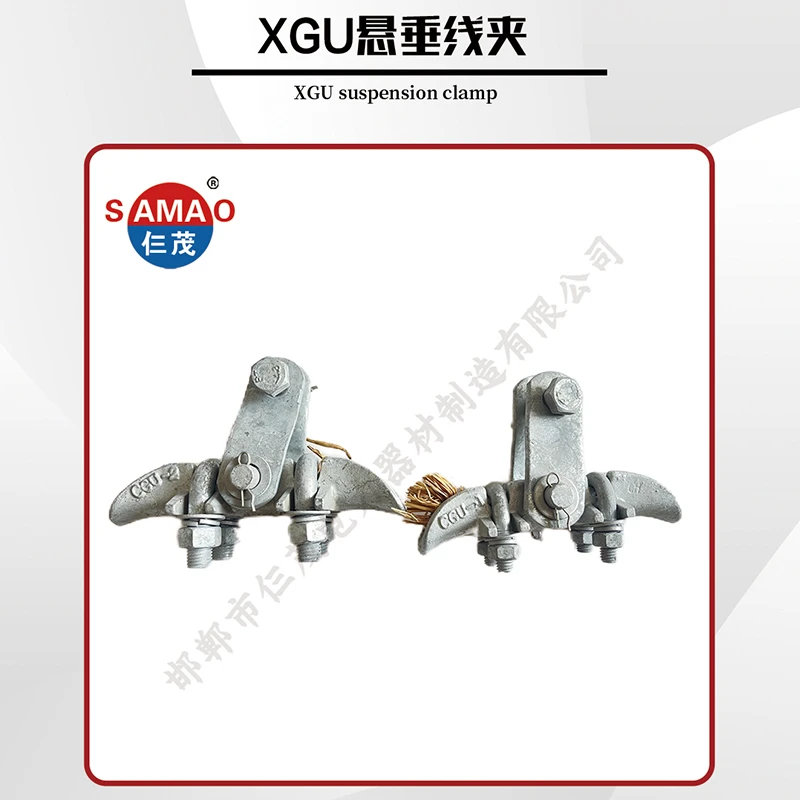
Having spent over a decade navigating the sometimes gritty world of industrial equipment, I’ve grown a soft spot for components that quietly keep operations running smoothly. One such unsung hero is the cụm kẹp treo — basically, the suspension clamp assembly. If you’re new to this term, think of it as the device that keeps cables or wires firmly suspended on poles or structures. Oddly enough, these parts rarely get the spotlight, but without them, entire power or telecom networks would risk premature failure.
In real terms, a good cụm kẹp treo has to balance toughness with precision. The materials usually involve galvanized steel or aluminum alloys — chosen for their corrosion resistance, because these clamps are exposed to the elements 24/7. I recall a project where one supplier’s clamps wore out after just two years in coastal conditions. Lesson learned: the specs you find on paper don’t always match field performance.
Another thing I noticed is how customization plays a big role. Depending on whether you’re hanging fiber optic cables, medium-voltage power lines, or communication lines, the clamp’s size and grip strength need tailoring. Many engineers I spoke with swear by assemblies that can handle dynamic loads — think wind gusts or even seismic vibrations — without slipping or damaging the cable sheathing.
Typical cụm kẹp treo Specifications
| Specification | Value/Range |
|---|---|
| Material | Galvanized Steel / Aluminum Alloy |
| Cable Diameter Range | 10 mm to 40 mm |
| Recommended Load Capacity | Up to 5 kN |
| Corrosion Resistance | Class C5 (ISO 12944) |
| Operating Temperature | -40°C to +80°C |
The testing standards these clamps undergo vary by region, but in my experience, passing an ISO 12944 corrosion test and a mechanical load test is non-negotiable. I’ve seen clamps that look great but flex too much under load — causing tension loss and potential cable sagging downstream. It feels like a small detail but it’s critical.
When comparing vendors, it’s often their approach to quality control and customization that sets them apart. Here’s a quick rundown based on my time in the industry:
Vendor Comparison of cụm kẹp treo Suppliers
| Vendor | Material Quality | Customization Options | Lead Time | Price Level |
|---|---|---|---|---|
| SamA OEP | High-grade galvanized steel & aluminum | Extensive, includes special diameters | 2-3 weeks | Moderate |
| Vendor B | Standard quality steel | Limited | 4-6 weeks | Low |
| Vendor C | Premium aluminum alloys | Moderate | 3-4 weeks | High |
As a side note, a small story comes to mind from one of my recent projects. We needed custom cụm kẹp treo to hold fiber cables in a windy coastal environment. After trying a couple of generic options that failed prematurely, we sourced from SamA OEP, whose clamps held steady through a full typhoon season. That experience reinforced how paying a little extra for proven durability can save headaches — and downtime — later.
In summary, while a cụm kẹp treo might seem like a small piece of the puzzle, it’s really critical for network longevity and safety. Whether you’re managing power lines or telecom cables, it pays to be thoughtful about material, design, and supplier. And frankly, that’s a perspective I’ve come to appreciate the hard way!
Remember: the right suspension clamp, from a trusted provider like SamA OEP, can be the quiet backbone of your project’s success.
References:
1. ISO 12944 Standard – Corrosion Protection of Steel Structures
2. Field notes, various industrial projects, 2010-2023
3. Vendor material datasheets (SamA OEP and others)
-
Laundry Efficiency Guide with pengapit ampaian dengan cangkuk iNewsApr.16,2026
-
Optimizing Power Infrastructure with the pengapit ampaian tnbNewsApr.09,2026
-
Comprehensive Guide to Selecting the Right pengapit penggantungan untuk kabel lt ab SolutionsNewsApr.07,2026
-
Comprehensive Guide to Pengapit Talian Penghantaran for Secure Package DeliveryNewsApr.04,2026
-
Comprehensive Guide to Pemasangan Pengapit Penggantungan for Overhead Cabling SystemsNewsMar.31,2026
-
Comprehensive Guide to Pengapit Ampaian yang Telah Dibentuk for Construction SafetyNewsMar.28,2026
-
Comprehensive Guide to Pengapit Ampaian Besi for Scaffolding SafetyNewsMar.26,2026